
 Oil On CanvasWallArtBarbizon School
 24.0 x 46.0 cm
 피츠윌리엄 칼리지
빠른 제작과 다양한 마감 옵션을 제공하는 박물관 품질의 지클레이 또는 캔버스 프린트. ( 손으로 그린 그림 구매 디지털 이미지로 전환)





























작품의 원본 비율을 유지하는 미리 설정된 크기 중에서 선택하세요.

특정 프레임이나 공간에 맞춰 직접 치수를 입력하실 수 있습니다. 선택하신 사이즈가 원본 이미지의 비율과 일치하지 않을 경우, 작품을 크롭(자르기)하거나 이미지를 대칭 또는 단색 채우기로 확장하여 제작합니다. 제작 시작 전, 최종 확인을 위해 디지털 목업이 전송됩니다.
화면상의 미리보기는 실제 크롭이나 확장 상태를 반영하지 않으므로, 최종 구도는 오직 목업을 통해서만 정확하게 확인하실 수 있습니다.
맞춤 사이즈 제작도 가능하지만, 원본 비율을 유지하기 위해서는 사전 정의된 목록에서 치수를 선택하시는 것을 권장합니다.

On the River Oise
복제본 크기
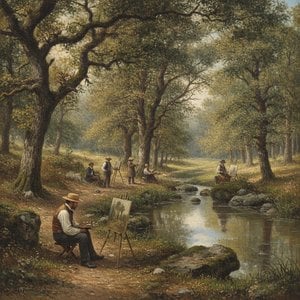
Charles-François Daubigny's "On the River Oise," painted in 1863, isn’t merely a landscape; it’s an immersion into a fleeting moment of serene beauty. This captivating work, now residing within the Reading Public Museum, offers a glimpse into the heart of the Barbizon school and the burgeoning Impressionist movement—a testament to Daubigny's pioneering approach to capturing the essence of nature through light and atmosphere. The painting immediately draws the viewer in with its soft, diffused light, reminiscent of a hazy summer afternoon, and invites contemplation of the river’s gentle flow.
Daubigny, born in Paris in 1817, was a pivotal figure bridging the gap between academic tradition and the revolutionary techniques of his contemporaries. Initially trained under Paul Delaroche, he quickly rejected the rigid formality of classical painting, embarking on a journey to paint directly from nature—a radical shift at the time. His decision to relocate to Auvers-sur-Oise in 1860 marked a turning point, allowing him to spend countless hours observing and documenting the river’s ever-changing moods. This intimate connection with his subject matter is palpable in “On the River Oise,” where every brushstroke seems imbued with a deep understanding of the landscape.
The painting's style exemplifies atmospheric impressionism, a technique championed by Daubigny and others who sought to capture not just the appearance of a scene but its very feeling. He employed loose, visible brushstrokes—a hallmark of the Barbizon school—to render the water’s surface with shimmering reflections and subtle gradations of color. Notice how he avoids sharp outlines, instead blending hues seamlessly to create an illusion of depth and movement. The distant mountains are rendered in muted blues and purples, while the foreground is bathed in a warmer, golden light, drawing the eye into the heart of the composition.
Daubigny’s masterful use of color is particularly noteworthy. He doesn't rely on precise representation but rather on capturing the *impression* of color—the way it shifts and changes with the interplay of light and shadow. The dominant palette consists of greens, blues, and browns, creating a harmonious and calming effect. The subtle variations in tone – from the vibrant greens of the riverbank to the hazy blues of the distant hills – contribute significantly to the painting’s overall sense of tranquility.
Beyond its technical brilliance, “On the River Oise” is rich in symbolic meaning. The washerwoman kneeling by the water's edge—a recurring motif in Daubigny’s work—represents a connection to everyday life and the rhythms of nature. Her presence adds a touch of human warmth to the otherwise serene landscape, reminding us of our own place within the natural world. The river itself symbolizes fluidity, change, and the passage of time – themes that resonate deeply with the Impressionist sensibility.
Furthermore, the painting evokes a profound sense of peace and contemplation. The stillness of the water, the muted colors, and the absence of any dramatic elements create an atmosphere of quiet beauty—a refuge from the hustle and bustle of modern life. It’s a scene that invites us to slow down, breathe deeply, and appreciate the simple pleasures of nature. “On the River Oise” is more than just a painting; it's an invitation to experience a moment of profound serenity.
Charles-François Daubigny’s "On the River Oise" stands as a pivotal work in the transition from academic art to the Impressionist movement. His dedication to painting *en plein air*, his innovative use of color, and his ability to capture the fleeting effects of light have left an enduring legacy on generations of artists. Reproductions of this stunning piece offer a remarkable opportunity to bring its tranquil beauty into any interior space, fostering a sense of calm and connection with the natural world—a timeless reminder of Daubigny’s profound understanding of light, color, and the human spirit.


1817 - 1878 , 프랑스
Explore the profound impact of the Barbizon School on landscape painting. Discover how masters like Rousseau and Corot revolutionized art through plein air naturalism, moving from academic idealism to the authentic beauty of the French countryside.

Explore the rich history of rivers in painting! Discover masterpieces from ancient times to Impressionism & beyond. Learn about symbolism, artists like Monet & Daubigny, and find your perfect serene artwork at WahooArt.

Explore the rich history of landscape art with WahooArt. Discover renowned artists, movements like Impressionism & tonalism, and expert guidance for collecting timeless pieces. Find your perfect serene escape today!

Explore the life & art of Charles-François Daubigny, a pivotal Barbizon School painter. Discover his innovative landscapes, mastery of light, and influence on Impressionism. High-quality reproductions available.

Explore the captivating world of 19th-century landscape painting! Discover renowned artists like Friedrich & Monet, key movements, and find the perfect artwork to bring nature's serenity into your home. Expert insights at WahooArt.


 미리보기
미리보기
 공유하기
공유하기 공유하기
공유하기
 상세 정보
상세 정보 가이드 보기

 다운로드
다운로드
 유사 작품
유사 작품 X-레이
X-레이 슬라이드 쇼
 통계 정보
통계 정보 더 보기
더 보기









 유리 옵션은 110cm 미만 크기에서만 선택 가능합니다.


