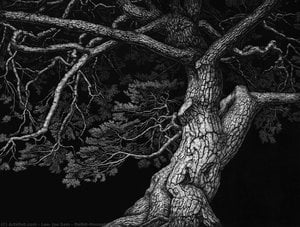
이 페이지에 표시된 작품은 저작권법의 보호를 받으며, 이에 따라 동일한 복제품을 제작하거나 판매하는 것은 법으로 금지되어 있습니다. 이러한 권리 보호는 다음과 같은 국제 협약에 따라 시행됩니다. 베른 협약 또한 다음에서 명시하는 법률을 포함한 국내법에 의해 보호됩니다. 미국 저작권법 제17조.
이 방식은 저작권 보호를 받는 예술 작품을 복제하거나 그대로 재현하는 것이 아니기에 저작권 규정을 완벽히 준수합니다. 대신, 이는 창의적인 재해석의 과정을 거칩니다. 즉, 원작에서 영감을 받되 원작과 동일하지 않은 새로운 회화 작품을 의미합니다.
빠른 제작과 다양한 마감 옵션을 선택할 수 있는 박물관 수준의 지클레이 및 캔버스 프린트. ( 수작업 채색 복제본 주문하기 디지털 이미지 판매 채널로 전환)
작품의 원본 비율을 그대로 유지하는 프리셋 사이즈 중에서 선택해 보세요.

액자나 벽면 크기에 맞춰 필요한 가로와 세로 길이를 입력해 주세요. 프린트는 원본 이미지보다 크게 제작할 수 없으며 오직 자르는 것만 가능하므로, 비율이 다른 사이즈를 선택할 경우 이미지의 일부가 잘려 나갈 수 있습니다. 인쇄 작업에 들어가기 전, 최종 확인을 위해 디지털 목업을 보내드립니다. 이 페이지에 표시된 이미지는 실제 잘리는 영역을 나타내지 않으며, 오직 목업을 통해서만 정확한 확인이 가능합니다.
tree
복제본 규격

Born in Hefei, China, in 1992, Chaokun Wang emerged as a compelling voice within the contemporary digital art landscape. While biographical details remain somewhat elusive—a characteristic often found amongst artists prioritizing the work itself over personal narrative—Wang’s artistic trajectory reveals a profound connection to nature and an innovative approach to visual storytelling. His formative years in Hefei, a city steeped in both ancient history and modern development, likely instilled within him a sensitivity to the interplay between tradition and change, a theme that subtly permeates his creations.
Wang's work is immediately recognizable for its serene beauty and evocative power. He doesn’t depict nature as a pristine wilderness untouched by human influence, but rather explores the delicate balance between natural forms and the subtle marks of existence. His digital paintings often feature motifs like bamboo forests shrouded in mist, ethereal cloudscapes, and expanses of sand—elements that carry deep cultural resonance within Chinese art history. However, Wang’s approach isn't one of simple replication; he utilizes digital tools to create a dreamlike quality, blurring the lines between realism and impressionism.
While pinpointing specific artistic influences is challenging without direct statements from the artist, it’s possible to discern echoes of traditional Chinese landscape painting—particularly *shan shui* (mountain-water) painting—in Wang's compositions. The emphasis on atmosphere, the use of negative space, and the suggestion of vastness all point towards this lineage. However, Wang diverges significantly by employing a digital medium, allowing for unique textures, lighting effects, and a sense of fluidity that would be difficult to achieve with traditional brushes and ink. His work also hints at an appreciation for contemporary photography, particularly in its ability to capture fleeting moments and evoke emotional responses.
Recurring themes within Wang’s oeuvre include solitude, contemplation, and the ephemeral nature of beauty. The bamboo forests, often depicted in shades of green and grey, symbolize resilience, strength, and adaptability—qualities valued in Chinese culture for centuries. Clouds, frequently rendered as swirling masses of light and shadow, represent transience and the ever-changing flow of time. The sandscapes evoke a sense of vastness and emptiness, prompting viewers to reflect on their place within the universe. Night, one of his notable works, exemplifies this exploration of mood and atmosphere, using stark contrasts to create a hauntingly beautiful image that invites introspection.
Chaokun Wang’s work occupies an interesting space within the contemporary art world. He bridges the gap between traditional Chinese aesthetics and modern digital techniques, offering a fresh perspective on age-old themes. His success demonstrates a growing appreciation for artists who can seamlessly blend cultural heritage with innovative technology. While his career is still unfolding, Wang’s evocative landscapes and nature scenes have already garnered attention from collectors and art enthusiasts alike, establishing him as a rising star in the Chinese contemporary art scene. His ability to create serene and thought-provoking images resonates deeply with audiences seeking moments of tranquility and contemplation in an increasingly fast-paced world.

1992 - , China

 실제 크기로 보기
 보내기
보내기 공유하기
공유하기
 상세 보기
상세 보기 가이드 보기

 이미지 다운로드
 유사 작품 더 보기
 X-레이
X-레이 슬라이드 쇼 보기
 통계 정보
통계 정보
 상세 보기
상세 보기






































 유리 옵션은 110cm 미만 크기에서만 선택 가능합니다.