


 WatercolorWallArtRomantic Landscape
 179719th Century
 167.0 x 217.0 cm
 함부르크 미술관
빠른 제작과 다양한 마감 옵션을 제공하는 박물관 품질의 지클레이 또는 캔버스 프린트. ( 손으로 그린 그림 구매 이미지 구매)





























작품의 원본 비율을 유지하는 미리 설정된 크기 중에서 선택하세요.

특정 프레임이나 공간에 맞춰 직접 치수를 입력하실 수 있습니다. 선택하신 사이즈가 원본 이미지의 비율과 일치하지 않을 경우, 작품을 크롭(자르기)하거나 이미지를 대칭 또는 단색 채우기로 확장하여 제작합니다. 제작 시작 전, 최종 확인을 위해 디지털 목업이 전송됩니다.
화면상의 미리보기는 실제 크롭이나 확장 상태를 반영하지 않으므로, 최종 구도는 오직 목업을 통해서만 정확하게 확인하실 수 있습니다.
맞춤 사이즈 제작도 가능하지만, 원본 비율을 유지하기 위해서는 사전 정의된 목록에서 치수를 선택하시는 것을 권장합니다.

Landscape with Pavilion
복제본 크기
In the quietude of Caspar David Friedrich's "Landscape with Pavilion," painted in 1797, we encounter more than a mere depiction of nature; we step into a profound meditation on solitude and the sublime. As one of the most evocative works from the German Romantic era, this piece captures a pivotal moment in art history when the rationalism of the Enlightenment began to yield to the raw, unbridled power of emotion and imagination. The composition invites the viewer to wander through a meticulously crafted tableau where a small, elegant pavilion sits nestled amongst dense, dark coniferous trees, acting as a silent sentinel within the vastness. This architectural element provides a focal point for our gaze, yet it serves primarily to emphasize the overwhelming scale of the surrounding wilderness. Scattered throughout the foreground, sheep graze with a peaceful, pastoral innocence, their presence adding a layer of tranquil life that contrasts beautifully with the deeper, more mysterious shadows of the forest.
The technical mastery displayed in this work is nothing short of breathtaking, making it an exquisite choice for those who appreciate the nuances of classical technique. Friedrich employs a masterful use of atmospheric perspective, creating a sense of infinite depth that draws the eye toward the horizon. His palette is intentionally muted, dominated by earthy browns, deep forest greens, and ethereal blues—colors selected not merely for their representational accuracy, but for their ability to evoke a specific, melancholic mood. Through the delicate application of glazing techniques, layering thin, translucent washes of color over textured surfaces, Friedrich achieves a luminous quality. This allows light to seem as though it is emanating from within the landscape itself, capturing the subtle, shifting nuances of light and shadow that define a truly living environment.
To gaze upon this painting is to engage with the philosophical heart of Romanticism. Friedrich was deeply influenced by the concept of the Sublime—the feeling of awe mixed with a hint of terror when confronted with the grandeur of the natural world. The pavilion, while a man-made structure, does not dominate the landscape; rather, it is absorbed by it, symbolizing humanity's humble place within the divine order of nature. This tension between the civilized and the wild is a central theme that resonates deeply with modern viewers. For the collector or interior designer, this piece offers a profound emotional anchor, providing a sense of stillness and introspection that can transform the atmosphere of any room.
The historical context of the work further enriches its meaning. Created during a period when Friedrich was honing his skills in Copenhagen, the painting reflects the influence of the English landscape garden movement, which sought to create "natural" yet highly emotional vistas. Every element—from the sturdy fence separating the sheep to the distant, misty trees—is a carefully placed symbol of life's transience and the enduring beauty of the earth. Whether displayed in a grand gallery or as a centerpiece in a sophisticated contemporary home, "Landscape with Pavilion" serves as a timeless reminder of our spiritual connection to the world around us, offering an unparalleled sense of peace and contemplative beauty.

1774 - 1840 , 독일

제임스 애벗 맥닐 휘슬러의 최고 걸작 25선을 만나보세요. 야간 풍경부터 아랑미술관 소장품까지, 예술가의 삶과 작품 세계를 탐험합니다. 색채와 분위기가 완벽한 조화를 이루는 그림들을 WahooArt.com에서 감상하고 특별한 공간을 완성하세요.
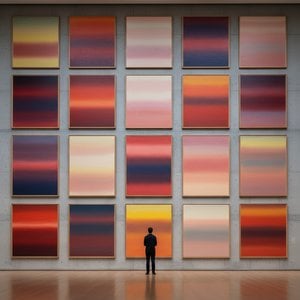
마크 로스코 최고작 25선을 만나보세요. 추상 표현주의 거장의 색채로 표현된 심오한 감정과 예술의 세계를 탐험하고, WahooArt에서 명화 복제본과 특별한 인테리어 아이디어를 찾아보세요. 지금 바로 컬렉션을 확인하세요!
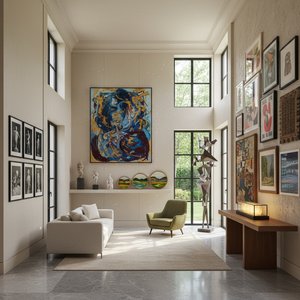
베니스 비엔날레 최고 명작 25선을 만나보세요. 유명 화가들의 숨겨진 이야기와 추상화, 모던 아트 등 예술 작품의 깊이를 탐구합니다. WahooArt에서 고품질 미술 컬렉션을 감상하고 특별한 인테리어를 완성하세요! 지금 바로 온라인으로 둘러보기.

폴 세잔의 시대를 초월하는 명작 25점을 만나보세요. 인상주의를 넘어 후기 인상주의를 개척한 화가의 예술 세계와 정물화, 풍경화 속 숨겨진 이야기를 WahooArt에서 감상하세요. 고품질 아트 프린트와 캔버스 액자로 공간에 예술을 더해보세요! 지금 바로 컬렉션을 탐험하세요.
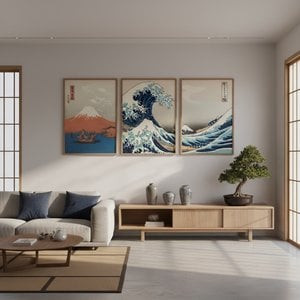
가츠시카 호쿠사이의 최고 걸작 25선을 만나보세요. 우키요에, 대판화 기법과 후지산 풍경의 아름다움을 담은 명작들을 감상하고, WahooArt에서 고품질 아트 프린트와 인테리어 액자를 찾아보세요. 지금 바로 컬렉션을 탐험하세요!


 미리보기
미리보기
 공유하기
공유하기 공유하기
공유하기
 상세 정보
상세 정보

 다운로드
다운로드
 유사 작품
유사 작품 X-레이
X-레이 슬라이드 쇼
 더 보기
더 보기









 유리 옵션은 110cm 미만 크기에서만 선택 가능합니다.


