
 Acrylic On CanvasWallArt
 1598
1598 54.0 x 48.0 cm
 메트로폴리탄 미술관
빠른 제작과 다양한 마감 옵션을 제공하는 박물관 품질의 지클레이 또는 캔버스 프린트. ( 손으로 그린 그림 구매 디지털 이미지로 전환)





























작품의 원본 비율을 유지하는 미리 설정된 크기 중에서 선택하세요.

특정 프레임이나 공간에 맞춰 직접 치수를 입력하실 수 있습니다. 선택하신 사이즈가 원본 이미지의 비율과 일치하지 않을 경우, 작품을 크롭(자르기)하거나 이미지를 대칭 또는 단색 채우기로 확장하여 제작합니다. 제작 시작 전, 최종 확인을 위해 디지털 목업이 전송됩니다.
화면상의 미리보기는 실제 크롭이나 확장 상태를 반영하지 않으므로, 최종 구도는 오직 목업을 통해서만 정확하게 확인하실 수 있습니다.
맞춤 사이즈 제작도 가능하지만, 원본 비율을 유지하기 위해서는 사전 정의된 목록에서 치수를 선택하시는 것을 권장합니다.

Paradise
복제본 크기
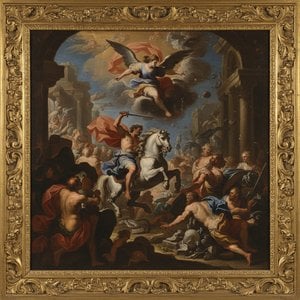
Carlo Saraceni’s “Paradise,” painted circa 1598, stands as a testament to the burgeoning artistic fervor of Venice during its golden age—a period marked by unprecedented patronage and innovation. Immediately responding to Francesco Bassano’s ambitious altarpiece depicting the same subject at the Gesù in Rome, Saraceni deftly captured the spirit of Venetian artistic tradition while simultaneously embracing the stylistic advancements originating from northern Europe.
Saraceni's vision is profoundly shaped by the pioneering landscapes of Adam Elsheimer, whose meticulous attention to detail and use of copper—a medium favored for its ability to render complex forms at a small scale—established a precedent that would reverberate throughout Baroque painting. Simultaneously, Saraceni absorbed Caravaggio’s revolutionary techniques of tenebrism – dramatic chiaroscuro – injecting into his work the visceral energy and psychological depth characteristic of Caravaggio's masterpieces.
The painting depicts a serene religious scene centered around Jesus Christ and Mary Magdalene, enveloped in an ethereal glow emanating from the upper portion. Below, a congregation gathers before a monumental stone, symbolizing divine authority and contemplation. The inclusion of figures like Saint John the Baptist—holding a flag representing victory—adds layers of symbolism to the composition.
Beyond its immediate depiction of biblical figures, “Paradise” embodies broader symbolic representations of faith and redemption. The carefully orchestrated arrangement of elements—the radiant glory surrounding the Trinity, the positioning of saints and angels—creates a harmonious visual experience designed to inspire reverence and devotion. Saraceni’s masterful use of color and light contributes significantly to conveying this emotional resonance.
The painting's provenance remains unknown, but it is believed to have been commissioned by an aristocratic patron—likely portrayed as the man gazing out from the lower left corner. Saraceni’s “Paradise” exemplifies the Venetian Baroque style at its finest, securing his place among the foremost artists of the era and influencing generations of painters who followed.
Further research into Saraceni’s oeuvre reveals his exploration of landscape painting and his masterful assimilation of Caravaggio's tenebristic style. His contribution to Venetian Baroque art continues to inspire admiration and scholarly inquiry.


1579 - 1620 , 이탈리아
Explore the breathtaking power of Baroque art. Delve into the dramatic interplay of light, shadow, and motion through the works of masters like Caravaggio. Discover how the era's intense emotional realism continues to inspire collectors and connoisseurs of classical grandeur.

Explore the profound impact of Tenebrism in Baroque art. Discover how masters like Caravaggio used dramatic shadows to evoke emotion, and learn the technical secrets behind this captivating style of light and darkness.

Discover the profound emotional power of Baroque painting. Explore the mastery of chiaroscuro, the realism of Caravaggio, and the dramatic interplay of light and shadow in this expert guide for classical art enthusiasts and collectors.

Explore the profound mastery of Caravaggio's tenebrism. Discover how his dramatic use of chiaroscuro revolutionized Baroque art through intense emotion and realism. An expert guide for classic art enthusiasts seeking to understand the power of shadow in historical masterpieces.

Embark on a sophisticated journey through Italian Baroque art. Discover the dramatic interplay of light and emotion in Caravaggio’s masterpieces and explore how to bring this timeless grandeur into your collection with expert art insights.


 미리보기
미리보기
 공유하기
공유하기 공유하기
공유하기
 상세 정보
상세 정보

 다운로드
다운로드
 유사 작품
유사 작품 X-레이
X-레이 슬라이드 쇼
 통계 정보
통계 정보 더 보기
더 보기









 유리 옵션은 110cm 미만 크기에서만 선택 가능합니다.


