

빠른 제작과 다양한 마감 옵션을 선택할 수 있는 박물관 수준의 지클레이 및 캔버스 프린트. ( 수작업 채색 복제본 주문하기 디지털 이미지 판매 채널로 전환)





























작품의 원본 비율을 그대로 유지하는 프리셋 사이즈 중에서 선택해 보세요.

특정 프레임이나 공간에 맞춰 직접 치수를 입력하실 수 있습니다. 선택하신 사이즈가 원본 이미지의 비율과 일치하지 않을 경우, 작품을 크롭(자르기)하거나 이미지를 대칭 또는 단색 채우기로 확장하여 제작합니다. 제작 시작 전, 최종 확인을 위해 디지털 목업이 전송됩니다.
화면상의 미리보기는 실제 크롭이나 확장 상태를 반영하지 않으므로, 최종 구도는 오직 목업을 통해서만 정확하게 확인하실 수 있습니다.
맞춤 사이즈 제작도 가능하지만, 원본 비율을 유지하기 위해서는 사전 정의된 목록에서 치수를 선택하시는 것을 권장합니다.
André Le Nôtre
복제본 규격
André Le Nôtre’s portrait, painted in 1681 by Carlo Maratta, offers a glimpse into the mind of a man who fundamentally reshaped the landscape of Europe. More than simply a gardener, Le Nôtre was the “King of Gardeners,” Controller General of Buildings, Arts and Manufactures for France, and, crucially, Gardener to the King – a position that afforded him unparalleled influence over the aesthetic sensibilities of his era. The painting itself is a study in restrained elegance; a man of considerable age, yet radiating an aura of quiet authority and intellectual depth. Maratta’s masterful use of light and shadow emphasizes Le Nôtre's dignified presence, while the subtle details – the meticulously arranged books, the gesture of his hand – hint at the profound knowledge and considered artistry that underpinned his remarkable achievements.
Born in Paris in 1613, Le Nôtre’s early life was steeped in the world of horticulture. His father, Jean Le Nôtre, oversaw the gardens of the Tuileries Palace, providing young André with a foundational understanding of plant selection, design principles, and the practicalities of garden management. However, it wasn't merely experience that shaped him; Le Nôtre’s artistic training under Andrea Sacchi, a key figure in the Roman Baroque movement, instilled within him a deep appreciation for classical forms, perspective, and the harmonious balance between nature and architecture. This grounding in classical ideals would prove crucial as he embarked on his most ambitious project: transforming the sprawling grounds of Versailles into a breathtaking demonstration of French garden design.
Prior to Le Nôtre’s intervention, Versailles was a collection of disparate spaces, largely dictated by the needs of hunting and defense. It was Le Nôtre who conceived of a unified landscape – a meticulously planned series of geometric parterres, flowing water features, strategically placed groves of trees, and grand vistas designed to impress and inspire awe. His approach wasn’t simply about creating beautiful gardens; it was about crafting an illusion of infinite space, utilizing techniques like forced perspective and carefully calibrated scale to manipulate the viewer's perception. The vastness of the grounds, achieved through a masterful orchestration of elements, mirrored the power and grandeur of the French monarchy.
The influence of Italian Renaissance garden design is undeniable in Le Nôtre’s work, particularly the gardens of Villa Aldobrandini at Tivoli, which he likely studied extensively. However, Le Nôtre adapted these principles to suit the specific climate and topography of France, creating a distinctly “French Garden” characterized by its formal symmetry, clipped hedges, gravel paths, and an emphasis on water as a unifying element. The carefully controlled chaos – the seemingly random arrangement of plants within defined geometric patterns – created a sense of both order and natural beauty.
The inclusion of books in the portrait is particularly significant. Le Nôtre was not merely a craftsman; he was a scholar, deeply versed in mathematics, botany, and classical literature – all disciplines essential to his work. The gesture of his hand resting on the volumes suggests contemplation, study, and a profound understanding of the principles underlying both art and nature. The blue background further enhances this sense of intellectual depth, evoking the vastness of the sky and hinting at the limitless possibilities inherent in design.
Maratta’s depiction captures Le Nôtre not as a flamboyant figure of power, but as a man of quiet dignity and profound intellect. The portrait serves as a testament to his enduring legacy – a legacy that continues to inspire landscape architects and designers today. Reproductions of this artwork offer a unique opportunity to bring the spirit of this remarkable visionary into any space, reminding us of the transformative power of art and design.
카를로 마라타의 "André Le Nôtre"의 디지털 파일을 소장하시려면, 현재 페이지에서 고해상도 디지털 이미지 다운로드을(를) 주문해 주세요.
카를로 마라타의 "André Le Nôtre"의 느껴지는 밝기는 deep_shadow입니다. 이는 의도한 공간의 조명과 조화를 이룰 수 있습니다.
"André Le Nôtre"의 색채 강도는 Monochromatic입니다. 강도는 색상이 얼마나 선명하게 보이는지를 나타냅니다.
"André Le Nôtre"은(는) 1681년에 Acrylic On Canvas 기법으로 제작되었습니다. 재료와 제작 연도는 원작이 어떤 방식으로 언제 만들어졌는지를 설명합니다.
카를로 마라타의 "André Le Nôtre"은(는) Muted의 채도로 기록되었습니다.
"André Le Nôtre"은(는) Baroque Classicizing Style 양식으로 카를로 마라타가 제작하였습니다. 작가와 미술 사조는 해당 작품의 전통을 나타냅니다.
카를로 마라타의 "André Le Nôtre"은(는) 밝은 부분과 어두운 부분 사이의 Gentle 대비를 보여줍니다.
"André Le Nôtre"은(는) Green to Violet Spectrum 톤에 가깝습니다.


1625 - 1713
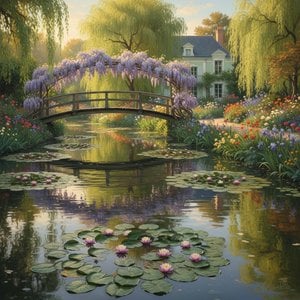
Embark on a visual journey through Claude Monet's Giverny. Discover the enchanting light, vibrant colors, and breathtaking landscapes of his legendary gardens through an expert exploration of Impressionist mastery and timeless beauty.
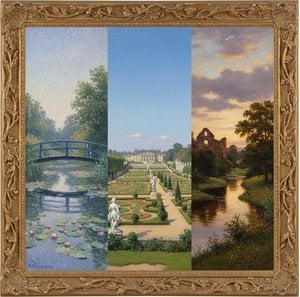
Embark on a visual journey through the serene beauty of gardens and parks in fine art. Discover how master artists capture nature's tranquility through impressionistic blooms and classical landscapes to bring timeless elegance into your home collection.

 실제 크기로 보기
 보내기
보내기 공유하기
공유하기
 상세 보기
상세 보기 가이드 보기

 이미지 다운로드
 유사 작품 더 보기
 X-레이
X-레이 슬라이드 쇼 보기
 통계 정보
통계 정보


 상세 보기
상세 보기









 유리 옵션은 110cm 미만 크기에서만 선택 가능합니다.


