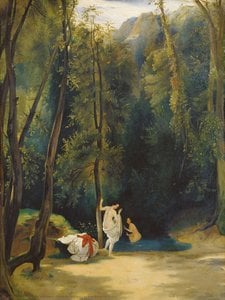
AcrylicWallArtRomantic Industrialization
 1823
1823 26.0 x 20.0 cm
 Nationalgalerie
빠른 제작과 다양한 마감 옵션을 선택할 수 있는 박물관 수준의 지클레이 및 캔버스 프린트. ( 수작업 채색 복제본 주문하기 디지털 이미지 판매 채널로 전환)





























작품의 원본 비율을 그대로 유지하는 프리셋 사이즈 중에서 선택해 보세요.

특정 프레임이나 공간에 맞춰 직접 치수를 입력하실 수 있습니다. 선택하신 사이즈가 원본 이미지의 비율과 일치하지 않을 경우, 작품을 크롭(자르기)하거나 이미지를 대칭 또는 단색 채우기로 확장하여 제작합니다. 제작 시작 전, 최종 확인을 위해 디지털 목업이 전송됩니다.
화면상의 미리보기는 실제 크롭이나 확장 상태를 반영하지 않으므로, 최종 구도는 오직 목업을 통해서만 정확하게 확인하실 수 있습니다.
맞춤 사이즈 제작도 가능하지만, 원본 비율을 유지하기 위해서는 사전 정의된 목록에서 치수를 선택하시는 것을 권장합니다.
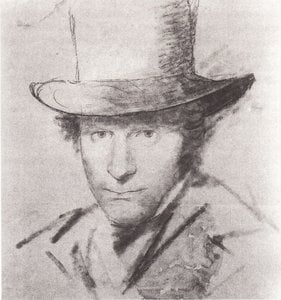
Self-Portrait
복제본 규격
"Self-Portrait"은(는) 칼 블레헨의 예술적 생애 중 Early Romanticism 시기에 해당합니다. 이 분류는 해당 작품을 작가의 예술적 발전 과정과 연결해 줍니다.
칼 블레헨의 "Self-Portrait"의 제작 연도는 1823년입니다.
1823년에 "Self-Portrait"이(가) 제작되었을 당시, 1798년에 태어난 칼 블레헨의 나이는 25세였습니다.
칼 블레헨의 "Self-Portrait"의 원작은 Nationalgalerie, 베를린, 독일에 소장되어 있습니다. 복제화(reproduction)를 통해 이 작품을 집에서도 감상하실 수 있습니다.
칼 블레헨의 "Self-Portrait"의 기록된 크기는 26 x 20 cm입니다. 복제화는 동일한 비율을 유지하면서 다른 크기로 주문하실 수 있습니다.
칼 블레헨의 "Self-Portrait"과(와) 관련된 미술 사조는 Romantic Industrialization입니다. 이러한 분류를 통해 해당 작품을 관련 작가 및 예술 작품들과 함께 파악할 수 있습니다.
"Self-Portrait"의 작가는 칼 블레헨입니다. 이 작품은 칼 블레헨의 이름으로 등록되어 있습니다.

1798년 독일 코트부스에서 태어난 칼 에두아르트 페르디난트 블레헨은 풍경화 전통 속에서 독특하면서도 종종 간과되곤 하는 위치를 차지하고 있습니다. 그의 삶은 예술적 찬란함과 개인적인 고통이라는 양면성으로 점철되었으며, 이러한 이중성은 그의 매혹적이고 혁신적인 작품 세계를 형성하는 데 깊은 영향을 미쳤습니다. 본래 가문의 경제적 어려움으로 인해 은행가라는 실용적인 길을 걷도록 예정되어 있었으나, 블레헨의 내면에 자리 잡은 예술적 갈망은 결국 승리했습니다. 그는 1822년 베를린 예술 아카데m에서 수학하며, 초기 산업화가 가져온 미학적 도전과 가능성을 가장 먼저 마주한 예술가 중 한 명으로서의 여정을 시작했습니다.
블레헨의 형성기는 유럽을 휩쓸던 낭만주의적 이상에 깊이 물들어 있었습니다. 그러나 이상화된 자연의 아름다움이나 역사적 장엄함에만 몰두했던 동시대의 많은 화가와 달리, 블레헨의 시선은 변화하는 세상으로 향했습니다. 특히 1828년부터 1829년 사이 떠난 이탈리아 여행은 그의 예술 인생을 뒤바꾼 결정적인 계기가 되었습니다. 이탈리아 전원의 빛과 대기에 매료된 그는 야외 스케치 실력을 연마하며, 찰나의 순간과 극적인 효과를 놀라운 감수성으로 포착해냈습니다. 이러한 스케치들은 단순한 준비 단계의 습작이 아니었습니다. 그것들은 그의 성숙한 화풍을 특징짓게 될 생동감 넘치는 에너지를 품고 있었습니다. 그는 단순히 기술적으로 숙련된 화가가 아니라, 자연의 숭고한 아름다움과 밀려오는 현대성의 현실을 조화시키고자 했던 독창적인 비전을 가진 예술가로서 베를린으로 돌아왔습니다.
블레헨의 예술적 성취는 낭만주의적 감성과 태동하는 사실주의 사이의 매혹적인 긴장감으로 특징지어집듬니다. 그는 급증하는 산업 경관을 묘사하는 것을 피하지 않았지만, 그렇다고 이를 무비판적으로 찬양하지도 않았습니다. 1830년에서 1832년 사이에 그려진 Bau der Teufelsbrücke (악마의 다리 건설)와 같은 작품들이 이러한 접근 방식을 잘 보여줍니다. 이 작품은 공학적 성취를 미화하는 대신, 극적인 배경 속에서 펼쳐지는 고된 노동의 현장을 제시하며 인간의 야망과 자연 질서가 파괴될 수 있는 잠재적 위협을 동시에 암시합니다. 시대의 복잡성을 직면하려 했던 이러한 의지는 그를 동시대의 다른 화가들과 차별화하는 요소입니다.
그의 풍경화에는 종종 우울한 분위기가 감도는데, 이는 변화하는 물리적 환경뿐만 아니라 그 자신의 내면적 갈등을 반영합니다. 예를 들어, Waldweg bei Spandau (슈판다우 근처의 숲길)은 고독과 성찰의 정서를 불러일으키는 동시에 빛과 그림자를 다루는 블레헨의 탁월한 기량을 보여줍니다. 그는 대기 원근법을 숙련되게 사용하여 깊이와 분위기를 창조해냈으며, 관람객을 장면 속으로 끌어들여 명상에 잠기게 했습니다. 그는 단순히 눈에 보이는 것을 기록하는 데 그치지 않고, 그것에 대한 정서적 반응을 전달하고자 했습니다.
예술적 업적에도 불구하고, 블레헨의 삶은 정신 질환으로 인해 비극적으로 단축되었습니다. 1831년 베를린 예술 아카데미의 풍경화 교수 임용은 그의 높아진 명성을 증명하는 것이었으나, 1835년 이후 그의 상태는 급격히 악화되었습니다. 휴직을 강요받고 결국 입원하게 된 상황 속에서도 그는 고통 가운데 예술 창작을 멈추지 않았으며, 자신의 혼란스러운 내면 세계를 엿볼 수 있게 하는 애절한 드로잉들을 남겼습니다. 그는 1840년 베를린에서 41세의 나이로 생을 마감했습니다.
그의 경력은 상대적으로 짧았지만, 후대 예술가들에게 미친 블레헨의 영향력은 부정할 수 없습니다. 산업 경관에 대한 그의 선구적인 묘사는 현대 삶의 변화하는 얼굴을 포착하려 했던 후기 사실주의 및 인상주의 화가들에게 길을 열어주었습니다. 그는 격변의 한복판에서도 아름다움과 의미를 발견하는 것이 가능하다는 것을 증명해 보였으며, 이 교훈은 오늘날의 예술가들에게도 여전히 깊은 울림을 줍니다. 그의 작품은 인간과 자연, 그리고 진보 사이의 복잡한 관계를 상기시키는 강력한 매개체로 남아 있습니다.
오늘히 블레헨의 작품들은 독일의 쿤스트할레 빌레펠트(Kunsthalle Bielefeld), 영국의 피츠윌리엄 박물관(The Fitzwilliam Museum), 그리고 런던 내셔널 갤러리(National Gallery)를 포함하여 전 세계 유수의 미술관 컬렉션에서 만나볼 수 있습니다. 이러한 기관들은 그의 혁신적인 비전이 계속해서 관람객들에게 영감을 주고 도전 과제를 던져줄 수 있도록 그의 유산을 소중히 보존하고 있습니다.
1798 - 1840 , 독일

Explore the profound emotional depth of Romantic landscape painting. Discover how masters captured the sublime through light, shadow, and untamed nature, and learn to bring this timeless, atmospheric beauty into your collection with museum-quality fine art reproductions.

Explore the profound emotional power of Romantic landscape art. Discover how masters like Friedrich captured the sublime through breathtaking nature, and learn to curate these evocative masterpieces for your luxury interior collection.

 실제 크기로 보기
 보내기
보내기 공유하기
공유하기
 상세 보기
상세 보기 가이드 보기

 이미지 다운로드
 유사 작품 더 보기
 X-레이
X-레이 슬라이드 쇼 보기
 통계 정보
통계 정보 상세 보기
상세 보기









 유리 옵션은 110cm 미만 크기에서만 선택 가능합니다.