A Pieta of Profound Humanity
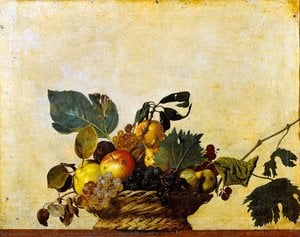
This untitled oil painting by Michelangelo Merisi da Caravaggio is a deeply moving depiction of grief and loss, rendered with the artist’s signature dramatic realism. The scene presents an elderly man tenderly cradling the lifeless body of a young boy – a *pietà* stripped bare of idealization, presenting raw human sorrow rather than divine lamentation.
Stylistic Mastery & Technique
- Baroque Realism: The work exemplifies Caravaggio’s revolutionary approach to Baroque painting. He eschews the polished surfaces and idealized forms of Mannerism, opting instead for a brutally honest portrayal of human anatomy and emotion.
- Tenebrism & Chiaroscuro: The composition is dominated by *tenebrism* – an extreme contrast between light and dark. This dramatic lighting doesn’t merely illuminate the figures; it sculpts them, emphasizing their vulnerability and intensifying the emotional weight of the scene.
- Brushwork & Texture: Caravaggio's technique is characterized by smooth, deliberate brushstrokes and meticulous layering of oil paint. This creates a luminous quality, particularly noticeable in the rendering of fabrics – the man’s robe and the boy’s garment possess a subtle texture that enhances their realism.
- Shallow Depth & Intimacy: The close-up framing and limited depth of field draw the viewer into an almost uncomfortably intimate space with the figures, heightening the sense of personal tragedy.
Historical Context & Artistic Innovation
Born in Milan in 1571, Caravaggio challenged artistic conventions throughout his short but prolific career. He rejected idealized beauty and instead focused on depicting subjects – often drawn from everyday life – with unflinching realism. His work emerged during the Counter-Reformation, a period when the Catholic Church sought to reassert its authority through art that was emotionally engaging and accessible to all. Caravaggio’s paintings achieved this by presenting religious narratives in a strikingly human and relatable manner. He influenced countless artists including Peter Paul Rubens and Rembrandt, establishing himself as a pivotal figure in the development of Baroque art.
Symbolism & Emotional Resonance
- Universal Grief: While resembling traditional *pietà* depictions (Mary cradling the dead Christ), this work lacks explicit religious iconography. This deliberate ambiguity allows the scene to resonate on a universal level, representing the profound grief experienced by any parent or loved one.
- Vulnerability & Loss of Innocence: The partially obscured face of the boy emphasizes his vulnerability and the tragic loss of potential. The man’s gentle embrace speaks volumes about tenderness amidst despair.
- Social Commentary?: Some scholars suggest that the painting may also allude to the hardships faced by the poor and marginalized in 17th-century Italy, adding a layer of social commentary to its emotional impact. The somber palette and indistinct background contribute to this sense of hardship.
A Timeless Masterpiece for Contemporary Spaces
This painting is not merely a historical artifact; it’s a powerful statement about the human condition. Its dramatic composition, masterful technique, and profound emotional depth make it an ideal focal point for any interior – from classic to contemporary. A high-quality reproduction of this work will bring a sense of gravitas, beauty, and enduring artistic value to your home or collection. It invites contemplation on themes of loss, compassion, and the shared experience of mortality.
질의응답
카라바조의 "untitled"을(를) 어떤 용도로 활용하기에 좋을까요?
카라바조의 "untitled"의 권장 용도는 Statement입니다. 그 외에도 다양한 용도로 활용하실 수 있습니다.
카라바조의 "untitled"은(는) 퍼블릭 도메인인가요?
카라바조의 "untitled"의 저작권 정보: 해당 작품은 퍼블릭 도메인 - 저작권 보호 기간이 만료되었습니다 상태입니다. 이는 이미지 복제 가능 여부를 결정하는 기준이 됩니다.
Living Room에 "untitled" 작품을 어떤 사이즈로 배치하는 것이 가장 좋을까요?
Living Room 공간에는 "untitled" 작품을 Large 크기로 인쇄하여 배치하는 것을 추천합니다.