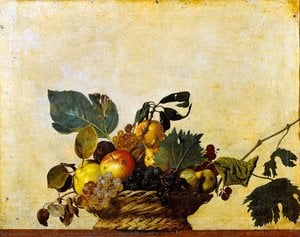
작가가 직접 캔버스에 손으로 그린 유화 작품으로, 원하는 크기와 액자로 맞춤 제작해 드립니다. ( 프린트 판매로 전환 디지털 이미지 판매 채널로 전환)





























작품의 원본 비율을 그대로 유지하는 프리셋 사이즈 중에서 선택해 보세요.

특정 프레임이나 공간에 맞춰 원하는 크기를 직접 입력하실 수 있습니다. 선택하신 크기가 원본 이미지의 비율과 일치하지 않을 경우, 작품을 자르거나 추가적인 수작업 요소를 더해 그림을 확장하여 제작합니다. 제작 시작 전, 최종 확인을 위해 디지털 목업을 보내드립니다.
화면상의 미리 보기는 실제 크롭(자르기)이나 확장된 상태를 완벽히 반영하지 않을 수 있습니다. 최종 구도는 오직 목업을 통해서만 정확하게 확인하실 수 있습니다.
맞춤 크기 제작도 가능하지만, 원본의 비율을 그대로 유지하기 위해서는 미리 정의된 목록에서 크기를 선택하시는 것을 권장합니다.
untitled (7675)
복제본 규격
Caravaggio's "Untitled (7675)" is not merely a depiction of three men; it’s a visceral plunge into the heart of human darkness, a testament to the artist’s revolutionary approach to portraying brutality and psychological tension. Painted in oil on canvas, this stark black-and-white composition immediately commands attention with its intensely focused close-up view. The scene unfolds within a modestly furnished room – a dining table bearing a solitary wine glass, chairs scattered around – elements that subtly heighten the sense of unease and impending doom. It’s a tableau stripped bare of extraneous detail, forcing the viewer to confront the raw emotion radiating from the figures themselves.
Born in Milan in 1571, Michelangelo Merisi da Caravaggio (as he was known) emerged as a pivotal figure during the tumultuous transition from the Renaissance to the Baroque period. His early life, marked by profound loss – the deaths of his father and grandfather due to plague – instilled within him an acute sensitivity to human suffering, a theme that would become a cornerstone of his artistic vision. Caravaggio’s rejection of idealized beauty and embrace of realism, particularly in depicting ordinary people with their flaws and vulnerabilities, was profoundly influential. He pioneered the use of tenebrism—a dramatic contrast between light and dark—to heighten emotional impact and create a sense of theatricality. This technique is powerfully evident here, sculpting the figures from pools of shadow and illuminating key moments of action with stark, almost blinding light.
The composition itself speaks volumes about power dynamics and moral ambiguity. One man, gripping a knife, embodies aggression and potential violence; his posture suggests control and dominance. Two other men hold him down, their actions contributing to a scene of subjugation. The third figure, seemingly detached, adds another layer of complexity – is he an accomplice, a witness, or perhaps a victim in waiting? The wine glass on the table could represent celebration, but here it feels like a poisoned chalice, reflecting the corruption and moral decay at play. The lack of context—the absence of identifiable surroundings beyond the immediate room—further amplifies the sense of isolation and vulnerability experienced by the figures.
"Untitled (7675)" exemplifies Caravaggio’s ability to transform everyday moments into profound statements about human nature. His work continues to resonate with viewers centuries later, not just for its technical brilliance but also for its unflinching portrayal of darkness and the complexities of human behavior. A hand-painted reproduction offers a unique opportunity to experience this iconic image firsthand, bringing Caravaggio’s dramatic vision into your space and sparking contemplation about themes of power, violence, and the enduring struggle between good and evil.
카라바조의 기록된 주제들인 religious drama, caravaggio’s style, humanity’s dark side”, “baroque intensity, violence”, “early baroque influence”, “dramatic figure studies” 중에서도, "untitled (7675)"은 baroque drama, knife violence, caravaggio style, human suffering, dark realism, room scene, figure study에 독자적인 초점을 맞추고 있습니다.
"untitled (7675)" 작품은 리넨 캔버스 위에 손으로 직접 그린 유화 복제화로 만나보실 수 있습니다. 다양한 사이즈 중 선택하여 현재 페이지에서 주문하실 수 있습니다.
Baroque painting 사조 안에서, "untitled (7675)"은(는) Dramatic한 어조로 기록되어 있습니다.
"untitled (7675)"은(는) 카라바조의 작품입니다. 이 페이지의 정보는 카라바조의 원작에 대해 설명합니다.
"untitled (7675)"의 형식은 Portrait입니다. 이는 작품 복제본을 배치할 공간을 계획할 때 유용합니다.
카라바조의 "untitled (7675)"의 프린트는 현재 페이지에서 바로 주문하실 수 있습니다: 코튼 캔버스 또는 아카이브용 캔버스지에 인쇄된 파인 아트 프린트.
"untitled (7675)"에 대한 통계 페이지가 존재합니다. 이 페이지에는 해당 작품과 작가의 다른 작품들에 대한 월별 방문자 수가 국가 및 언어별로 상세히 표시됩니다.


1571 - 1610 , 스페인

Elevate your design projects with WahooArt's premium canvas prints and hand-painted reproductions. From Giclée excellence to bespoke oil commissions, we provide professional decorators with museum-quality, affordable art solutions delivered worldwide with a 100% satisfaction guarantee.

Embark on a sophisticated journey through Italian Baroque art. Discover the dramatic interplay of light and emotion in Caravaggio’s masterpieces and explore how to bring this timeless grandeur into your collection with expert art insights.

 실제 크기로 보기
 보내기
보내기 공유하기
공유하기
 상세 보기
상세 보기 가이드 보기

 이미지 다운로드
 유사 작품 더 보기
 X-레이
X-레이 슬라이드 쇼 보기
 통계 정보
통계 정보
 상세 보기
상세 보기









 유리 옵션은 110cm 미만 크기에서만 선택 가능합니다.