무료 아트 컨설팅

x
작품 구매하기 작품 구매하기이미지 구매하기 이미지 구매하기 공유하기공유하기
상세 정보상세 정보 즐겨찾기에 추가 즐겨찾기에 추가 다운로드다운로드 유사 작품유사 작품 X-레이X-레이 슬라이드 쇼슬라이드 쇼

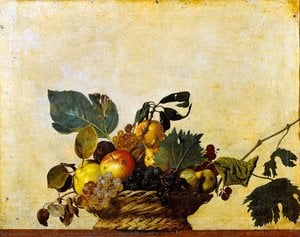
untitled (459)

카라바조(1571-1610): 빛과 그림자의 극적인 대비를 통해 종교화를 혁신한 바로크 시대의 거장입니다. '성탄', '마태오 복음서' 등 걸작들은 강렬한 현실주의와 드라마틱한 표현으로 서양 미술사에 큰 영향을 미쳤습니다.

지클레 / 아트 프린트

빠른 제작과 다양한 마감 옵션을 제공하는 박물관 품질의 지클레이 또는 캔버스 프린트.

P118B $10
P118H $10
P118W $10
P438Z $10
P508JH $12
P508YH $12
P805H $10
P805Z $10
P919BZ $10
P919G $10
P919XJ $10
P959ZH $10
P968JZ $12
W106C $8
W218G $10
W218JH $8
W218Y $10
W307PJ $10
W316G $10
W316PJ $8
W316Y $10
W398PJ $8
W4111J $10
W500HY $15
W500JH $15
W692G $12
W849H $8
W940BG $15
W953PJ $8

Standard
custom
CM
INCH

작품의 원본 비율을 유지하는 미리 설정된 크기 중에서 선택하세요.

가로 너비
세로 길이

특정 프레임이나 공간에 맞춰 직접 치수를 입력하실 수 있습니다. 선택하신 사이즈가 원본 이미지의 비율과 일치하지 않을 경우, 작품을 크롭(자르기)하거나 이미지를 대칭 또는 단색 채우기로 확장하여 제작합니다. 제작 시작 전, 최종 확인을 위해 디지털 목업이 전송됩니다.
화면상의 미리보기는 실제 크롭이나 확장 상태를 반영하지 않으므로, 최종 구도는 오직 목업을 통해서만 정확하게 확인하실 수 있습니다.
맞춤 사이즈 제작도 가능하지만, 원본 비율을 유지하기 위해서는 사전 정의된 목록에서 치수를 선택하시는 것을 권장합니다.

전 세계 배송()은 일반적인 4~5주의 소요 기간 대신 2주 이내에 완료됩니다. (3 7월)

why_choose_icon
전 세계 무료 특급 배송
why_choose_icon
프리미엄 린넨 캔버스
why_choose_icon
전체 배송 보험 보장
why_choose_icon
관세 환불 보장
why_choose_icon
실제 색상 일치 보장
why_choose_icon
60일 이내 반품 정책 (제조 결함 시)
why_choose_icon
100% 환불 보장
why_choose_icon
다량 구매 할인 혜택

총 합계 금액

-

reproduction

untitled (459)

지클레 / 아트 프린트

복제본 크기

-

최종 결제 금액

-

작품 정보 요약

  • Subject or theme: Portraiture
  • Influences: Renaissance
  • Medium: Oil on canvas
  • Notable elements or techniques: Dramatic chiaroscuro
  • Artist: Caravaggio
  • Title: untitled (459)

예술 상식 퀴즈

각 질문의 정답은 하나뿐입니다.

질문 1:
What artistic technique is prominently featured in Caravaggio’s ‘untitled (459)’?
질문 2:
Caravaggio's style significantly influenced later artists like Rubens and Rembrandt. What is the primary characteristic of Caravaggio’s approach to painting?
질문 3:
The portrait depicts a man wearing black attire, including a suit and tie. What is the dominant color palette employed by Caravaggio in this piece?
질문 4:
According to biographical information, Caravaggio’s early artistic training took place under Simone Peterzano. Who was Peterzano?
질문 5:
The image description mentions a ‘wall’ that adds depth to the composition. Why is this detail important in understanding Caravaggio’s artistic vision?

작품 상세 설명

A Shadowed Portrait: Unveiling Caravaggio’s “Untitled (459)”

Michelangelo Merisi da Caravaggio, a name synonymous with the dramatic intensity of Baroque painting, was born in Milan in 1571, a period steeped in both artistic flourishing and societal upheaval. His early life was marked by profound loss; plague ravaged his hometown, claiming the lives of his father and grandfather when he was just six years old. Raised amidst relative poverty, young Michelangelo’s formative years instilled within him a keen awareness of human suffering and resilience—themes that would later become central to his artistic vision. He began his artistic training in Milan under Simone Peterzano, a former pupil of Titian, absorbing the fundamentals of Renaissance technique but already demonstrating an unmistakable inclination toward innovation. This apprenticeship provided invaluable grounding, yet it was in Rome, arriving around 1592, that Caravaggio truly blossomed—though not without initial hardship and considerable struggle. The city, a crucible of artistic ambition and papal patronage, challenged him to forge his own path amidst established conventions.

The Subject: A Figure Defined by Dignity and Resolve

“Untitled (459)” presents us with a portrait of a man—likely commissioned by Francesco Maria del Monte—characterized by an arresting stillness. The subject is depicted in profile, gazing directly at the viewer with an expression that oscillates between solemn contemplation and quiet defiance. His attire – a dark suit and tie – speaks to the formality of his social standing, yet it’s his face itself that commands attention. Caravaggio meticulously captures the nuances of skin texture, muscle structure, and subtle facial expressions, reflecting a revolutionary commitment to realism previously unseen in Italian painting. The artist's masterful rendering emphasizes not merely physical appearance but also psychological depth—a deliberate choice intended to convey an inner life brimming with emotion.

Technique: Tenebrism – Light and Darkness as Narrative Tools

Caravaggio’s signature technique, tenebrism, elevates this portrait beyond mere representation into a powerful statement of artistic vision. This dramatic style employs stark contrasts between light and shadow—illuminating the man's face and upper torso with a radiant glow while plunging the background into impenetrable darkness. This deliberate manipulation of chiaroscuro isn’t merely decorative; it serves as an integral component of the narrative, symbolizing spiritual illumination against encroaching obscurity. Caravaggio achieved this effect through painstaking layering of glazes—a technique demanding immense patience and precision—resulting in surfaces that shimmer with subtle color variations despite their predominantly dark palette. The careful placement of light directs the viewer’s gaze, intensifying the emotional impact of the image and reinforcing the subject's unwavering gaze.

Historical Context: Baroque Rome – A Shift Towards Emotion and Drama

Caravaggio’s work emerged during the height of the Baroque period in Rome—a time marked by papal ambition, religious fervor, and a fervent desire to inspire awe and devotion. Artists like Caravaggio rejected the idealized beauty favored by Renaissance painters, opting instead for unflinching depictions of human experience – often infused with psychological complexity. His canvases confronted viewers with uncomfortable truths about mortality, faith, and human vulnerability—a bold departure from prevailing artistic sensibilities. The patronage of Francesco Maria del Monte, a wealthy humanist scholar and collector, provided Caravaggio with crucial support during his formative years in Rome, fostering an environment conducive to experimentation and innovation.

Symbolism: Darkness Represents Uncertainty; Light Signifies Divine Grace

The pervasive darkness surrounding the man’s figure is laden with symbolic significance—representing not merely physical absence but also spiritual obscurity. Caravaggio skillfully utilizes this visual motif to convey a profound meditation on faith and doubt, mirroring the anxieties of his era. Conversely, the radiant illumination focused on the subject's face symbolizes divine grace—a beacon of hope amidst darkness—underscoring the importance of inner contemplation and moral fortitude. Through these carefully considered artistic choices, Caravaggio transcends mere portraiture, transforming it into a vehicle for conveying timeless themes of spirituality and human resilience.

유사한 작품들


작가 약력

빛과 그림자의 거장: 카라바조의 삶과 예술

미켈란젤로 메리시 다 카라바조, 흔히 카라바조라는 이름으로 알려진 그는 16세기 말 이탈리아 미술계를 뒤흔든 혁명가였습니다. 1571년 밀라노에서 태어난 그는 어린 시절 역경과 고통을 경험하며 인간의 고뇌와 회복력을 깊이 이해하게 되었고, 이는 그의 작품 전반에 걸쳐 드러나는 특징입니다. 시몬 페테자노에게 그림 기법을 배우며 르네상스 미술의 기초를 다졌지만, 곧 기존의 틀을 깨는 독창적인 스타일을 구축하기 시작했습니다. 로마로 이주한 후 그는 빛과 어둠의 극명한 대비를 통해 강렬한 감정적 효과를 창출하는 키아로스쿠로 기법을 극한으로 끌어올렸고, 이를 ‘테네브리즘’이라는 새로운 미술 사조로 발전시켰습니다. 이는 당시 유행하던 인공적인 우아함을 추구하는 매너리즘 양식과는 대조되는 현실주의적 접근 방식이었습니다.

혁명적인 비전: 기법과 스타일

카라바조의 등장으로 이탈리아 미술계는 격변을 맞았습니다. 그는 이상화된 표현을 거부하고 거리에서 만나는 평범한 사람들을 모델로 삼아 종교적 인물을 묘사하며 당시 사회에 큰 충격을 안겨주었습니다. 그의 가장 두드러진 혁신은 빛과 어둠의 극명한 대비를 통해 감정적 효과를 극대화하는 키아로스쿠로 기법의 활용이었습니다. 이 기법은 단순한 미적 선택을 넘어, 그림 속 인물들에게 생생한 존재감을 부여하고 관람객을 작품의 중심으로 끌어들이는 강력한 도구였습니다. 그는 또한 배경을 최소화하거나 생략하여 인물의 감정과 드라마를 더욱 강조하는 구도 방식을 선호했습니다. 이러한 혁신적인 기법들은 그의 작품에 강렬한 현실감과 극적인 긴장감을 부여했으며, 이는 이후 바로크 미술의 발전에 지대한 영향을 미쳤습니다.

주요 작품과 지속적인 영향력

카라바조는 짧은 생애 동안 수많은 걸작을 남겼습니다. 1594년 제작된 “계산하는 여자”는 그의 뛰어난 관찰력과 인물 표현력을 보여주는 초기 대표작입니다. 1601년부터 1602년에 걸쳐 완성된 “에마오 길의 만찬”은 키아로스쿠로 기법을 통해 성경 이야기를 생생하게 재현하며 깊은 감동을 선사합니다. 또한, 다윗과 골리앗이 등장하는 작품은 카라바조 자신의 불안정한 심리를 반영하는 듯한 강렬한 인상을 남깁니다. 그의 영향력은 이탈리아를 넘어 유럽 전역으로 확산되었고, 페테르 파울 루벤스, 주세페 데 리베라, 게릿 판 호르트 등 수많은 예술가들에게 영감을 불어넣었습니다. 이들을 ‘카라바조의 추종자’ 또는 ‘음영주의 화가’라고 부르며, 카라바조의 스타일을 모방하거나 발전시킨 작품들을 통해 그의 영향력은 더욱 널리 퍼져나갔습니다.

불우한 삶과 불멸의 유산

카라바조의 삶은 그의 예술만큼이나 극적이고 파란만장했습니다. 호탕하고 다혈질적인 성격으로 인해 빈번하게 법망에 걸렸고, 결국 살인 혐의로 기소되어 로마에서 도망치는 신세가 되었습니다. 이후 나폴리, 몰타, 시칠리아 등지를 떠돌아다니며 그림을 그리면서 사면을 간청했지만, 과거의 과오는 그를 끊임없이 따라다녔습니다. 1610년 포르토 에르콜레에서 갑작스럽게 세상을 떠났는데, 그의 죽음 역시 정확한 원인이 밝혀지지 않아 여러 추측이 난무합니다. 열병으로 인한 사망설과 함께 독살설, 혹은 과로로 인한 사망설 등 다양한 이야기가 전해지고 있습니다. 비록 짧은 생을 마감했지만, 카라바조는 혁신적인 비전과 현실주의에 대한 헌신을 통해 서양 미술사의 흐름을 바꾸어 놓았습니다. 그의 작품은 오늘날까지도 수많은 사람들에게 감동과 영감을 선사하며 불멸의 유산으로 남아 있습니다.
카라바조

카라바조

1571 - 1610 , 스페인

주요 정보

  • 국적: 이탈리아인
  • 대표 작품:
    • 운명의 여인
    • 에마오에서의 만찬
    • 골리앗을 베는 다윗
    • 열정적인 성 프란치스코
  • 영향을 받은 예술가:
    • 루벤스
    • 호세 데 리베라
  • 영향을 준 예술가:
    • 티치아노
    • 레오나르도 다 빈치
    • 미켈란젤로
  • 예술 사조: 바로크, 테네브르
  • 전체 이름: 미켈란젤로 메리시 다 카라바지오
  • 출생일: 1571년 9월 29일
테마, 스타일 및 특징별로 분류된 작품들을 만나보세요.