무료 아트 컨설팅

x
작품 구매하기 작품 구매하기이미지 구매하기 이미지 구매하기 공유하기공유하기
상세 정보상세 정보 즐겨찾기에 추가 즐겨찾기에 추가 다운로드다운로드 유사 작품유사 작품 X-레이X-레이 슬라이드 쇼슬라이드 쇼

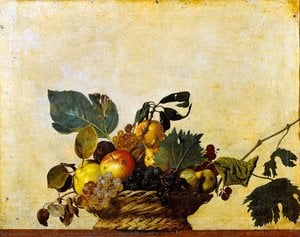
sick bacchus

Explore Caravaggio (1571-1610): Baroque master of realism & tenebrism. Dramatic religious scenes, intense chiaroscuro, and a revolutionary style that influenced Rubens & Rembrandt.

카라바조(1571-1610): 빛과 그림자의 극적인 대비를 통해 종교화를 혁신한 바로크 시대의 거장입니다. '성탄', '마태오 복음서' 등 걸작들은 강렬한 현실주의와 드라마틱한 표현으로 서양 미술사에 큰 영향을 미쳤습니다.

지클레 / 아트 프린트

빠른 제작과 다양한 마감 옵션을 제공하는 박물관 품질의 지클레이 또는 캔버스 프린트.

P118B $10
P118H $10
P118W $10
P438Z $10
P508JH $12
P508YH $12
P805H $10
P805Z $10
P919BZ $10
P919G $10
P919XJ $10
P959ZH $10
P968JZ $12
W106C $8
W218G $10
W218JH $8
W218Y $10
W307PJ $10
W316G $10
W316PJ $8
W316Y $10
W398PJ $8
W4111J $10
W500HY $15
W500JH $15
W692G $12
W849H $8
W940BG $15
W953PJ $8

Standard
custom
CM
INCH

작품의 원본 비율을 유지하는 미리 설정된 크기 중에서 선택하세요.

가로 너비
세로 길이

특정 프레임이나 공간에 맞춰 직접 치수를 입력하실 수 있습니다. 선택하신 사이즈가 원본 이미지의 비율과 일치하지 않을 경우, 작품을 크롭(자르기)하거나 이미지를 대칭 또는 단색 채우기로 확장하여 제작합니다. 제작 시작 전, 최종 확인을 위해 디지털 목업이 전송됩니다.
화면상의 미리보기는 실제 크롭이나 확장 상태를 반영하지 않으므로, 최종 구도는 오직 목업을 통해서만 정확하게 확인하실 수 있습니다.
맞춤 사이즈 제작도 가능하지만, 원본 비율을 유지하기 위해서는 사전 정의된 목록에서 치수를 선택하시는 것을 권장합니다.

전 세계 배송()은 일반적인 4~5주의 소요 기간 대신 2주 이내에 완료됩니다. (3 7월)

why_choose_icon
전 세계 무료 특급 배송
why_choose_icon
프리미엄 린넨 캔버스
why_choose_icon
전체 배송 보험 보장
why_choose_icon
관세 환불 보장
why_choose_icon
실제 색상 일치 보장
why_choose_icon
60일 이내 반품 정책 (제조 결함 시)
why_choose_icon
100% 환불 보장
why_choose_icon
다량 구매 할인 혜택

총 합계 금액

-

reproduction

sick bacchus

지클레 / 아트 프린트

복제본 크기

-

최종 결제 금액

-

작품 정보 요약

  • Year: c. 1607
  • Artist: Caravaggio
  • Artistic style: Tenebrism
  • Medium: Oil on Canvas
  • Dimensions: 73 x 54 cm
  • Notable elements or techniques: Dramatic chiaroscuro; Intense realism.
  • Influences: Classical Antiquity

예술 상식 퀴즈

각 질문의 정답은 하나뿐입니다.

질문 1:
What artistic technique is prominently featured in Caravaggio’s ‘Sick Bacchus,’ contributing to its dramatic effect?
질문 2:
The depiction of grapes in the painting symbolizes what broader concept within Renaissance art?
질문 3:
Caravaggio’s style is considered revolutionary because it departed from the idealized forms of earlier Renaissance artists. What was a key difference between Caravaggio's approach and those of his predecessors?
질문 4:
Based on the image description, where are the apples positioned within the composition?
질문 5:
Why might Caravaggio’s choice to portray a sickly figure be interpreted as reflecting humanist concerns about human vulnerability and mortality?

작품 상세 설명

A Portrait of Vulnerability: Decoding Caravaggio’s ‘Sick Bacchus’

Michelangelo Merisi da Caravaggio, a name synonymous with the dramatic intensity of Baroque painting, was born in Milan in 1571, a period steeped in both artistic flourishing and societal upheaval. His early life was marked by loss; plague ravaged his hometown, claiming the lives of his father and grandfather when he was just six years old. Raised amidst relative poverty, young Michelangelo’s formative years instilled within him a keen awareness of human suffering and resilience—themes that would later become central to his artistic vision. He began his artistic training in Milan under Simone Peterzano, a former pupil of Titian, absorbing the fundamentals of Renaissance technique but already hinting at a rebellious spirit that would soon shatter conventional norms. This apprenticeship provided a solid foundation, yet it was in Rome, arriving around 1592, that Caravaggio truly found his voice, though not without initial struggle and hardship. The city, a vibrant hub of artistic patronage and intellectual debate, attracted artists from across Europe eager to explore new expressive possibilities—a crucible where Caravaggio’s revolutionary style would emerge.
  • Subject Matter: The painting depicts a young man reclining on a bedsheet, clutching bunches of grapes in his left hand. Alongside him rests an apple, symbolizing temptation and mortality – motifs frequently employed by Baroque artists to convey moral lessons.
  • Style & Technique: Caravaggio’s signature technique—tenebrism—dominates the composition. This dramatic chiaroscuro effect utilizes stark contrasts between light and dark, plunging the scene into deep shadows while highlighting specific areas of illumination. The artist meticulously rendered skin tones with astonishing realism, capturing subtle nuances of flesh color that defied previous artistic conventions.
  • Historical Context: Caravaggio’s work arose during a period marked by religious fervor and artistic experimentation following the Counter-Reformation. He sought to reinvigorate religious art by portraying biblical figures with unflinching honesty—often depicting them as ordinary men grappling with profound spiritual dilemmas. ‘Sick Bacchus,’ commissioned likely for Cardinal Scipione Borghese, exemplifies this commitment to psychological depth and emotional resonance.
Symbolism: Beyond the obvious depiction of fruit – representing abundance and fertility – the apple serves as a potent symbol of sin and decay, mirroring the biblical story of Adam and Eve. The man’s posture conveys vulnerability and illness, suggesting introspection and confronting mortality—themes that resonate powerfully with viewers even today. Caravaggio deliberately eschewed idealized beauty, favoring instead an unflinching portrayal of human imperfection.
  • Emotional Impact: ‘Sick Bacchus’ transcends mere visual representation; it evokes a palpable sense of melancholy and contemplation. The artist's masterful use of light and shadow creates an atmosphere of intimacy and vulnerability, inviting the viewer to engage in a dialogue with the subject’s inner turmoil.
  • Legacy: Caravaggio’s influence extended far beyond his lifetime, inspiring generations of artists who embraced tenebrism and sought to capture the complexities of human emotion. His uncompromising realism challenged artistic dogma and established him as one of the most transformative figures in Baroque art history.
Conclusion: Caravaggio's ‘Sick Bacchus’ remains a testament to his unparalleled ability to convey profound psychological truths through masterful technique and evocative imagery—a painting that continues to captivate audiences with its haunting beauty and enduring relevance. Its reproduction offers an opportunity to experience the emotional power of Baroque art firsthand, bringing Caravaggio’s vision into any interior space.

유사한 작품들


작가 약력

빛과 그림자의 거장: 카라바조의 삶과 예술

미켈란젤로 메리시 다 카라바조, 흔히 카라바조라는 이름으로 알려진 그는 16세기 말 이탈리아 미술계를 뒤흔든 혁명가였습니다. 1571년 밀라노에서 태어난 그는 어린 시절 역경과 고통을 경험하며 인간의 고뇌와 회복력을 깊이 이해하게 되었고, 이는 그의 작품 전반에 걸쳐 드러나는 특징입니다. 시몬 페테자노에게 그림 기법을 배우며 르네상스 미술의 기초를 다졌지만, 곧 기존의 틀을 깨는 독창적인 스타일을 구축하기 시작했습니다. 로마로 이주한 후 그는 빛과 어둠의 극명한 대비를 통해 강렬한 감정적 효과를 창출하는 키아로스쿠로 기법을 극한으로 끌어올렸고, 이를 ‘테네브리즘’이라는 새로운 미술 사조로 발전시켰습니다. 이는 당시 유행하던 인공적인 우아함을 추구하는 매너리즘 양식과는 대조되는 현실주의적 접근 방식이었습니다.

혁명적인 비전: 기법과 스타일

카라바조의 등장으로 이탈리아 미술계는 격변을 맞았습니다. 그는 이상화된 표현을 거부하고 거리에서 만나는 평범한 사람들을 모델로 삼아 종교적 인물을 묘사하며 당시 사회에 큰 충격을 안겨주었습니다. 그의 가장 두드러진 혁신은 빛과 어둠의 극명한 대비를 통해 감정적 효과를 극대화하는 키아로스쿠로 기법의 활용이었습니다. 이 기법은 단순한 미적 선택을 넘어, 그림 속 인물들에게 생생한 존재감을 부여하고 관람객을 작품의 중심으로 끌어들이는 강력한 도구였습니다. 그는 또한 배경을 최소화하거나 생략하여 인물의 감정과 드라마를 더욱 강조하는 구도 방식을 선호했습니다. 이러한 혁신적인 기법들은 그의 작품에 강렬한 현실감과 극적인 긴장감을 부여했으며, 이는 이후 바로크 미술의 발전에 지대한 영향을 미쳤습니다.

주요 작품과 지속적인 영향력

카라바조는 짧은 생애 동안 수많은 걸작을 남겼습니다. 1594년 제작된 “계산하는 여자”는 그의 뛰어난 관찰력과 인물 표현력을 보여주는 초기 대표작입니다. 1601년부터 1602년에 걸쳐 완성된 “에마오 길의 만찬”은 키아로스쿠로 기법을 통해 성경 이야기를 생생하게 재현하며 깊은 감동을 선사합니다. 또한, 다윗과 골리앗이 등장하는 작품은 카라바조 자신의 불안정한 심리를 반영하는 듯한 강렬한 인상을 남깁니다. 그의 영향력은 이탈리아를 넘어 유럽 전역으로 확산되었고, 페테르 파울 루벤스, 주세페 데 리베라, 게릿 판 호르트 등 수많은 예술가들에게 영감을 불어넣었습니다. 이들을 ‘카라바조의 추종자’ 또는 ‘음영주의 화가’라고 부르며, 카라바조의 스타일을 모방하거나 발전시킨 작품들을 통해 그의 영향력은 더욱 널리 퍼져나갔습니다.

불우한 삶과 불멸의 유산

카라바조의 삶은 그의 예술만큼이나 극적이고 파란만장했습니다. 호탕하고 다혈질적인 성격으로 인해 빈번하게 법망에 걸렸고, 결국 살인 혐의로 기소되어 로마에서 도망치는 신세가 되었습니다. 이후 나폴리, 몰타, 시칠리아 등지를 떠돌아다니며 그림을 그리면서 사면을 간청했지만, 과거의 과오는 그를 끊임없이 따라다녔습니다. 1610년 포르토 에르콜레에서 갑작스럽게 세상을 떠났는데, 그의 죽음 역시 정확한 원인이 밝혀지지 않아 여러 추측이 난무합니다. 열병으로 인한 사망설과 함께 독살설, 혹은 과로로 인한 사망설 등 다양한 이야기가 전해지고 있습니다. 비록 짧은 생을 마감했지만, 카라바조는 혁신적인 비전과 현실주의에 대한 헌신을 통해 서양 미술사의 흐름을 바꾸어 놓았습니다. 그의 작품은 오늘날까지도 수많은 사람들에게 감동과 영감을 선사하며 불멸의 유산으로 남아 있습니다.
카라바조

카라바조

1571 - 1610 , 스페인

주요 정보

  • 국적: 이탈리아인
  • 대표 작품:
    • 운명의 여인
    • 에마오에서의 만찬
    • 골리앗을 베는 다윗
    • 열정적인 성 프란치스코
  • 영향을 받은 예술가:
    • 루벤스
    • 호세 데 리베라
  • 영향을 준 예술가:
    • 티치아노
    • 레오나르도 다 빈치
    • 미켈란젤로
  • 예술 사조: 바로크, 테네브르
  • 전체 이름: 미켈란젤로 메리시 다 카라바지오
  • 출생일: 1571년 9월 29일
테마, 스타일 및 특징별로 분류된 작품들을 만나보세요.