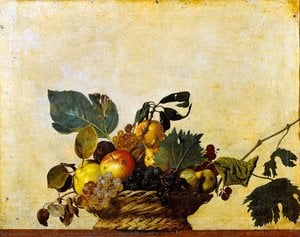
빠른 제작과 다양한 마감 옵션을 제공하는 박물관 수준의 지클레이 및 캔버스 프린트. ( 수작업 채색 복제본 주문하기 디지털 이미지로 전환)





























작품의 원본 비율을 그대로 유지하는 프리셋 사이즈 중에서 선택해 보세요.

액자나 벽면 크기에 맞춰 필요한 가로와 세로 길이를 입력해 주세요. 프린트는 원본 이미지보다 크게 제작할 수 없으며 오직 자르는 것만 가능하므로, 비율이 다른 사이즈를 선택할 경우 이미지의 일부가 잘려 나갈 수 있습니다. 인쇄 작업에 들어가기 전, 최종 확인을 위해 디지털 목업을 보내드립니다. 이 페이지에 표시된 이미지는 실제 잘리는 영역을 나타내지 않으며, 오직 목업을 통해서만 정확한 확인이 가능합니다.
san francesco e langelo
복제본 크기
Michelangelo Merisi da Caravaggio’s “San Francesco e Angelo” (Saint Francis and the Angel) is not merely a religious scene; it's a visceral embodiment of faith, suffering, and divine grace. Painted circa 1603-1604, during his Roman period, this work transcends its straightforward depiction of Saint Francis receiving aid from an angel to become a profound meditation on human vulnerability and the transformative power of spiritual devotion. The painting’s raw emotionality, coupled with Caravaggio's signature dramatic use of light and shadow – known as tenebrism – immediately captivates the viewer, drawing them into a world steeped in both earthly pain and celestial comfort.
The composition is strikingly simple yet intensely effective. At its heart lies the prone figure of Saint Francis, his body limp and vulnerable, seemingly on the brink of death. His face, rendered with agonizing realism, conveys a profound sense of exhaustion and despair. He’s not idealized; he's a man ravaged by earthly struggles, embodying the very essence of human frailty. Opposite him stands the angel, a figure of serene authority and compassionate intervention. The angel’s wings are subtly suggested, adding to his ethereal quality, while his gesture – gently lifting Francis – speaks volumes about divine assistance and unwavering support. The two birds in the upper corners—a dove and a falcon—add layers of symbolic complexity, often interpreted as representing hope and vigilance respectively, further enriching the painting's narrative.
Caravaggio’s genius lay not just in his subject matter but in his revolutionary approach to technique. “San Francesco e Angelo” exemplifies this perfectly. He abandoned the polished surfaces and idealized forms favored by many of his contemporaries, opting instead for a brutally honest portrayal of human anatomy and emotion. The figures are painted directly onto the canvas, often without preliminary sketches, resulting in an immediacy and spontaneity rarely seen in art of that era. Crucially, Caravaggio employed *chiaroscuro* – the dramatic contrast between light and dark – to create a theatrical effect. The intense illumination focuses solely on Francis and the angel, plunging the background into deep shadow, amplifying the sense of drama and highlighting the central figures’ plight.
The use of *tenebrism*, where darkness dominates the scene, is particularly evident here. It's not simply a stylistic choice; it serves to heighten the emotional impact, suggesting a world shrouded in mystery and spiritual struggle. The limited palette – primarily browns, ochres, and blacks – further contributes to the painting’s somber mood, reinforcing the theme of mortality and suffering. Caravaggio’s mastery of light and shadow transforms a simple depiction of a religious scene into a powerful exploration of human experience.
Beyond its immediate visual impact, “San Francesco e Angelo” is rich in symbolic meaning. Saint Francis, the patron saint of animals and the poor, represents humility, compassion, and a deep connection to nature. His near-death state underscores his dedication to service and his willingness to endure hardship for the sake of others. The angel’s intervention symbolizes divine mercy and the promise of redemption. The act of lifting Francis is not merely a physical gesture; it's a representation of spiritual elevation, suggesting that faith can overcome even the most profound suffering.
Furthermore, the painting resonates with broader theological themes – the struggle between good and evil, the nature of mortality, and the importance of divine grace. Caravaggio’s ability to infuse these complex ideas into a single, emotionally charged image is what makes “San Francesco e Angelo” such a compelling and enduring work of art. It invites contemplation on the human condition and offers a glimpse into the profound mysteries of faith.
WahooArt.com offers meticulously crafted hand-painted reproductions of “San Francesco e Angelo,” allowing you to experience the full power and beauty of this iconic masterpiece in your own home or office. Our skilled artists replicate Caravaggio’s distinctive style with exceptional accuracy, capturing the dramatic lighting, intense emotion, and symbolic depth that define this extraordinary painting. Whether you're an art enthusiast, a collector, or simply seeking to add a touch of Baroque grandeur to your space, a WahooArt reproduction of “San Francesco e Angelo” is a stunning investment – a testament to Caravaggio’s genius and a powerful reminder of the enduring themes of faith, suffering, and redemption.
"san francesco e langelo"에서 가장 돋보이는 색상은 Rosy Brown (#d4a79c)입니다. 작품의 주된 색상을 활용하면 인테리어와 더욱 조화롭게 연출할 수 있습니다.
카라바조의 "san francesco e langelo"에는 Green to Violet Spectrum 빛깔이 감돕니다.
카라바조의 "san francesco e langelo"은 Acrylic On Canvas 기법과 Baroque Painting 양식이 결합된 작품입니다. 기법과 양식은 작품의 제작 방식과 예술적 스타일을 나타냅니다.

1571 - 1610 , 스페인

Explore the profound mastery of Caravaggio's tenebrism. Discover how his dramatic use of chiaroscuro revolutionized Baroque art through intense emotion and realism. An expert guide for classic art enthusiasts seeking to understand the power of shadow in historical masterpieces.

Embark on a sophisticated journey through Italian Baroque art. Discover the dramatic interplay of light and emotion in Caravaggio’s masterpieces and explore how to bring this timeless grandeur into your collection with expert art insights.
 미리보기
미리보기
 공유하기
공유하기 공유하기
공유하기
 상세 정보
상세 정보 가이드 보기

 다운로드
다운로드
 유사 작품 더 보기
 X-레이
X-레이 슬라이드 쇼 보기
 질의응답
질의응답
 통계 정보
통계 정보
 더 보기
더 보기









 유리 옵션은 110cm 미만 크기에서만 선택 가능합니다.