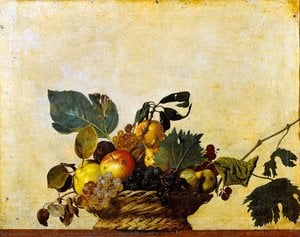
작가가 직접 캔버스에 손으로 그린 유화 작품으로, 원하는 크기와 액자로 맞춤 제작해 드립니다. ( 프린트 판매로 전환 디지털 이미지 판매 채널로 전환)





























작품의 원본 비율을 그대로 유지하는 프리셋 사이즈 중에서 선택해 보세요.

액자나 벽면 크기에 맞춰 필요한 가로와 세로 길이를 입력해 주세요. 본 작품은 수작업으로 제작되므로, 요청하신 비율에 따라 작가가 그림의 가장자리를 조금 더 넓게 그리거나 일부를 조정하여 작업할 수 있습니다. 작업 시작 전, 최종 확인을 위해 디지털 목업 이미지를 보내드립니다. 이 페이지에 표시된 이미지는 실제 결과물과 다를 수 있으며, 오직 목업 이미지만이 정확한 결과물을 보여줍니다.
Lute Player
복제본 규격
Michelangelo Merisi da Caravaggio (1571–1610), universally known as Caravaggio, stands as one of the most influential figures in Baroque art. His revolutionary approach to painting—characterized by dramatic chiaroscuro, unflinching realism, and psychological depth—continues to captivate audiences centuries later. This essay delves into an analysis of “The Lute Player,” examining its artistic merits, historical significance, and enduring emotional resonance.
Background: Caravaggio’s early biographer Giovanni Baglione recounts a tale that encapsulates the artist's ethos: he painted for Cardinal Francesco Maria del Monte a young man who played the lute, portraying him with such vibrancy and conviction that it seemed utterly alive. This depiction—a cornerstone of Caravaggio’s oeuvre—was executed in 1596 and resides in the Wildenstein Collection.
Composition & Technique: The painting depicts a solitary young man absorbed in music, accompanied by a lute positioned prominently before him. Caravaggio masterfully employs chiaroscuro – the interplay of light and shadow – to sculpt the figure’s form and imbue it with palpable emotion. Light emanates from a single window, casting dramatic highlights across the boy's face and torso while enveloping the surrounding space in deep darkness. This technique wasn’t merely stylistic; Caravaggio meticulously studied anatomy and observation, striving for an unprecedented level of accuracy.
Symbolism & Elements: Beyond its technical brilliance, “The Lute Player” is laden with symbolic meaning. The lute itself represents musical artistry and contemplation, while the vase on either side symbolizes harmony and abundance. Scattered fruits—apples and oranges—further enrich the composition, symbolizing fertility and prosperity. Notably, Caravaggio’s choice of instruments reflects the cultural milieu of his time – Florentine madrigals by Jacques Arcadelt were selected for performance.
Historical Context & Influence: Caravaggio's work emerged during a period marked by religious fervor and artistic experimentation. He challenged prevailing conventions, rejecting idealized representations in favor of gritty realism that mirrored the human condition. His influence extended far beyond Rome, inspiring artists like Diego Velázquez and Theodor Rombouts who adopted his dramatic lighting style.
Reproductions & Legacy: WahooArt.com offers meticulously crafted oil painting reproductions and prints on canvas of “The Lute Player,” preserving Caravaggio’s masterpiece with exceptional fidelity. These reproductions are created by skilled artisans, ensuring that the luminous beauty and emotional intensity of this iconic artwork endure for generations to come.
Conclusion: “The Lute Player” remains a testament to Caravaggio’s unparalleled artistic vision—a profound exploration of human emotion conveyed through masterful technique and imbued with enduring symbolic significance. It stands as an exemplar of Baroque art, captivating viewers worldwide and cementing Caravaggio's place among the greatest painters in history.
카라바조의 "Lute Player"에 대해 기록된 두 가지 추천 사항은 포인트 색상 용도와 거실 공간 공간입니다.
카라바조의 "Lute Player"의 색채는 차분한 색조의의 채도와 단색조의의 강도를 보여줍니다.
"Lute Player"은 작가의 탄생지를 통해 Baroque 사조와 스페인를 연결합니다.

1571 - 1610 , 스페인

Embark on a sophisticated journey through Italian Baroque art. Discover the dramatic interplay of light and emotion in Caravaggio’s masterpieces and explore how to bring this timeless grandeur into your collection with expert art insights.

Explore the profound mastery of Caravaggio's tenebrism. Discover how his dramatic use of chiaroscuro revolutionized Baroque art through intense emotion and realism. An expert guide for classic art enthusiasts seeking to understand the power of shadow in historical masterpieces.

Explore the breathtaking power of Baroque art. Delve into the dramatic interplay of light, shadow, and motion through the works of masters like Caravaggio. Discover how the era's intense emotional realism continues to inspire collectors and connoisseurs of classical grandeur.

 실제 크기로 보기
 보내기
보내기 공유하기
공유하기
 상세 보기
상세 보기 가이드 보기

 이미지 다운로드
 유사 작품 더 보기
 X-레이
X-레이 슬라이드 쇼 보기
 통계 정보
통계 정보


 상세 보기
상세 보기









 유리 옵션은 110cm 미만 크기에서만 선택 가능합니다.