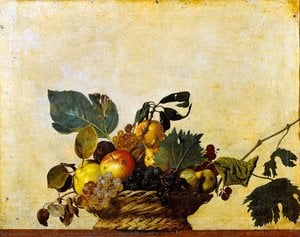
Baroque Painting
 1603
1603 154.0 x 222.0 cm
 카이저-프리드리히 박물관 (Bode Museum)
빠른 제작과 다양한 마감 옵션을 제공하는 박물관 품질의 지클레이 또는 캔버스 프린트. ( 손으로 그린 그림 구매 디지털 이미지로 전환)





























작품의 원본 비율을 유지하는 미리 설정된 크기 중에서 선택하세요.

특정 프레임이나 공간에 맞춰 직접 치수를 입력하실 수 있습니다. 선택하신 사이즈가 원본 이미지의 비율과 일치하지 않을 경우, 작품을 크롭(자르기)하거나 이미지를 대칭 또는 단색 채우기로 확장하여 제작합니다. 제작 시작 전, 최종 확인을 위해 디지털 목업이 전송됩니다.
화면상의 미리보기는 실제 크롭이나 확장 상태를 반영하지 않으므로, 최종 구도는 오직 목업을 통해서만 정확하게 확인하실 수 있습니다.
맞춤 사이즈 제작도 가능하지만, 원본 비율을 유지하기 위해서는 사전 정의된 목록에서 치수를 선택하시는 것을 권장합니다.

Christ in the Garden
복제본 크기
Caravaggio's “Christ in the Garden,” painted in 1603, isn’t merely a depiction of a biblical scene; it’s an immersive experience. This oil on canvas, now housed within the Bode Museum in Berlin (originally part of the Kaiser-Friedrich-Museum), pulsates with a raw intensity rarely matched in art history. The painting immediately commands attention not through vibrant color – instead, it utilizes a masterful monochrome palette of grays and blacks to create an atmosphere of profound sorrow and contemplation. The stark contrast between light and shadow, or *chiaroscuro*, is the very heart of Caravaggio’s technique, pushing beyond simple realism into a realm where emotion is sculpted by light itself. It's a scene steeped in religious significance – Christ, having been condemned to death, lies on a cross within a shadowed garden, attended by figures who represent grief, acceptance, and perhaps even a touch of bewildered understanding.
The composition is deliberately arresting. Caravaggio eschews traditional Renaissance perspective, opting for a tightly framed view that draws the viewer directly into the scene. Jesus dominates the center, his body limp yet radiating an undeniable dignity despite his suffering. The three figures surrounding him – a young man, a woman, and a soldier – are not presented as active participants but rather as witnesses to this pivotal moment. Their postures suggest a complex interplay of emotions: sorrow, disbelief, and perhaps even a nascent recognition of the divine sacrifice. Notably, two books lie near Christ’s feet; one open, the other closed, hinting at themes of scripture and judgment – elements central to the narrative.
Caravaggio's genius lay in his revolutionary approach to painting. He rejected the idealized forms favored by many of his contemporaries, instead choosing to depict ordinary people with unflinching honesty. His figures are rendered with a remarkable attention to detail, capturing every wrinkle, scar, and expression of emotion. The brushstrokes themselves are visible, contributing to the sense of immediacy and realism. This commitment to direct observation was radical for its time, and it’s one of the reasons why “Christ in the Garden” feels so profoundly human. He employed a technique known as *tenebroso*, utilizing darkened varnish over the paint to further enhance the dramatic effect of light and shadow – a characteristic that contributes significantly to the painting's haunting beauty.
Furthermore, Caravaggio’s use of *chiaroscuro* isn’t simply about creating visual drama; it’s fundamentally linked to his exploration of faith and doubt. The intense light illuminating Christ’s body contrasts sharply with the enveloping darkness, symbolizing both his divine nature and the encroaching shadow of death. This interplay of light and dark becomes a metaphor for the spiritual struggle at the heart of the Christian narrative.
Beyond its immediate visual impact, “Christ in the Garden” is rich with symbolic meaning. The cross itself represents sacrifice and redemption, while the books symbolize faith and judgment. The figures surrounding Christ are often interpreted as representing the Virgin Mary, John the Evangelist, and a Roman soldier – individuals grappling with the implications of Christ’s death. However, Caravaggio deliberately avoids providing clear-cut answers, allowing viewers to project their own interpretations onto the scene. The overall effect is one of profound emotional resonance; the painting evokes feelings of sorrow, empathy, and contemplation, inviting us to consider the weight of sacrifice and the nature of faith.
Caravaggio’s influence on subsequent generations of artists is undeniable. His dramatic use of light and shadow, his realistic portrayal of human emotions, and his willingness to challenge artistic conventions paved the way for the Baroque movement and beyond. Reproductions of “Christ in the Garden” continue to captivate audiences today, offering a powerful reminder of Caravaggio’s enduring legacy as one of art history's most innovative and emotionally charged masters.


1571 - 1610 , 스페인

Explore the profound mastery of Caravaggio's tenebrism. Discover how his dramatic use of chiaroscuro revolutionized Baroque art through intense emotion and realism. An expert guide for classic art enthusiasts seeking to understand the power of shadow in historical masterpieces.

Elevate your collection with the dramatic grandeur of Baroque oil masterpieces. WahooArt offers exquisite, hand-painted reproductions of the Great Masters, featuring authentic chiaroscuro and premium textures. Discover bespoke artistry and expert consultation for elite collectors worldwide.

Discover the profound emotional power of Baroque painting. Explore the mastery of chiaroscuro, the realism of Caravaggio, and the dramatic interplay of light and shadow in this expert guide for classical art enthusiasts and collectors.

Embark on a sophisticated journey through Italian Baroque art. Discover the dramatic interplay of light and emotion in Caravaggio’s masterpieces and explore how to bring this timeless grandeur into your collection with expert art insights.


 미리보기
미리보기
 공유하기
공유하기 공유하기
공유하기
 상세 정보
상세 정보 가이드 보기

 다운로드
다운로드
 유사 작품
유사 작품 X-레이
X-레이 슬라이드 쇼
 통계 정보
통계 정보 더 보기
더 보기









 유리 옵션은 110cm 미만 크기에서만 선택 가능합니다.