x


빠른 제작과 다양한 마감 옵션을 제공하는 박물관 품질의 지클레이 또는 캔버스 프린트. ( 손으로 그린 그림 구매 이미지 구매)
작품의 원본 비율을 유지하는 미리 설정된 크기 중에서 선택하세요.

특정 프레임이나 공간에 맞춰 직접 치수를 입력하실 수 있습니다. 선택하신 사이즈가 원본 이미지의 비율과 일치하지 않을 경우, 작품을 크롭(자르기)하거나 이미지를 대칭 또는 단색 채우기로 확장하여 제작합니다. 제작 시작 전, 최종 확인을 위해 디지털 목업이 전송됩니다.
화면상의 미리보기는 실제 크롭이나 확장 상태를 반영하지 않으므로, 최종 구도는 오직 목업을 통해서만 정확하게 확인하실 수 있습니다.
맞춤 사이즈 제작도 가능하지만, 원본 비율을 유지하기 위해서는 사전 정의된 목록에서 치수를 선택하시는 것을 권장합니다.

Walnut Tree in Spring
복제본 크기
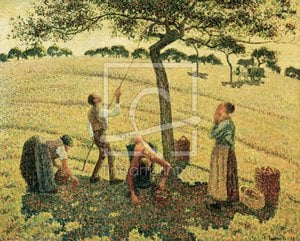
Camille Pissarro’s "Walnut Tree in Spring," painted in 1894, is more than just a depiction of nature; it's an embodiment of the Impressionist movement's core principles. This oil on canvas captures a fleeting moment – the vibrant renewal of spring centered around a majestic walnut tree. The painting resides within the E. G. Buhrle Collection Museum in Switzerland and exemplifies Pissarro’s skill in translating sensory experience into visual form.
Pissarro, often considered the "dean" of the Impressionists by art historian John Rewald, consistently championed a style that prioritized capturing the ephemeral qualities of light and atmosphere. Unlike earlier artistic movements focused on meticulous detail and historical narratives, Impressionism sought to portray the subjective experience of seeing – the way light transforms color and shapes in an instant. “Walnut Tree in Spring” perfectly illustrates this approach. The visible brushstrokes, rather than being concealed, become part of the artwork's character, contributing to a sense of movement and spontaneity. This painting is a prime example of how Pissarro moved between Impressionism and Neo-Impressionism, experimenting with color theory and pointillist techniques while retaining his signature atmospheric style.
The composition centers on the large walnut tree, its branches reaching towards a softly rendered sky. The surrounding landscape is depicted with rolling hills and patches of vibrant green grass dotted with nascent leaves. Pissarro masterfully uses light to create depth and dimensionality within the scene. Notice how the sunlight filters through the tree's canopy, casting dappled shadows on the ground below. This interplay of light and shadow isn’t merely representational; it evokes a feeling of warmth and tranquility. The color palette is dominated by greens and yellows, reflecting the vibrancy of springtime foliage, but subtle touches of blue and pink in the sky add to the overall sense of serenity. The flattened perspective, characteristic of Impressionism, draws attention to the immediate sensory experience rather than creating a deep illusion of space.
Beyond its aesthetic beauty, "Walnut Tree in Spring" carries symbolic weight. The walnut tree itself represents strength, longevity, and a connection to the earth – enduring symbols across various cultures. Its presence anchors the composition and provides a sense of stability amidst the fleeting nature of springtime. The painting evokes feelings of nostalgia, peace, and renewal. It invites viewers to pause and appreciate the simple beauty of the natural world, reflecting Pissarro’s lifelong dedication to portraying everyday scenes with profound sensitivity. The inclusion of a figure beneath the tree subtly suggests human interaction with nature, further enriching the narrative.
Camille Pissarro’s impact on art history is undeniable. He mentored numerous artists, including Paul Cézanne and Vincent van Gogh, influencing their artistic development. His commitment to capturing the essence of rural life and his innovative use of light and color established him as a pivotal figure in both Impressionism and Post-Impressionism. "Walnut Tree in Spring" stands as a testament to Pissarro’s enduring legacy – a celebration of nature's beauty and a masterful demonstration of the Impressionist aesthetic.

1830 - 1903 , 프랑스

Discover the luminous world of Camille Pissarro. Explore how this Impressionist master captured light and rural life through evocative landscapes, from Pontoise to Eragny, and learn about his enduring legacy in art history.

Discover the ethereal beauty of Jean-Baptiste-Camille Corot. Explore how this master of light bridged Neoclassicism and Impressionism through his atmospheric landscapes, capturing the timeless essence of the French countryside with unparalleled poetic brilliance.


최신 미술 뉴스, 특별 혜택 및 인테리어 아이디어를 가장 먼저 만나보세요.
프로젝트에 대해 알려주시면 저희 미술 전문가들이 맞춤형 아트 제안 3가지를 전달해 드립니다.
당신만을 위한 맞춤형 옵션 3가지를 무료로 추천해 드립니다!


 미리보기
미리보기
 공유하기
공유하기 공유하기
공유하기
 상세 정보
상세 정보

 다운로드
다운로드
 유사 작품
유사 작품 X-레이
X-레이 슬라이드 쇼

 더 보기
더 보기






































 유리 옵션은 110cm 미만 크기에서만 선택 가능합니다.