빠른 제작과 다양한 마감 옵션을 제공하는 박물관 품질의 지클레이 또는 캔버스 프린트. ( 손으로 그린 그림 구매 디지털 이미지로 전환)





























작품의 원본 비율을 유지하는 미리 설정된 크기 중에서 선택하세요.

특정 프레임이나 공간에 맞춰 직접 치수를 입력하실 수 있습니다. 선택하신 사이즈가 원본 이미지의 비율과 일치하지 않을 경우, 작품을 크롭(자르기)하거나 이미지를 대칭 또는 단색 채우기로 확장하여 제작합니다. 제작 시작 전, 최종 확인을 위해 디지털 목업이 전송됩니다.
화면상의 미리보기는 실제 크롭이나 확장 상태를 반영하지 않으므로, 최종 구도는 오직 목업을 통해서만 정확하게 확인하실 수 있습니다.
맞춤 사이즈 제작도 가능하지만, 원본 비율을 유지하기 위해서는 사전 정의된 목록에서 치수를 선택하시는 것을 권장합니다.

The Siesta
복제본 크기
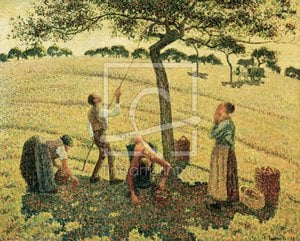
Camille Pissarro’s “The Siesta,” painted in 1899, is more than just a depiction of rural life; it's an embodiment of Impressionism's core principles – capturing fleeting moments and the ephemeral effects of light. This oil on canvas transports viewers to a serene countryside setting, inviting contemplation and appreciation for the simple pleasures of rest and nature.
The painting’s composition is carefully orchestrated to evoke a sense of peace and tranquility. The focal point is undoubtedly the large haystack dominating the foreground, providing both scale and grounding to the scene. A woman rests languidly beneath its shade, while other figures are scattered throughout, suggesting a community engaged in quiet leisure. A basket nearby hints at the harvest season and the bounty of nature. Pissarro’s masterful use of loose brushstrokes is characteristic of Impressionism. He doesn't meticulously define edges or details; instead, he uses broken color and visible strokes to capture the play of light on surfaces. The background, featuring trees and a distant house, recedes into a hazy atmosphere, further enhancing the sense of depth and distance. The colors are vibrant yet harmonious – yellows and browns dominate the haystack, contrasting with the greens and blues of the foliage and sky. This technique creates a dynamic interplay of color and light, giving the painting a lively and almost shimmering quality.
“The Siesta” was created during a period when artists were increasingly drawn to depicting everyday life and rural landscapes. Pissarro, a pivotal figure in the development of Impressionism, consistently championed scenes of working-class people and the beauty of the countryside. This painting reflects a broader social consciousness prevalent in late 19th-century France, where there was growing interest in portraying the lives of ordinary individuals with dignity and respect. Furthermore, Pissarro’s commitment to “en plein air” (painting outdoors) aligns perfectly with Impressionism's goal of capturing the fleeting effects of light and atmosphere – a direct challenge to the more formal and studio-bound traditions of academic painting.
Beyond its aesthetic appeal, “The Siesta” carries symbolic weight. The haystack itself represents harvest and abundance, signifying the fruits of labor. The resting woman embodies a moment of respite from toil, suggesting themes of leisure and rejuvenation. The overall atmosphere evokes a sense of tranquility and connection with nature – a reminder to appreciate the simple pleasures in life. Pissarro’s skillful rendering of light and shadow creates an emotional resonance that invites viewers to step into this idyllic scene and experience its peacefulness firsthand. The painting isn't merely about depicting a moment; it's about conveying a feeling—a sense of calm, contentment, and the beauty of everyday existence.
Camille Pissarro (1830-1903), born in Charlotte Amalie, St. Thomas, was a Danish-French artist of Portuguese Jewish descent and is celebrated as one of the most consistent and influential figures in Impressionism. He mentored many younger artists, including Vincent van Gogh and Paul Cézanne, and his innovative techniques helped shape the course of modern art. His dedication to depicting rural life and capturing the fleeting effects of light established him as a master of his craft. Other notable works by Pissarro include "Portrait of Paulemile" and "Jeanne Reading," showcasing his versatility and enduring artistic vision.

1830 - 1903 , 프랑스

Discover the luminous world of Camille Pissarro. Explore how this Impressionist master captured light and rural life through evocative landscapes, from Pontoise to Eragny, and learn about his enduring legacy in art history.

Master the nuances of Impressionism vs. Post-Impressionism with our expert guide. Explore the revolutionary shift from Monet’s fleeting light to Van Gogh’s emotional depth. Discover how these iconic movements continue to inspire fine art collectors and modern interiors today.


 미리보기
미리보기
 공유하기
공유하기 공유하기
공유하기
 상세 정보
상세 정보

 다운로드
다운로드
 유사 작품
유사 작품 X-레이
X-레이 슬라이드 쇼
 통계 정보
통계 정보

 더 보기
더 보기









 유리 옵션은 110cm 미만 크기에서만 선택 가능합니다.