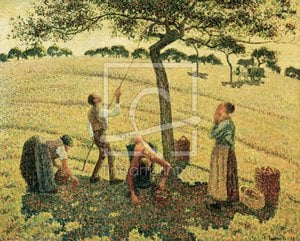
Giclée PrintDigitalImpressionism
 190119th Century
 38.0 x 46.0 cm
 Musée des Beaux-Arts
원하는 크기와 액자로 주문 제작되는, 작가들이 직접 캔버스에 손으로 그린 유화 작품입니다. ( 프린트 판매로 전환 디지털 이미지로 전환)
작품의 원본 비율을 유지하는 미리 설정된 크기 중에서 선택하세요.

특정 프레임이나 공간에 맞도록 직접 크기를 입력할 수 있습니다. 선택하신 크기가 원본 이미지의 비율과 일치하지 않는 경우, 작품을 자르거나 추가적인 손으로 그린 요소를 사용하여 그림을 확장합니다. 제작 시작 전 승인을 위해 디지털 목업을 보내드립니다.
화면 미리 보기는 실제 자르기 또는 확장을 반영하지 않습니다. 최종 구성은 목업을 통해서만 정확하게 확인하실 수 있습니다.
맞춤 크기 제작도 가능하지만, 원본 비율을 유지하기 위해 사전 정의된 목록에서 크기를 선택하시는 것을 권장합니다.

The Louvre
복제본 크기
Camille Pissarro’s “The Louvre,” painted in 1901 during his Impressionist period, isn't merely a depiction of Paris; it’s an embodiment of the movement’s core philosophy—capturing fleeting moments of beauty and emotion through nuanced observation. More than just a picturesque cityscape, this canvas speaks to the very soul of Impressionism, inviting viewers into a contemplative experience akin to witnessing dawn break over the Seine.
Pissarro’s approach distinguished him from many of his contemporaries who sought grand narratives or heroic figures. Instead, he focused on capturing the subtle interplay of light and color as it transformed the familiar surroundings of Parisian life. Influenced by artists like Claude Monet and Frédéric Bazille, Pissarro employed loose brushstrokes—characteristic of Impressionism—to blend pigments directly onto the canvas, eschewing meticulous detail in favor of conveying an overall impression. The resulting surface is textured and shimmering, reflecting the diffused sunlight filtering through the mist that hangs over the river.
Pissarro's masterful technique exemplifies Impressionist principles. He meticulously studied how light affects color perception, applying scientific observation alongside artistic intuition. The artist utilized a palette knife to apply thick impasto—textured paint—to create palpable ridges and valleys that enhance the visual drama of the scene. Careful layering of colors—primarily muted blues, greens, and tans—creates depth and luminosity, simulating the atmospheric haze prevalent in early morning hours. Notice how Pissarro captures the way light bounces off the buildings and reflects on the water’s surface, creating a mesmerizing dance of illumination.
"The Louvre," like many of Pissarro's landscapes from this era, reflects the burgeoning optimism of the Belle Époque—the “beautiful period”—a time marked by industrial progress and cultural flourishing. The painting captures a quintessential Parisian vista, portraying the Seine River lined with boats and buildings bathed in soft morning light. It’s a scene brimming with life – pedestrians strolling along the riverbank, barges gliding silently past—yet Pissarro manages to convey a profound sense of tranquility and contemplation.
Beyond its visual splendor, “The Louvre” carries symbolic weight. The misty atmosphere evokes feelings of serenity and mystery, inviting viewers to ponder the passage of time and the beauty inherent in everyday existence. The river itself symbolizes fluidity and continuity, mirroring the artist’s own belief that art should strive to capture not just what is seen but also what is felt—a testament to Pissarro's enduring legacy as a pioneer of Impressionist vision.
Pissarro’s work stands firmly within the Impressionist canon, sharing affinities with Claude Monet’s explorations of light and color. Both artists prioritized capturing atmospheric conditions—particularly mist and fog—to heighten the emotional impact of their paintings. Like Monet's Water Lilies series, “The Louvre” prioritizes sensory experience over precise depiction, inviting viewers to immerse themselves in a moment of sublime beauty.
WahooArt offers high-quality reproductions of “The Louvre,” meticulously crafted to preserve the essence of Pissarro’s original vision. Explore more about Camille Pissarro and his contribution to Impressionism at Camille Pissarro: The Louvre.

1830 - 1903 , 프랑스

Discover the ethereal beauty of Jean-Baptiste-Camille Corot. Explore how this master of light bridged Neoclassicism and Impressionism through his atmospheric landscapes, capturing the timeless essence of the French countryside with unparalleled poetic brilliance.

Discover the luminous world of Camille Pissarro. Explore how this Impressionist master captured light and rural life through evocative landscapes, from Pontoise to Eragny, and learn about his enduring legacy in art history.


 공유하기
공유하기 공유하기
공유하기
 상세 정보
상세 정보

 다운로드
다운로드
 유사 작품
유사 작품 슬라이드 쇼
 통계 정보
통계 정보 더 보기
더 보기






































 유리 옵션은 110cm 미만 크기에서만 선택 가능합니다.