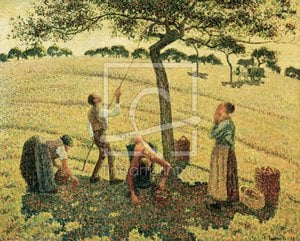
Acrylic On CanvasWallArtImpressionism
 1901
1901 38.0 x 46.0 cm
빠른 제작과 다양한 마감 옵션을 제공하는 박물관 품질의 지클레이 또는 캔버스 프린트. ( 손으로 그린 그림 구매 디지털 이미지로 전환)





























작품의 원본 비율을 유지하는 미리 설정된 크기 중에서 선택하세요.

특정 프레임이나 공간에 맞춰 직접 치수를 입력하실 수 있습니다. 선택하신 사이즈가 원본 이미지의 비율과 일치하지 않을 경우, 작품을 크롭(자르기)하거나 이미지를 대칭 또는 단색 채우기로 확장하여 제작합니다. 제작 시작 전, 최종 확인을 위해 디지털 목업이 전송됩니다.
화면상의 미리보기는 실제 크롭이나 확장 상태를 반영하지 않으므로, 최종 구도는 오직 목업을 통해서만 정확하게 확인하실 수 있습니다.
맞춤 사이즈 제작도 가능하지만, 원본 비율을 유지하기 위해서는 사전 정의된 목록에서 치수를 선택하시는 것을 권장합니다.

The Louvre 2
복제본 크기
Camille Pissarro’s “The Louvre 2,” completed in 1901, isn't merely a depiction of Paris; it’s an embodiment of Impressionism itself—a movement that sought to capture the fleeting beauty of everyday life through vibrant color and loose brushstrokes. More than just a picturesque cityscape, this painting whispers tales of artistic innovation and intellectual curiosity.
The canvas presents a carefully balanced composition, prioritizing harmony between architectural majesty and the serene flow of the Seine River. Dominating the lower half is the river itself, rendered in shimmering blues and greens—a masterful demonstration of Pissarro’s ability to convey atmospheric conditions. Scattered along its banks are boats carrying passengers, adding a sense of movement and life to the scene. Above this tranquil expanse rises the Louvre Museum, subtly positioned as a focal point, yet treated with diffused light that softens its imposing presence.
Pissarro’s technique is quintessential Impressionism—characterized by rapid brushstrokes applied in broken color patches. Rather than meticulously blending hues to achieve photorealistic accuracy, he layered pigments onto the canvas, allowing the colors to mingle optically on the viewer's eye. This approach captures the ephemeral quality of light and shadow, creating an illusion of depth and vibrancy that surpasses mere representation. The artist’s palette is rich with muted tones—ochres, browns, and greys—contrasting beautifully against the luminous blues and greens of the river.
Painted during a period of significant artistic experimentation, “The Louvre 2” reflects the broader Impressionist preoccupation with capturing modern life. Artists like Pissarro were reacting against academic painting’s rigid conventions and striving to depict scenes from daily existence as they perceived them—a bold departure from historical narratives and mythological subjects favored by earlier generations. Simultaneously, however, Pissarro remained deeply rooted in artistic tradition, drawing inspiration from the landscapes of Jean-Baptiste Camille Corot and honing his skills through meticulous observation.
Beyond its visual splendor, “The Louvre 2” speaks to a deeper symbolic significance. The Louvre Museum itself represents France’s cultural heritage—a repository of artistic masterpieces spanning centuries. By portraying the museum bathed in soft afternoon light, Pissarro subtly elevates it to an emblem of intellectual enlightenment and artistic legacy. The river symbolizes movement, change, and connection—reflecting the dynamism of Parisian life and mirroring the artist's own journey as he embraced a new aesthetic.
"The Louvre 2" evokes a feeling of peaceful contemplation amidst urban bustle. It invites viewers to linger on the scene, absorbing its luminous colors and appreciating the subtle nuances of light and shadow. The painting’s understated elegance captures the spirit of Impressionism—a celebration of beauty found in ordinary moments—leaving an indelible impression on anyone who encounters it.
For more information about Camille Pissarro's style and other works, visit The Louvre 2 page on WikiArt. Similar Works by Camille Pissarro include Garden of the Louvre Morning, Grey Weather and The Cours la Riene, The Notre Dame Cathedral, Rouen.


1830 - 1903 , 프랑스

Discover the luminous world of Camille Pissarro. Explore how this Impressionist master captured light and rural life through evocative landscapes, from Pontoise to Eragny, and learn about his enduring legacy in art history.

Master the nuances of Impressionism vs. Post-Impressionism with our expert guide. Explore the revolutionary shift from Monet’s fleeting light to Van Gogh’s emotional depth. Discover how these iconic movements continue to inspire fine art collectors and modern interiors today.


 미리보기
미리보기
 공유하기
공유하기 공유하기
공유하기
 상세 정보
상세 정보

 다운로드
다운로드
 유사 작품
유사 작품 X-레이
X-레이 슬라이드 쇼
 통계 정보
통계 정보 더 보기
더 보기









 유리 옵션은 110cm 미만 크기에서만 선택 가능합니다.