원하는 크기와 액자로 주문 제작되는, 작가들이 직접 캔버스에 손으로 그린 유화 작품입니다. ( 프린트 판매로 전환 디지털 이미지로 전환)





























작품의 원본 비율을 유지하는 미리 설정된 크기 중에서 선택하세요.

특정 프레임이나 공간에 맞도록 직접 크기를 입력할 수 있습니다. 선택하신 크기가 원본 이미지의 비율과 일치하지 않는 경우, 작품을 자르거나 추가적인 손으로 그린 요소를 사용하여 그림을 확장합니다. 제작 시작 전 승인을 위해 디지털 목업을 보내드립니다.
화면 미리 보기는 실제 자르기 또는 확장을 반영하지 않습니다. 최종 구성은 목업을 통해서만 정확하게 확인하실 수 있습니다.
맞춤 크기 제작도 가능하지만, 원본 비율을 유지하기 위해 사전 정의된 목록에서 크기를 선택하시는 것을 권장합니다.

Farmyard
복제본 크기
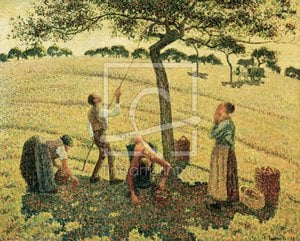
Camille Pissarro’s “Farmyard,” painted in 1863, offers a remarkably intimate and detailed glimpse into the rhythms of rural life – a scene both familiar and imbued with a quiet dignity. This work, executed during a pivotal period in the development of Impressionism, reveals Pissarro's meticulous observation and his burgeoning ability to capture not just the visual appearance of a subject but also its inherent atmosphere. The painting’s strength lies in its realism, yet it transcends mere documentation; it evokes a profound sense of connection to the land and the people who worked within it.
The scene unfolds with a carefully constructed narrative. A central figure – a man standing alongside a powerful horse – immediately draws the viewer’s eye, establishing a point of focus amidst the activity. The inclusion of other figures, subtly placed in the background, suggests a community engaged in daily tasks. Animals, particularly the dog and the two birds, add layers of interest and contribute to the overall feeling of a vibrant, living space. The architectural element – the open doorway leading into what appears to be a barn or stable – anchors the composition and reinforces the theme of agricultural labor. Pissarro’s masterful use of perspective guides the eye through the scene, creating a sense of depth and inviting the viewer to become part of this rural tableau.
“Farmyard” exemplifies Pissarro's evolving style, firmly rooted in Realism but increasingly influenced by the emerging tenets of Impressionism. Notice the loose brushwork, characteristic of the period, which avoids sharp outlines and instead emphasizes the play of light and shadow. The artist employs broken color – applying small strokes of pure pigment side-by-side – to create a shimmering effect, particularly evident in the depiction of the horse’s coat and the hay pile. This technique allows Pissarro to capture the transient qualities of light and atmosphere, a hallmark of Impressionist painting. While grounded in observation, the work demonstrates a growing willingness to prioritize subjective perception over strict adherence to academic conventions.
Painted in 1863, “Farmyard” reflects a time of significant social and artistic change. The rise of industrialization was beginning to transform rural landscapes, yet Pissarro’s work champions the enduring values associated with agricultural life – hard work, community, and connection to nature. The scene can be interpreted as a nostalgic celebration of a disappearing way of life. Furthermore, Pissarro's involvement in the Société des Artistes Indépendants, a group that championed independent artistic expression, aligns him with the broader movement challenging established artistic norms. This painting represents a crucial step in his development and foreshadows his later contributions to Impressionism’s evolution.
"Farmyard" possesses a quiet emotional resonance that continues to captivate viewers today. It is not a dramatic or overtly sentimental work, but rather one of subtle beauty and profound observation. The painting's ability to evoke a sense of peace and connection to the natural world speaks to Pissarro’s artistic skill and his deep understanding of human experience. A hand-painted reproduction offers an exceptional opportunity to bring this evocative scene into your home or office, celebrating the legacy of one of Impressionism’s most important figures.

1830 - 1903 , 프랑스

Discover the luminous world of Camille Pissarro. Explore how this Impressionist master captured light and rural life through evocative landscapes, from Pontoise to Eragny, and learn about his enduring legacy in art history.


 미리보기
미리보기
 공유하기
공유하기 공유하기
공유하기
 상세 정보
상세 정보 Guide
Guide

 다운로드
다운로드
 유사 작품
유사 작품 X-레이
X-레이 슬라이드 쇼
 통계 정보
통계 정보

 더 보기
더 보기









 유리 옵션은 110cm 미만 크기에서만 선택 가능합니다.