

작가가 직접 캔버스에 손으로 그린 유화 작품으로, 원하는 크기와 액자로 맞춤 제작해 드립니다. ( 프린트 판매로 전환 디지털 이미지 판매 채널로 전환)





























작품의 원본 비율을 그대로 유지하는 프리셋 사이즈 중에서 선택해 보세요.

액자나 벽면 크기에 맞춰 필요한 가로와 세로 길이를 입력해 주세요. 본 작품은 수작업으로 제작되므로, 요청하신 비율에 따라 작가가 그림의 가장자리를 조금 더 넓게 그리거나 일부를 조정하여 작업할 수 있습니다. 작업 시작 전, 최종 확인을 위해 디지털 목업 이미지를 보내드립니다. 이 페이지에 표시된 이미지는 실제 결과물과 다를 수 있으며, 오직 목업 이미지만이 정확한 결과물을 보여줍니다.
George Ii -
복제본 규격

18세기라는 거대한 태피스트리 속에서, 식민지의 긴장감이 국가적 정체성으로 변모해가는 그 심오한 전환기를 로버트 에지 파인만큼 애틋하게 포착해낸 예술가는 드뭅니다. 1730년 런던에서 태어난 파인은 두 세계를 아우르는 인물이었습니다. 그는 영국 계몽주의의 정립된 우아함과 미국 혁명의 거칠고도 솟구치는 정신 사이의 간극을 삶과 작품으로 이어준 앵글로-아메리칸 화가였습니다. 그의 예술적 혈통은 저명한 판화가이자 지도 제작자였던 아버지 존 파인의 세밀한 정밀함에 뿌리를 두고 있습니다. 판화라는 절제된 세계를 일찍이 접하며 로버트는 디테일에 대한 근본적인 경외심과 복잡한 서사를 시각적 현실로 번역해내는 놀라운 능력을 갖추게 되었으며, 이 기술은 훗날 그가 역사의 얼굴들을 기록하는 데 결정적인 역할을 하게 됩니다.
런던에서의 초기 경력은 상당한 명성으로 빛났습니다. 초상화에 대한 그의 탁월한 재능은 당대 가장 영향력 있는 인물들의 주목을 끌었습니다. 그는 예술가 협회(Society of Artists)와 자유 예술가 협회(Free Society of Artists)의 세련된 사교계에서 활동하며, 조지 2세와 유명 배우 데이비드 가릭 같은 거장들을 화폭에 담았습니다. 이 시기 그의 작품은 인물의 외형뿐만 아니라 유럽 엘리트층을 정의하는 미묘한 심리적 뉘앙스까지 포착해내는 정교한 통찰력이 특징이었습니다. 그러나 이 세련된 외면 아래에는 대서양 세계의 변화하는 정치적 조류에 깊이 공명하는 예술가가 자리 잡고 있었으며, 이러한 감수성은 결국 그를 바다 건너 새로운 국가의 해안으로 이끌었습니다.
파인의 생애 마지막 장은 필라델피아로의 이주와 함께 시작되었으며, 그곳에서 그는 미국의 독립 투쟁을 기록하는 필수적인 시각적 연대기 작가가 되었습니다. 이 변혁의 시기에 그의 예술은 단순한 초상화를 넘어 역사화라는 심오한 무게감을 품게 되었습니다. 1778년에 그려진 그의 걸작 “아메리카(America)”는 그의 알레고리적 기량을 보여주는 숨 막히는 증거입니다. 이 작품에서 파인은 단순히 풍경이나 인물을 그린 것이 아니라 하나의 '사상'을 그렸습니다. 아메리카를 고통받는 형상으로 묘ty사하면서 자유, 화합, 풍요, 평화의 상징들로부터 위안을 받는 모습으로 표현함으로써, 그는 혁명의 동력이 된 이상들에 시각적 언어를 부여하고 전쟁의 소용돌이 속에 있는 국가에 희망과 도덕적 명확성을 제시했습니다.
알레고리적 성취를 넘어, 미국의 대의를 기록하려는 파인의 헌신은 비록 미완으로 남았지만 야심 찬 작품인 “독립을 결의하는 의회(Congress Voting Independence)”에서 가장 유명하게 드러납니다. 이 기념비적인 구도는 독립 선언서 서명자들의 초상을 배치하여 독립기념관의 내부를 영원히 간직하고자 했습니다. 이 프로젝트를 통해 파인은 건국 시조들의 개별적인 정체성을 민주주의 탄생이라는 하나의 응집된 서사로 엮어내려 시도했습니다. 특히 마운트 버넌에서 제작된 그의 보기 드문 성숙한 초상화 속 조지 워싱턴과 같은 인물들을 포착해낸 능력은, 정치적 아이콘 뒤에 숨겨진 인간적인 요소를 기록하는 그의 독보적인 역량을 증명합니다.
1788년 그의 삶은 비록 짧게 마감되었지만, 로버트 에지 파인의 유산은 미국 예술 정전의 없어서는 안 될 부분으로 남아 있습니다. 그는 코플리(Copley)와 같은 거장들의 퇴장과 스튜어트(Stuart)의 등장 사이라는 결정적인 역사적 과도기를 점유하며, 변화의 문턱에 선 사회를 기록하는 소중한 사료로서 역할을 했습니다. 그의 공헌은 다음과 같은 영속적인 영향력으로 요약될 수 있습니다.
오늘날 로버트 에지 파인의 작품들은 단순한 아름다운 예술품을 넘어 역사적인 창으로 소중히 여겨집니다. 그의 작품은 우리로 하여금 18세기의 심장부로 들여다보게 하며, 대륙을 형성한 인물들의 얼굴을 마주하고 그의 붓끝에서 느껴지는 역동적인 획을 통해 혁명의 맥박을 느끼게 해줍니다.

1730 - 1788 , 영국

바로크 예술의 풍요로운 세계를 탐험하고, 현대 인테리어에 감동을 불어넣는 방법을 WahooArt에서 만나보세요. 카라바조, 렘브란트 등 거장들의 작품과 키아로스쿠로 기법 활용 노하우를 공개합니다.
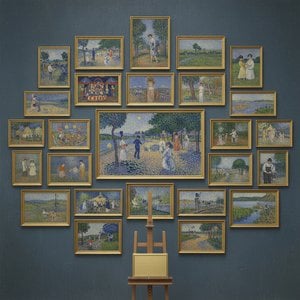
조르주 쇠라의 대표작 25선을 만나보세요. 점묘법의 혁신과 빛, 색채의 아름다움이 담긴 명작들을 감상하고, 인테리어에 예술적인 영감을 더하세요. WahooArt.com에서 고품질 미술 작품을 컬렉션해보세요.

Explore the dramatic world of Baroque art! Discover iconic artists like Caravaggio & Rubens, defining techniques, and its lasting impact on art history. Expert insights for collectors & enthusiasts at WahooArt.

화려함과 극적인 표현이 압권! 바로크 미술을 대표하는 10대 걸작의 숨겨진 이야기를 만나보세요. 베르니니, 루벤스 등 거장의 작품부터 바로크 색감, 예술적 기법까지 – WahooArt.com에서 명품 복제 & 인테리어 영감을 얻으세요! 지금 바로 컬렉션을 탐험해보세요.
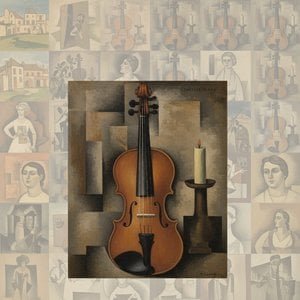
조르주 브라크의 시대를 초월한 25개의 걸작을 만나보세요. 입체주의를 개척한 프랑스 화가의 예술 세계와 숨겨진 이야기를 WahooArt에서 감상하고, 명작 유화 복제본으로 공간에 특별함을 더하세요. 지금 바로 컬렉션을 탐험하세요!

 실제 크기로 보기
 보내기
보내기 공유하기
공유하기
 상세 보기
상세 보기 가이드 보기

 이미지 다운로드
 유사 작품 더 보기
 X-레이
X-레이 슬라이드 쇼 보기
 통계 정보
통계 정보
 상세 보기
상세 보기









 유리 옵션은 110cm 미만 크기에서만 선택 가능합니다.


