원하는 크기와 액자로 주문 제작되는, 작가들이 직접 캔버스에 손으로 그린 유화 작품입니다. ( 프린트 판매로 전환 디지털 이미지로 전환)





























작품의 원본 비율을 유지하는 미리 설정된 크기 중에서 선택하세요.

특정 프레임이나 공간에 맞도록 직접 크기를 입력할 수 있습니다. 선택하신 크기가 원본 이미지의 비율과 일치하지 않는 경우, 작품을 자르거나 추가적인 손으로 그린 요소를 사용하여 그림을 확장합니다. 제작 시작 전 승인을 위해 디지털 목업을 보내드립니다.
화면 미리 보기는 실제 자르기 또는 확장을 반영하지 않습니다. 최종 구성은 목업을 통해서만 정확하게 확인하실 수 있습니다.
맞춤 크기 제작도 가능하지만, 원본 비율을 유지하기 위해 사전 정의된 목록에서 크기를 선택하시는 것을 권장합니다.

John Moore
복제본 크기
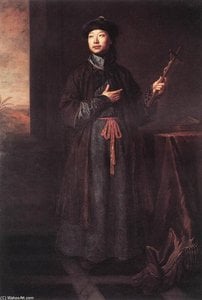
In the quiet dignity of Sir Godfrey Kneller’s portrait of John Moore, we find more than just a likeness; we encounter a window into the refined elegance of the early eighteenth century. Painted in 1705, this work serves as a profound testament to the era of the Restoration and the burgeoning sophistication of Georgian Britain. The subject, John Moore, is presented with a commanding yet intimate presence, his gaze meeting the viewer with an unwavering directness that bridges the centuries. As he sits poised in his chair, the subtle details of his attire—the crisp, long white collar and the somber, structured black vest—speak volumes of a man of status, embodying the formal decorum that defined the upper echelons of society during Kneller's prolific career.
The composition is masterfully orchestrated to draw the eye toward Moore’s countenance, yet it does not leave the viewer in isolation. The presence of secondary figures in the periphery adds a layer of narrative depth, suggesting a social milieu filled with movement and connection. This arrangement creates a sense of lived experience, as if we have stumbled upon a private moment within a bustling aristocratic estate. For the discerning collector or interior designer, such a piece offers an unparalleled opportunity to introduce a sense of historical weight and classical poise to a contemporary space, acting as a focal point that commands respect and invites contemplation.
To understand the allure of this portrait, one must delve into the technical brilliance of Sir Godfrey Kneller, a painter whose name became synonymous with the English Baroque. Kneller was a virtuoso of chiaroscuro, utilizing the dramatic interplay between light and shadow to sculpt the features of his subjects with remarkable three-dimensionality. In this depiction of Moore, the light does not merely illuminate; it breathes life into the textures of the fabric and the subtle contours of the face. By employing techniques such as grisaille—the application of delicate white pigments over darker underpaintings—Kneller achieved a luminous quality that makes the highlights on the collar and skin appear to glow from within.
This meticulous approach to light serves a dual purpose: it provides a hyper-realistic texture that satisfies the eye, and it imbues the portrait with a psychological depth. The shadows are not merely absences of light but are used to suggest the gravity and character of the man portrayed. This interplay creates an emotional resonance, evoking a sense of nostalgia for a lost age of refinement. For those seeking to adorn a room with art that possesses both substance and soul, Kneller’s ability to capture the very essence of his subject through technical precision offers a timeless aesthetic appeal that transcends mere decoration.
The historical significance of this work is inextricably linked to Kneller's role as the preeminent portraitist of his age. As the court painter to successive monarchs, including Charles II and George I, Kneller shaped the visual identity of a nation. His "Kit-Cat" portraits and individual commissions like that of John Moore were instrumental in documenting the power structures and cultural aspirations of the British elite. To possess a reproduction of such a work is to hold a piece of art history—a fragment of the era when the visual landscape of Britain was being redefined by the brushstrokes of a master.
Beyond its historical value, the portrait offers a profound emotional impact. It evokes a sense of permanence and stability in an ever-changing world. The dignified posture of Moore and the classical balance of the composition provide a calming, sophisticated energy to any setting, whether it be a formal library, a stately dining room, or a modern gallery space. It is an investment in atmosphere, bringing the prestige of the Baroque period into the heart of the modern home, and ensuring that the elegance of 1705 continues to inspire generations to come.


1646 - 1723

Explore the dramatic world of Baroque art! Discover iconic artists like Caravaggio & Rubens, defining techniques, and its lasting impact on art history. Expert insights for collectors & enthusiasts at WahooArt.

Explore the life & work of Sir Godfrey Kneller, leading portraitist of Restoration England. Discover his Baroque style, influence on aristocratic society, and lasting legacy in English art history. Learn about Kit-Cat portraits & more!
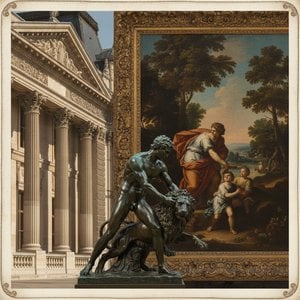
Explore the profound elegance of Baroque Classicism. Discover how 17th-century masters synthesized dramatic emotion with classical order through the lens of the Counter-Reformation and the works of legends like Carlo Maratta and Andrea Sacchi.

바로크 예술의 풍요로운 세계를 탐험하고, 현대 인테리어에 감동을 불어넣는 방법을 WahooArt에서 만나보세요. 카라바조, 렘브란트 등 거장들의 작품과 키아로스쿠로 기법 활용 노하우를 공개합니다.
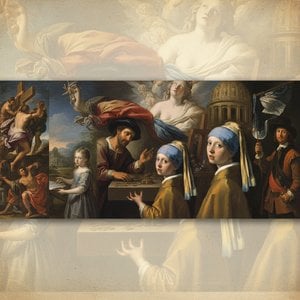
화려함과 극적인 표현이 압권! 바로크 미술을 대표하는 10대 걸작의 숨겨진 이야기를 만나보세요. 베르니니, 루벤스 등 거장의 작품부터 바로크 색감, 예술적 기법까지 – WahooArt.com에서 명품 복제 & 인테리어 영감을 얻으세요! 지금 바로 컬렉션을 탐험해보세요.


 미리보기
미리보기
 공유하기
공유하기 공유하기
공유하기
 상세 정보
상세 정보 가이드 보기

 다운로드
다운로드
 유사 작품
유사 작품 X-레이
X-레이 슬라이드 쇼
 통계 정보
통계 정보


 더 보기
더 보기









 유리 옵션은 110cm 미만 크기에서만 선택 가능합니다.