
원하는 크기와 액자로 주문 제작되는, 작가들이 직접 캔버스에 손으로 그린 유화 작품입니다. ( 프린트 판매로 전환 디지털 이미지로 전환)





























작품의 원본 비율을 유지하는 미리 설정된 크기 중에서 선택하세요.

특정 프레임이나 공간에 맞도록 직접 크기를 입력할 수 있습니다. 선택하신 크기가 원본 이미지의 비율과 일치하지 않는 경우, 작품을 자르거나 추가적인 손으로 그린 요소를 사용하여 그림을 확장합니다. 제작 시작 전 승인을 위해 디지털 목업을 보내드립니다.
화면 미리 보기는 실제 자르기 또는 확장을 반영하지 않습니다. 최종 구성은 목업을 통해서만 정확하게 확인하실 수 있습니다.
맞춤 크기 제작도 가능하지만, 원본 비율을 유지하기 위해 사전 정의된 목록에서 크기를 선택하시는 것을 권장합니다.

The Field
복제본 크기
Boris Mikhailovich Kustodiev’s “The Field,” completed in 1917, stands as a cornerstone of Russian Realism and an enduring emblem of the pastoral idyll that captivated artists and audiences alike. More than just a depiction of agricultural labor—though undeniably present—the painting delves into deeper themes of human connection to the land and the quiet dignity of rural existence.
The artwork’s visual impact derives from its masterful composition. Dominating the canvas is a solitary man, positioned centrally amidst a sprawling field populated by trees. He holds the reins of two horses—a gesture that speaks volumes about responsibility, tradition, and the enduring role of agriculture in Russian culture. The artist employs muted earthy tones – ochres, browns, greens – creating an atmosphere of serene contemplation. This restrained palette is characteristic of Kustodiev’s style, prioritizing meticulous detail and capturing the subtle nuances of light and shadow to convey a profound sense of realism.
Executed in oil paint on canvas, “The Field” exemplifies Kustodiev's dedication to traditional artistic methods. The artist painstakingly layered pigments to achieve remarkable textural depth—the rough bark of the trees contrasts sharply with the smooth sheen of the horse hides. Brushstrokes are deliberate and controlled, conveying a palpable sense of physicality and grounding the scene in tangible reality. This technique underscores Kustodiev’s commitment to portraying the world as he perceived it, prioritizing accuracy over idealized beauty.
Painted just before the Bolshevik Revolution, “The Field” captures a moment frozen in time—a snapshot of rural Russia on the cusp of dramatic upheaval. Yet, despite its historical significance, the painting transcends mere documentation; it speaks to universal human experiences of labor, family life, and connection to nature. The man’s gaze directs towards something beyond the immediate frame, hinting at contemplation and perhaps a yearning for continuity amidst inevitable change—a poignant reflection on the anxieties and hopes of an era.
"The Field" is laden with symbolic resonance. The horses represent strength and productivity, mirroring the vital role played by agriculture in Russian society. The man’s posture embodies resilience and steadfastness—a quiet dignity that embodies the spirit of rural Russia. Furthermore, the trees symbolize permanence and rootedness, anchoring the scene in tradition and conveying a sense of timeless beauty. Kustodiev's masterful portrayal elevates the mundane to the sublime, reminding us of the profound significance of everyday life and the enduring power of artistic observation.
Ultimately, “The Field” evokes a powerful emotional response—a feeling of melancholy beauty mingled with an appreciation for simplicity. The painting invites viewers to contemplate the passage of time, the importance of heritage, and the enduring connection between humanity and the natural world. It’s a testament to Kustodiev's ability to distill complex emotions into a single image, cementing its place as one of Russia’s most beloved artistic treasures.

1878 - 1927 , 러시아

Explore the profound beauty of 19th-century Russian art. From Ilya Repin's realism to pastoral landscapes, discover the soul of the steppes through our expert historical analysis and museum-quality hand-painted reproductions for discerning collectors.
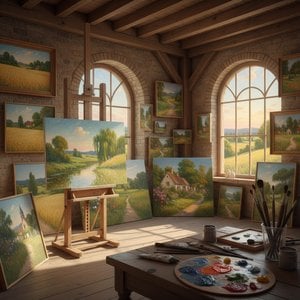
Discover the profound tranquility of rural art through an expert exploration of Impressionist landscapes. From pastoral scenes to textured oil masterpieces, learn how timeless nature-inspired artworks bring enduring elegance and serenity to sophisticated collectors.

Explore the profound depth of Russian Realism. From the social truths of the Peredvizhniki to epic folklore, discover the soulful power of masters like Perov and Yaroshenko through our expert art history insights and museum-quality reproductions.


 미리보기
미리보기
 공유하기
공유하기 공유하기
공유하기
 상세 정보
상세 정보

 다운로드
다운로드
 유사 작품
유사 작품 X-레이
X-레이 슬라이드 쇼
 통계 정보
통계 정보


 더 보기
더 보기









 유리 옵션은 110cm 미만 크기에서만 선택 가능합니다.


