
빠른 제작과 다양한 마감 옵션을 제공하는 박물관 품질의 지클레이 또는 캔버스 프린트. ( 손으로 그린 그림 구매 디지털 이미지로 전환)
작품의 원본 비율을 유지하는 미리 설정된 크기 중에서 선택하세요.

특정 프레임이나 공간에 맞춰 직접 치수를 입력하실 수 있습니다. 선택하신 사이즈가 원본 이미지의 비율과 일치하지 않을 경우, 작품을 크롭(자르기)하거나 이미지를 대칭 또는 단색 채우기로 확장하여 제작합니다. 제작 시작 전, 최종 확인을 위해 디지털 목업이 전송됩니다.
화면상의 미리보기는 실제 크롭이나 확장 상태를 반영하지 않으므로, 최종 구도는 오직 목업을 통해서만 정확하게 확인하실 수 있습니다.
맞춤 사이즈 제작도 가능하지만, 원본 비율을 유지하기 위해서는 사전 정의된 목록에서 치수를 선택하시는 것을 권장합니다.

Vaulting decoration
복제본 크기
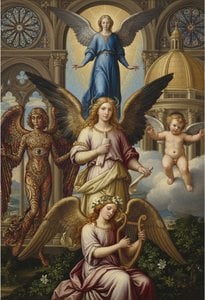
Within the echoing halls of Castello Sforzesco in Milan resides a breathtaking testament to the artistic fervor of the Italian Renaissance – Bonifazio Bembo’s “Vaulting Decoration.” Completed tragically near the end of his life in 1477, this fresco offers a profound glimpse into the aesthetic sensibilities of a generation captivated by both classical ideals and burgeoning humanism. Bembo, a young artist whose career was cut short at just 30, left behind a remarkably concentrated body of work that continues to intrigue art historians and collectors alike. The scene depicts a dynamic composition centered around an angel or saint, radiating with power and grace, surrounded by a swirling throng of celestial figures engaged in what appears to be a joyous celebration – a ‘vaulting’ of the heavens as the title suggests. The sheer density of detail, combined with Bembo's masterful use of color and light, creates an immersive experience that transports the viewer into this imagined realm.
Beyond its purely aesthetic qualities, “Vaulting Decoration” is laden with symbolic meaning. The central figure, likely an allegorical representation of divine grace or a saintly protector, embodies themes of faith, hope, and redemption. The surrounding figures – angels, cherubs, and possibly mythological beings – participate in a complex narrative that may have been rooted in religious iconography or the patronage’s own family history. The presence of musical instruments, such as lutes and flutes, suggests a scene of divine music or celebration, further emphasizing the work's spiritual significance. While the precise interpretation of these symbols remains open to scholarly debate, they undoubtedly served to reinforce the viewer’s understanding of the fresco’s message.
Created during the height of the Milanese Renaissance, “Vaulting Decoration” reflects the city's position as a major cultural and artistic center. Bonifazio Bembo was part of a vibrant artistic community that drew inspiration from both classical antiquity and contemporary trends. His work stands as a testament to the innovative spirit of the era, showcasing his ability to synthesize diverse influences into a cohesive and compelling visual narrative. Sadly, Bembo’s premature death cut short what promised to be an even more prolific career, but his legacy endures through works like this – a poignant reminder of a brilliant talent lost too soon.
“Vaulting Decoration” evokes a profound sense of awe and wonder. The sheer scale of the fresco, combined with Bembo’s masterful execution, creates an immersive experience that transports the viewer into this imagined realm of divine beauty. A hand-painted reproduction captures not only the visual details but also the emotional resonance of the original artwork, allowing you to bring a piece of Renaissance splendor into your own space. WahooArt offers meticulously crafted reproductions that faithfully recreate Bembo’s vision, ensuring that this timeless masterpiece continues to inspire and captivate for generations to come.

In the grand tapestry of the Italian Renaissance, some threads shine with a brilliance so intense that they leave an indelible mark, even if they are tragically short. Bonifazio Bembo (1447–1477) was such a thread. Born in the artistic cradle of Brescia, Lombardy, Bembo’s life was a fleeting meteor across the cultural sky of Milanese Italy. Though he passed away at the tender age of thirty, his presence remains etched into the very walls of history through works that capture the transition from medieval tradition to the burgeoning humanism of the late fifteenth century. His career, though concentrated in a mere few decades, serves as a vital window into the aesthetic soul of the Sforza era.
The foundations of Bembo’s mastery were laid in his early apprenticeship under Giovanni Battista Ticcioli. This formative period was crucial, as it immersed him in the demanding world of fresco painting and decorative sculpture. From Ticcioli, Bembo inherited a profound command over large-scale compositions and the technical rigors required to marry pigment with damp plaster. However, his vision was far from provincial. As his talent matured, he began to weave together disparate stylistic currents, creating a unique visual language that bridged the gap between Northern European realism and the burgeoning elegance of the Italian peninsula.
What distinguishes Bembo’s oeuvre is the sophisticated dialogue he maintained between different artistic traditions. He was deeply moved by the Flemish Primitives, particularly the meticulous naturalism of masters like Jan van Eyck and Rogier van der Weyden. This influence is evident in his devotion to minute detail and his ability to use light to create a sense of luminous depth, making textures appear almost tactile to the viewer. Yet, simultaneously, Bembo was absorbing the stylistic shifts of Early Florentine Mannerism. He embraced the grace of elongated figures and the rhythmic, stylized drapery that would later define the works of Botticelli and Da Vinci, lending his portraits and frescoes a sense of poetic movement.
This duality allowed him to create works that were both grounded in physical reality and elevated by spiritual symbolism. In his celebrated Vaulting Decoration within the Castello Sforzesco in Milan, one can witness this breathtaking synthesis. The fresco is a celestial dance of angelic figures and vibrant pigments, where the heavy weight of Renaissance architecture meets the ethereal lightness of divine presence. It is here that Bembo’s ability to transform stone and plaster into a window to the heavens truly shines.
The zenith of Bembo’s career was inextricably linked to the patronage of Ludovico Sforza, the Duke of Milan. Under the protection of one of Italy's most ambitious cultural architects, Bembo found the resources to execute works of immense scale and prestige. His involvement in the creation of the Bembo Tarot Cards and his various portraits of the Sforza family solidified his status as a premier court artist. These works were not merely decorations; they were instruments of political and social prestige, designed to project the power, intellect, and refined taste of the Milanese court.
Though his life ended prematurely, leaving many projects unfinished and much of his biography lost to time, the historical significance of Bonifazio Bembo cannot be overstated. He stands as a crucial link in the evolution of Renaissance art, representing a moment when the meticulous observation of the North met the idealized grace of the South. To study Bembo is to encounter a master who, in a short lifetime, captured the very essence of an era defined by discovery, beauty, and the eternal pursuit of perfection.

1447 - 1477 , Italy
Explore the profound beauty of angelic figures in art history. From Renaissance masterpieces to celestial symbolism, our expert guide offers a sophisticated journey through the divine imagery of the Old Masters for discerning collectors and art enthusiasts.

Explore the profound mastery of fresco painting, from the technical alchemy of buon fresco to the legendary narratives of Renaissance masters like Ghirlandaio. Discover how this timeless medium shaped art history and continues to inspire architectural grandeur today.

Discover the timeless art of fresco painting. Explore the profound history, technical mastery of buon fresco, and the enduring legacy of Renaissance masters like Michelangelo in this expert guide to painting on wet plaster.


 공유하기
공유하기 공유하기
공유하기
 상세 정보
상세 정보

 다운로드
다운로드
 유사 작품
유사 작품 슬라이드 쇼
 통계 정보
통계 정보

 더 보기
더 보기






































 유리 옵션은 110cm 미만 크기에서만 선택 가능합니다.


