이 페이지에 표시된 작품은 저작권법의 보호를 받으며, 이에 따라 동일한 복제품을 제작하거나 판매하는 것은 법으로 금지되어 있습니다. 이러한 권리 보호는 다음과 같은 국제 협약에 따라 시행됩니다. 베른 협약 또한 다음에서 명시하는 법률을 포함한 국내법에 의해 보호됩니다. 미국 저작권법 제17조.
이 방식은 저작권 보호를 받는 예술 작품을 복제하거나 그대로 재현하는 것이 아니기에 저작권 규정을 완벽히 준수합니다. 대신, 이는 창의적인 재해석의 과정을 거칩니다. 즉, 원작에서 영감을 받되 원작과 동일하지 않은 새로운 회화 작품을 의미합니다.
빠른 제작과 다양한 마감 옵션을 선택할 수 있는 박물관 수준의 지클레이 및 캔버스 프린트. ( 수작업 채색 복제본 주문하기 디지털 이미지 판매 채널로 전환)
작품의 원본 비율을 그대로 유지하는 프리셋 사이즈 중에서 선택해 보세요.

액자나 벽면 크기에 맞춰 필요한 가로와 세로 길이를 입력해 주세요. 프린트는 원본 이미지보다 크게 제작할 수 없으며 오직 자르는 것만 가능하므로, 비율이 다른 사이즈를 선택할 경우 이미지의 일부가 잘려 나갈 수 있습니다. 인쇄 작업에 들어가기 전, 최종 확인을 위해 디지털 목업을 보내드립니다. 이 페이지에 표시된 이미지는 실제 잘리는 영역을 나타내지 않으며, 오직 목업을 통해서만 정확한 확인이 가능합니다.
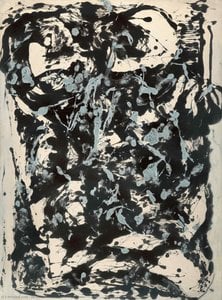
Awaiting Trial
복제본 규격
In the profound stillness of Bona Ezeudu’s 2011 masterpiece, "Awaiting Trial," the viewer is invited into a realm where the boundaries between the physical and the metaphysical begin to dissolve. This evocative oil painting serves as a hauntingly beautiful meditation on the human condition, captured through an expressive and gestural style that feels both ancient and urgently contemporary. At first glance, the canvas presents a striking contrast; a deep, somber background—infused with subtle, nocturnal whispers of blue and green—serves as the stage for a constellation of ethereal figures. These forms are not rendered with anatomical precision but are instead articulated through delicate white lines and luminous shapes that seem to pulse with an inner life, suggesting a movement that is as fluid as thought itself.
The technique employed by Ezeudu is nothing short of mesmerizing, characterized by visible, textured brushstrokes that lend the work a tactile depth. This impasto-like quality ensures that the painting is not merely a flat image but a living surface where light and shadow play a continuous game of hide-and-seek. The minimalist color palette focuses the observer's attention on the structural elegance of the white linework, which weaves through the darkness to interconnect the various figures. This web of light acts as a powerful symbol of human connection, communication, and the invisible threads of relationship that bind us all together, even in moments of profound isolation or uncertainty.
The title, "Awaiting Trial," casts a poignant shadow over the composition, imbuing the abstract forms with a heavy sense of psychological weight. There is an undeniable tension held within the frame—a feeling of suspended animation where characters stand on the precipice of judgment or transformation. While the dark atmosphere evokes the gravity of legal or moral reckoning, there is a countervailing sense of hope found in the upward trajectory of certain lines and shapes. This upward movement suggests a yearning for transcendence, an aspiration to rise above the darkness toward clarity and resolution. It is this duality—the tension between the somber reality of the "trial" and the luminous potential of the spirit—that gives the piece its enduring emotional resonance.
For the discerning collector or interior designer, "Awaiting Trial" offers more than just aesthetic beauty; it provides a profound focal point for spaces that demand intellectual and emotional depth. The painting’s ability to command attention through its stark contrasts makes it an ideal centerpiece for sophisticated environments, such as modern galleries, executive studies, or curated living spaces. As a high-quality reproduction, this work allows the dramatic interplay of Ezeudu's expressive lines to transform a room, inviting guests to linger and contemplate the complex tapestry of human interaction and the eternal wait for justice and truth.
"Awaiting Trial"은(는) Green to Violet Spectrum 톤에 가깝습니다.
"Awaiting Trial"은(는) Conversation 용도로 추천하며, Living Room 공간에 배치하기 좋습니다.
"Awaiting Trial"은(는) 디지털 이미지 페이지에서 직접 구매 가능한 고해상도 디지털 이미지 다운로드 형태로 제공됩니다.

Born in 1956 in the vibrant city of Jos, Nigeria, Bona Ezeudu’s artistic path wasn't merely chosen—it was a calling that resonated from an early foundation. His formative years were steeped in the rich cultural tapestry of his homeland, a landscape brimming with tradition, spirituality, and a burgeoning sense of national identity following independence. Ezeudu pursued formal training at the Institute of Management & Technology in Enugu, earning a Higher National Diploma which provided him with the technical skills to translate the visions brewing within him onto canvas and into sculpted form. However, his education extended far beyond the classroom; it was rooted in observation, experience, and an unwavering commitment to reflecting the complexities of Nigerian life.
Ezeudu quickly became a prominent figure within Nigeria’s dynamic art scene, notably as a founding member of the esteemed ‘Aka Circle’ of artists in 1986. This collective was pivotal in shaping contemporary Nigerian art, fostering a space for experimentation, dialogue, and shared artistic growth. The Aka Circle wasn't simply about stylistic unity; it was a brotherhood united by a desire to articulate a uniquely African aesthetic—one that acknowledged both its ancestral roots and the challenges of modernity. His early works demonstrate this exploration beautifully, characterized by rapid brushstrokes, bold color palettes, and a captivating energy. These paintings often depicted scenes from everyday life, imbued with a sense of movement and vitality. He didn’t shy away from exploring utilitarian art forms either, creating wrought iron sculptures that blended functionality with artistic expression.
The trajectory of Ezeudu's career took a profoundly personal turn in 2009 with the kidnapping of his only son, Lotachukwu. This devastating event brought his creative process to a standstill for over three years as he dedicated himself entirely to securing Lota’s safe return. This period wasn’t one of artistic dormancy, but rather a silent incubation—a time of immense grief and unwavering hope that would eventually find its voice through his art once more. When Ezeudu returned to the studio, it was with a renewed sense of purpose and an urgency born from profound loss. The works created in the aftermath of this tragedy are deeply moving testaments to the resilience of the human spirit.
Ezeudu’s art is not merely aesthetically pleasing; it's a powerful form of social commentary. His paintings often grapple with themes of injustice, loss, and the search for hope in the face of adversity. The series inspired by his son’s kidnapping—works like ‘Husband and Wife in Search of Their Son,’ ‘Awaiting Trial’, and ‘Family Re-Union’—are particularly poignant examples. These pieces are not sensationalistic depictions of trauma; instead, they offer a raw and honest portrayal of the emotional toll of violence and the enduring power of familial love. Beyond this deeply personal narrative, Ezeudu frequently explores broader societal issues through symbolic imagery and layered compositions. His work ‘Money Through the Ages II’ for example, uses gold hues and abstract forms to evoke interconnectedness and question the values placed on material wealth. The 'Ikenga' series delves into Igbo cosmology, representing strength, ambition, and personal achievement.
Bona Ezeudu stands as a significant figure in contemporary Nigerian art, not only for his technical skill and expressive style but also for his unwavering commitment to using art as a vehicle for social change. His membership in the Aka Circle helped establish a distinct Nigerian artistic voice on the global stage, while his personal journey—marked by both triumph and tragedy—has resonated deeply with audiences worldwide. He has established himself as an artist who fearlessly confronts difficult subjects, offering viewers not just beautiful images but also profound reflections on the human condition. His works are held in private collections and museums across Nigeria and beyond, ensuring that his powerful message of resilience, hope, and social consciousness will continue to inspire generations to come.

1956 - , Nigeria

Embark on a sophisticated journey through the history of line drawing. From classical mastery to modern minimalism, explore how the power of the line shapes emotion and space in fine art. Discover expert insights for collectors and enthusiasts of graphic elegance.

 실제 크기로 보기
 보내기
보내기 공유하기
공유하기
 상세 보기
상세 보기 가이드 보기

 이미지 다운로드
 유사 작품 더 보기
 X-레이
X-레이 슬라이드 쇼 보기
 통계 정보
통계 정보


 상세 보기
상세 보기






































 유리 옵션은 110cm 미만 크기에서만 선택 가능합니다.