작품의 원본 비율을 유지하는 미리 설정된 크기 중에서 선택하세요.

특정 프레임이나 공간에 맞도록 직접 크기를 입력할 수 있습니다. 선택하신 크기가 원본 이미지의 비율과 일치하지 않는 경우, 작품을 자르거나 추가적인 손으로 그린 요소를 사용하여 그림을 확장합니다. 제작 시작 전 승인을 위해 디지털 목업을 보내드립니다.
화면 미리 보기는 실제 자르기 또는 확장을 반영하지 않습니다. 최종 구성은 목업을 통해서만 정확하게 확인하실 수 있습니다.
맞춤 크기 제작도 가능하지만, 원본 비율을 유지하기 위해 사전 정의된 목록에서 크기를 선택하시는 것을 권장합니다.

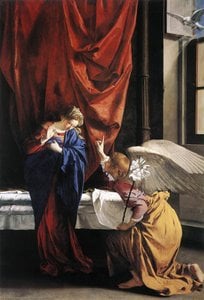
The Annunciation
복제본 크기

Born in the vibrant heart of Paris in 1649, Bon Boullogne emerged as a pivotal figure within the burgeoning artistic landscape of late seventeenth-century France. His life was inextricably woven into the very fabric of the French Baroque movement, a period defined by grandeur, drama, and an unyielding pursuit of aesthetic perfection. As the son of the esteemed painter and sculptor Louis Boullogne, Bon was raised in an environment where art was not merely a profession but a familial legacy. This upbringing, steeped in classical tradition, provided him with a profound understanding of form and technique from his earliest years. His father’s mentorship, which blended the structural discipline of sculpture with the fluid grace of painting, instilled in him a holistic appreciation for visual artistry that would become the hallmark of his mature works.
The trajectory of Boullogne's career was significantly shaped by his prestigious academic connections and his ability to navigate the highest echelons of French society. Through his father’s influence—notably demonstrated when Louis presented a work to the powerful Jean-Baptiste Colbert—Bon was granted the extraordinary opportunity to study at the Académie de France in Rome as a Pensionnaire du Roi. This period of residency in Italy allowed him to immerse himself in the masterpieces of the Renaissance and the burgeoning Baroque style, enabling him to refine his command over light and shadow. Upon his return to France, his reputation flourished, leading to significant commissions that placed him at the center of royal artistic endeavors.
Boullogne’s artistic style aligns squarely with the Baroque movement, a period characterized by its emotional intensity and theatricality. He possessed a remarkable ability to utilize chiarosc Century—the dramatic interplay between light and shadow—to create depth, tension, and a palpable sense of movement within his compositions. His works often feature figures arranged in dynamic, circular motions that draw the viewer’s eye into the heart of the narrative. Whether depicting a miraculous event or a classical myth, Boullogne infused his canvases with an energy that felt both monumental and intimate.
His repertoire was diverse, ranging from profound religious narratives to the elegance of mythological scenes. Some of his most notable thematic explorations include:
Beyond his individual canvases, Boullogne played a crucial role in shaping the visual identity of the French court. He was a key contributor to the opulent decoration of the Palace of Versailles, working alongside his talented siblings, including the celebrated painter Madeleine Boullogne. Together, they participated in the ambitious task of decorating the Grand Apartments, creating an environment of unparalleled splendor that reflected the absolute power and cultural sophistication of Louis XIV. This collaborative effort at Versailles cemented his status as a premier craftsman of the Grand Siècle.
The historical significance of Bon Boullogne lies not only in his individual achievements but also in his role as a bridge between the classical traditions of his father's generation and the more decorative, fluid sensibilities that would eventually lead toward the Rococo. His life, spanning from the height of the Baroque to the dawn of a new era, remains a testament to the enduring power of the French academic tradition. Through his mastery of composition, his dedication to narrative depth, and his contribution to the most iconic royal residences in Europe, Boullogne remains an essential figure for any student of seventeenth-century European art.

1649 - 1717 , France

Immerse yourself in the sacred grandeur of Baroque church interiors. Explore museum-quality, hand-painted oil reproductions and bespoke religious art commissions. From breathtaking frescoes to dramatic altarpieces, we bring historical majesty to your luxury space with unmatched expertise.


 미리보기
미리보기
 프린트 구매
 공유하기
공유하기 공유하기
공유하기
 상세 정보
상세 정보

 다운로드
다운로드
 유사 작품
유사 작품 X-레이
X-레이 슬라이드 쇼
 더 보기
더 보기






































 유리 옵션은 110cm 미만 크기에서만 선택 가능합니다.