
x


온라인 미리보기보다 훨씬 뛰어난 품질의 고해상도 디지털 이미지를 구매해 보세요.
각 파일은 사내 전문가가 고급 도구와 숙련된 수동 리터칭 기술을 사용하여 세심하게 준비합니다. 우리는 모든 이미지가 탁월한 선명도, 정확한 색상 재현력, 그리고 미세한 디테일까지 완벽하게 갖추도록 보장합니다.
최종 파일은 전문적인 편집 및 인쇄 환경에서 즉시 사용할 수 있도록 최적화되어 72시간 이내에 이메일로 발송됩니다. 이는 세계적인 디자인 스튜디오, 출판사 및 갤러리가 신뢰하는 것과 동일한 품질입니다.
개인 소장 및 전시, 인쇄, 창작 프로젝트를 위한 고해상도 파일을 다운로드하세요. ( 프린트 구매 손으로 그린 그림 구매)
WahooArt.com를 선택하시면 단순히 이미지를 받는 것을 넘어, 정밀한 보정 과정을 거친 전문적인 디지털 예술 작품을 만나보실 수 있습니다. 모든 작품에는 만족 보장 서비스가 함께 제공되며, 주문 시 다음과 같은 사항들이 자동으로 포함됩니다:

주문 후 72시간 이내에 고해상도 디지털 이미지 파일이 이메일로 발송되며, 즉시 사용하실 수 있습니다.

귀하의 작품은 고급 AI 도구와 수동 편집 과정을 거쳐 전문적으로 최적화되며, 이를 통해 디테일과 선명도, 색상의 정확도를 극대화합니다.

파일을 실수로 삭제하거나 분실하셨나요? 걱정 마세요. 언제든 무료로 다시 보내드립니다.

관세나 부가세, 배송비 부담 없이 작품을 즉시 감상하세요 - 디지털 다운로드는 언제나 면세 혜택이 적용됩니다.

전문적인 도구와 색상 관리 시스템을 통해 디지털 이미지가 원본의 색상을 최대한 정확하게 구현하도록 보장합니다.

구매하신 디지털 이미지에 만족하지 못하실 경우, 60일 이내에 수정 또는 100% 환불을 진행해 드립니다 - 어떠한 문의도 필요 없습니다.

만족하지 못하셨나요? 디지털 파일을 수령하신 후 60일 이내라면 별도의 이유를 밝힐 필요 없이 전액 환불해 드립니다.

이미지 3매 구매 시 10% 할인 - 5매 구매 시 15% 할인 - 10매 이상 구매 시 20% 할인. 크리에이티브 프로젝트, 갤러리, 에이전시에 매우 유용합니다.

Born Barrie Bates in Auckland, New Zealand, on December 31st, 1935, Billy Apple’s artistic journey was a radical transformation—a deliberate shedding of identity to forge a new persona entirely dedicated to exploring the intersection of art, commerce, and everyday life. His career spanned six decades, marked by a relentless experimentation with materials, concepts, and his own self-branding, ultimately establishing him as a pivotal figure in both Pop Art and Conceptual Art movements. Apple’s work wasn't simply about creating objects; it was about questioning the very nature of art itself – its value, its context, and its relationship to the world around us.
Early influences were surprisingly diverse. Bates’ initial training at Elam School of Fine Arts in Auckland exposed him to a burgeoning New Zealand art scene, but his true artistic awakening occurred during his studies at the Royal College of Art in London in 1959. There, amidst the vibrant and challenging environment of post-war British art, he encountered artists like David Hockney and Ridley Scott, absorbing their innovative approaches while simultaneously forging his own distinct path. This period laid the groundwork for his later embrace of Pop Art’s fascination with popular culture and its critique of consumerism – a theme that would become central to his practice.
In 1962, Bates dramatically reinvented himself as Billy Apple. This wasn't merely a name change; it was a complete artistic statement. He bleached his hair and eyebrows with Lady Clairol Instant Cremé Whip – a deliberate act of appropriation and subversion, immediately signaling a rejection of traditional notions of the artist’s persona. The creation of ‘Billy Apple’ coincided with a move to New York City in 1964, where he began to actively participate in the burgeoning Pop Art scene. This strategic rebranding allowed him to operate outside the constraints of personal identity and focus solely on his artistic vision.
Apple's early work in New York was characterized by a playful engagement with technology and consumer culture. The “American Supermarket” exhibition, curated by Ben Birillo in 1964, showcased everyday objects – produce, canned goods, advertisements – all created by prominent Pop artists, including Apple himself. This project brilliantly highlighted the blurring lines between art and commerce, reflecting the growing influence of mass media and advertising on society. Later, his exploration of neon signage—particularly in works like “Apples to Xerox” (1965) and “Neon Rainbows” (1965)—became a signature element, utilizing bright, synthetic light to draw attention to the artificiality of modern life.
As the 1970s progressed, Apple shifted his focus towards more conceptual approaches. He established ‘APPLE,’ a groundbreaking alternative exhibition space in New York City’s West Village in 1969. This wasn't simply a gallery; it was a self-contained environment designed to challenge conventional art practices and foster dialogue. ‘APPLE’ operated as both an exhibition venue and a forum for artistic experimentation, hosting works by artists like Geoff Hendricks, Larry Miller, and Davi Det Hompson. The space became a vital hub for the avant-garde, pushing boundaries and questioning established hierarchies within the art world.
Beyond ‘APPLE,’ Apple continued to develop his own unique system of branding and self-promotion. He created a line of products – “Billy Apple” cider, coffee, and even an apple variety – extending his artistic identity into the realm of commerce. This strategic move wasn’t merely about generating revenue; it was a deliberate exploration of the relationship between art and capital, questioning the very definition of value within the art market.
Billy Apple's influence on contemporary art is profound. He pioneered techniques like neon sculpture and self-branding, pushing the boundaries of artistic expression and challenging traditional notions of the artist’s role. His work continues to be exhibited internationally, recognized for its conceptual rigor, playful experimentation, and critical engagement with society. Apple’s legacy extends beyond his individual artworks; he fundamentally altered the way artists approached their practice, demonstrating the power of self-invention and the potential for art to operate as a commentary on the world around us. He died in Auckland, New Zealand, on September 6th, 2021, leaving behind a body of work that remains both provocative and deeply insightful.
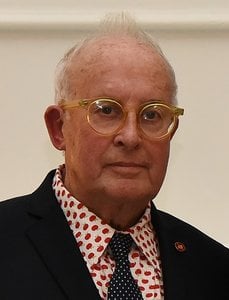
1935 - 2021


최신 미술 뉴스, 특별 혜택 및 인테리어 아이디어를 가장 먼저 만나보세요.
프로젝트에 대해 알려주시면 저희 미술 전문가들이 맞춤형 아트 제안 3가지를 전달해 드립니다.
당신만을 위한 맞춤형 옵션 3가지를 무료로 추천해 드립니다!


 미리보기
미리보기
 공유하기
공유하기 공유하기
공유하기
 상세 정보
상세 정보

 다운로드
다운로드
 유사 작품
유사 작품 X-레이
X-레이 슬라이드 쇼
 더 보기
더 보기


