
 Oil On CanvasWallArtImpressionist Painting
 1886
1886 85.0 x 94.0 cm
 마르모탄 모네 미술관
원하는 크기와 액자로 주문 제작되는, 작가들이 직접 캔버스에 손으로 그린 유화 작품입니다. ( 프린트 판매로 전환 디지털 이미지로 전환)





























작품의 원본 비율을 유지하는 미리 설정된 크기 중에서 선택하세요.

특정 프레임이나 공간에 맞도록 직접 크기를 입력할 수 있습니다. 선택하신 크기가 원본 이미지의 비율과 일치하지 않는 경우, 작품을 자르거나 추가적인 손으로 그린 요소를 사용하여 그림을 확장합니다. 제작 시작 전 승인을 위해 디지털 목업을 보내드립니다.
화면 미리 보기는 실제 자르기 또는 확장을 반영하지 않습니다. 최종 구성은 목업을 통해서만 정확하게 확인하실 수 있습니다.
맞춤 크기 제작도 가능하지만, 원본 비율을 유지하기 위해 사전 정의된 목록에서 크기를 선택하시는 것을 권장합니다.

Paule Gobillard Painting
복제본 크기
Berthe Morisot's "Paule Gobillard Painting," a captivating portrait completed in 1886, offers a rare glimpse into the quiet intimacy of everyday life during the Impressionist era. More than simply a depiction of a young woman, it’s a study in light, color, and the subtle nuances of human connection—a testament to Morisot's remarkable ability to capture fleeting moments of beauty within the domestic sphere. The painting resides at the Musée Marmottan Monet in Paris, a fitting home for this delicate yet powerful work, surrounded by other masterpieces of the Impressionist movement.
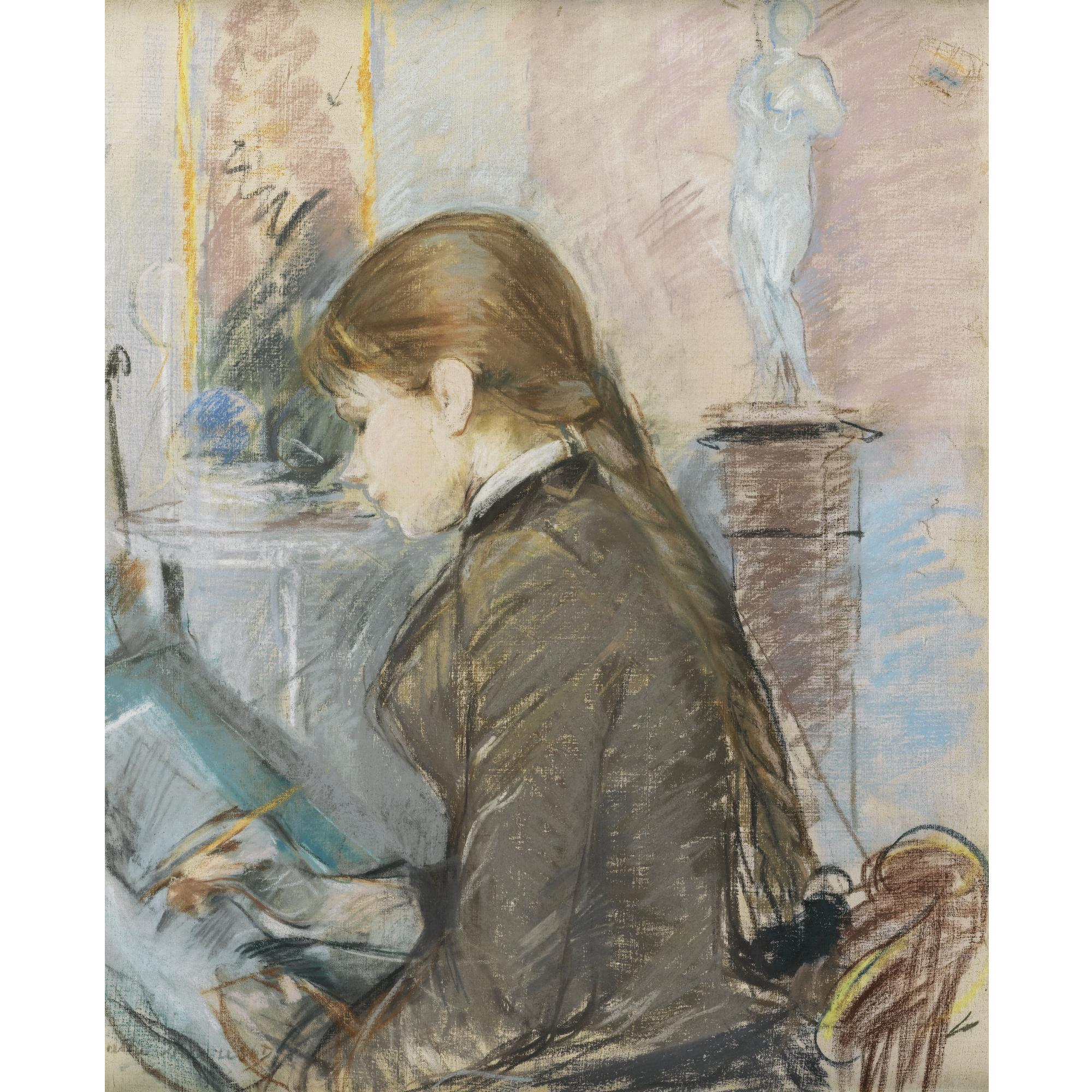
At first glance, the scene is remarkably simple: Paule Gobillard, a niece of Morisot and daughter of Yves Gobillard, sits poised before a chair, her hands resting gently on a small table. She holds a plate or basket – its contents obscured, inviting the viewer’s imagination to fill in the details. The room itself is bathed in soft light, filtered through the window, creating an atmosphere of serene tranquility. Yet, it's within these seemingly ordinary elements that Morisot’s genius shines through.
Morisot was a master of capturing the ephemeral qualities of light and color—a hallmark of the Impressionist movement. She employed loose, broken brushstrokes, layering hues to create an effect of shimmering luminosity. Notice how she uses delicate washes of pinks, blues, and greens to define the fabrics and shadows, avoiding sharp outlines or precise details. This technique allows the colors to blend and mingle, mimicking the way light actually interacts with surfaces. The painting’s composition is carefully balanced, drawing the eye to Paule's face—her expression serene and contemplative. Morisot’s use of a limited palette contributes to the painting’s overall sense of harmony and tranquility.
The choice of canvas size – 85 x 94 cm – further enhances the intimacy of the scene. It feels as though we are invited into a private moment, observing a familiar domestic tableau. The brushwork is remarkably free and expressive, reflecting Morisot’s commitment to capturing the immediacy of her observations rather than creating a meticulously rendered representation.
“Paule Gobillard Painting” offers a poignant glimpse into the lives of women during the late 19th century. Berthe Morisot herself was a pioneering female artist in a male-dominated field, often painting scenes of domestic life—a subject that was typically relegated to the role of a secondary genre. By focusing on Paule Gobillard, Morisot elevates this everyday subject matter, imbuing it with a sense of dignity and grace. The inclusion of the vase and chair suggests a comfortable, familiar setting – a space for quiet contemplation and connection.
The painting’s historical context is also significant. It was created during a period of rapid social change in France, as industrialization transformed urban landscapes and traditional ways of life. Morisot's work reflects this shift, capturing the lingering traces of rural beauty amidst the encroaching modernity. The portrait speaks to the quiet resilience and understated elegance of women navigating these changing times.
For art enthusiasts seeking to experience the beauty and emotional depth of “Paule Gobillard Painting,” high-quality reproductions are readily available through platforms like WahooArt.com, offering meticulously crafted oil painting recreations that faithfully capture Morisot’s artistic vision. This allows a wider audience to appreciate the nuances of her technique and the profound insights she offers into the human experience. Consider this piece not just as a beautiful image, but as a window into a specific moment in art history—a testament to the enduring power of Impressionism.


1841 - 1895 , 프랑스

Explore the profound resurgence of female masters Artemisia Gentileschi and Berthe Morisot. Discover how their revolutionary use of light, shadow, and intimacy redefined art history and continues to inspire sophisticated modern collections.

Discover the profound beauty of domestic scene art. Explore how masterworks of genre painting capture intimacy and history, offering timeless elegance for the discerning collector seeking to infuse their home with soul and sophistication.

Master the nuances of Impressionism vs. Post-Impressionism with our expert guide. Explore the revolutionary shift from Monet’s fleeting light to Van Gogh’s emotional depth. Discover how these iconic movements continue to inspire fine art collectors and modern interiors today.

Discover the profound allure of oil on canvas. Explore the mastery of impasto textures, the science of pigment longevity, and expert guides to selecting museum-quality reproductions that elevate your collection with timeless elegance and tactile depth.


 미리보기
미리보기
 공유하기
공유하기 공유하기
공유하기
 상세 정보
상세 정보

 다운로드
다운로드
 유사 작품
유사 작품 X-레이
X-레이 슬라이드 쇼
 통계 정보
통계 정보 더 보기
더 보기









 유리 옵션은 110cm 미만 크기에서만 선택 가능합니다.


