
 Acrylic On CanvasWallArtImpressionist Painting
 1875
1875 24.0 x 51.0 cm
 버지니아 미술관
원하는 크기와 액자로 주문 제작되는, 작가들이 직접 캔버스에 손으로 그린 유화 작품입니다. ( 프린트 판매로 전환 디지털 이미지로 전환)





























작품의 원본 비율을 유지하는 미리 설정된 크기 중에서 선택하세요.

특정 프레임이나 공간에 맞도록 직접 크기를 입력할 수 있습니다. 선택하신 크기가 원본 이미지의 비율과 일치하지 않는 경우, 작품을 자르거나 추가적인 손으로 그린 요소를 사용하여 그림을 확장합니다. 제작 시작 전 승인을 위해 디지털 목업을 보내드립니다.
화면 미리 보기는 실제 자르기 또는 확장을 반영하지 않습니다. 최종 구성은 목업을 통해서만 정확하게 확인하실 수 있습니다.
맞춤 크기 제작도 가능하지만, 원본 비율을 유지하기 위해 사전 정의된 목록에서 크기를 선택하시는 것을 권장합니다.

On the Beach
복제본 크기
Berthe Morisot’s “On the Beach,” painted in 1875, isn't merely a depiction of a seaside scene; it’s an exquisite distillation of Impressionist philosophy. The canvas breathes with a quiet serenity, capturing not just the visual appearance of a summer afternoon but also the elusive feeling of leisure and connection to nature that defined the era. Morisot, a key figure within the burgeoning Impressionist movement, eschewed the rigid academic traditions of her time, instead prioritizing fleeting moments of light, color, and emotion – elements powerfully evident in this work. The painting’s strength lies not in dramatic action or bold statement, but in its subtle nuances, inviting the viewer to linger and contemplate the quiet beauty of a shared experience.
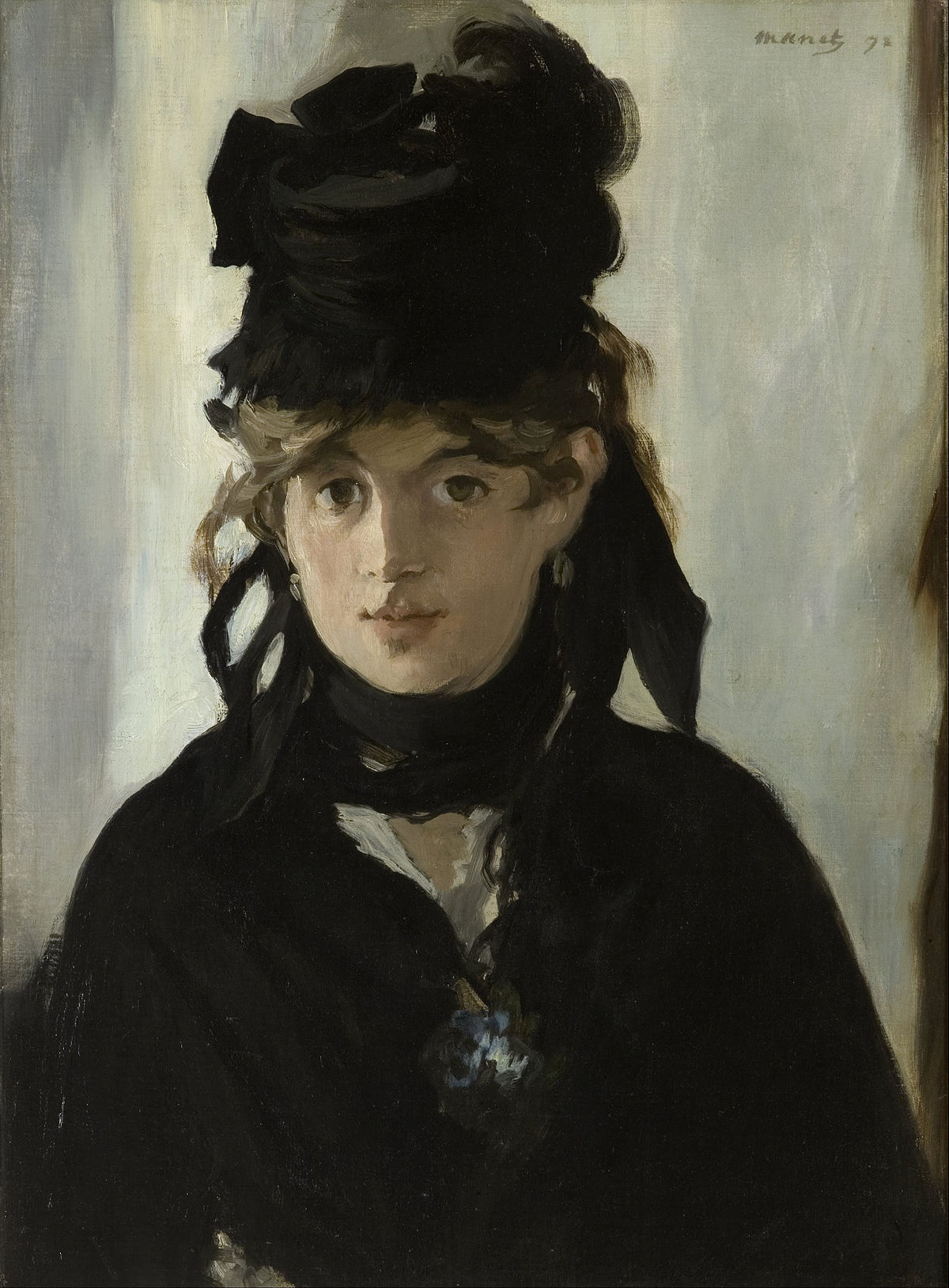
Morisot’s mastery is revealed in her masterful use of technique. The painting is executed in oil on canvas, a medium that allowed for both rich color saturation and the delicate layering characteristic of Impressionism. Notice how she employs loose, broken brushstrokes – almost hesitant at times – to capture the shimmering effect of sunlight on water and sand. These aren’t blended or smoothed; instead, they retain their individual texture, creating a vibrant sense of movement and immediacy. The palette is remarkably restrained, dominated by soft blues, greens, and ochres, punctuated by the warm tones of parasols and skin. This careful selection of colors contributes to the painting's overall atmosphere of tranquility and warmth.
“On the Beach” offers a poignant glimpse into the leisure activities of late 19th-century France, a time when seaside resorts were becoming increasingly popular among the upper classes. The scene depicts a small group of individuals enjoying a day at the beach – a couple relaxing under an umbrella, children playing in the sand, and others strolling along the shore. The presence of boats in the background hints at the connection between land and sea, while the parasols provide shade from the sun. Morisot’s focus isn't on grand spectacle but rather on capturing the intimate moments of human interaction within this idyllic setting. The painting subtly speaks to a desire for escape and connection with nature – themes that resonate even today.
Beyond its surface beauty, “On the Beach” is rich in symbolic meaning. The beach itself represents transition and renewal, a place of respite from the pressures of urban life. The figures are not sharply defined; they seem almost dreamlike, lost in their own thoughts and enjoying the simple pleasures of the moment. The muted colors and soft light contribute to a sense of melancholy and nostalgia, suggesting that these fleeting moments of happiness are precious and transient. Morisot’s ability to evoke such complex emotions with such understated elegance is what elevates “On the Beach” beyond a mere landscape painting – it's a meditation on beauty, memory, and the human condition.


1841 - 1895 , 프랑스

Explore the profound resurgence of female masters Artemisia Gentileschi and Berthe Morisot. Discover how their revolutionary use of light, shadow, and intimacy redefined art history and continues to inspire sophisticated modern collections.

Master the nuances of Impressionism vs. Post-Impressionism with our expert guide. Explore the revolutionary shift from Monet’s fleeting light to Van Gogh’s emotional depth. Discover how these iconic movements continue to inspire fine art collectors and modern interiors today.


 미리보기
미리보기
 공유하기
공유하기 공유하기
공유하기
 상세 정보
상세 정보

 다운로드
다운로드
 유사 작품
유사 작품 X-레이
X-레이 슬라이드 쇼
 통계 정보
통계 정보 더 보기
더 보기









 유리 옵션은 110cm 미만 크기에서만 선택 가능합니다.


