
 GlassSculpture
 1900Modern
 72.0 x 58.0 cm
 National Museum of Ethnology
빠른 제작과 다양한 마감 옵션을 제공하는 박물관 품질의 지클레이 또는 캔버스 프린트. ( 손으로 그린 그림 구매 디지털 이미지로 전환)
작품의 원본 비율을 유지하는 미리 설정된 크기 중에서 선택하세요.

특정 프레임이나 공간에 맞춰 직접 치수를 입력하실 수 있습니다. 선택하신 사이즈가 원본 이미지의 비율과 일치하지 않을 경우, 작품을 크롭(자르기)하거나 이미지를 대칭 또는 단색 채우기로 확장하여 제작합니다. 제작 시작 전, 최종 확인을 위해 디지털 목업이 전송됩니다.
화면상의 미리보기는 실제 크롭이나 확장 상태를 반영하지 않으므로, 최종 구도는 오직 목업을 통해서만 정확하게 확인하실 수 있습니다.
맞춤 사이즈 제작도 가능하지만, 원본 비율을 유지하기 위해서는 사전 정의된 목록에서 치수를 선택하시는 것을 권장합니다.

Under the olive tree
복제본 크기
In the delicate interplay of light and pigment, "Under the olive tree" emerges as a breathtaking window into a bygone era of Portuguese pastoral charm. Painted by the versatile Bernardo Loureiro Marques, this exquisite work on glass transcends mere decoration, offering instead a lush, immersive experience. The composition centers on a tender moment: a woman seated peacefully beneath the silver-green canopy of an ancient olive tree, while a man stands sentinel behind her. They are enveloped in a vibrant tapestry of flora and fauna, where every petal and leaf seems to pulse with life. This is not merely a landscape; it is a choreographed dance of nature and humanity, where the background figures—lost in quiet conversation or gentle leisure—add layers of social depth, suggesting a communal harmony that feels both timeless and deeply nostalgic.
The technique employed by Marques is nothing short of masterful. By utilizing glass as his canvas, the artist achieves a luminous translucency that traditional oil on canvas often struggles to replicate. This medium allows light to penetrate the pigment, giving the lush greenery and floral accents an inner glow that mimics the dapp-lit reality of a Mediterranean afternoon. The style reflects a sophisticated blend of decorative grace and poetic realism. While Marques was known for his sharp, satirical caricatures, here he embraces a softer, more lyrical approach. The brushwork is fluid yet precise, creating a sense of movement within the foliage that invites the viewer to linger, searching for the subtle details hidden within the shadows of the olive branches.
To behold this painting is to touch a piece of Portuguese history. Created around 1900, the work belongs to a larger, ambitious set of twelve panels that were once intended to showcase the beauty of Portuguese folk art on an international stage. The historical context is deeply intertwined with the political and cultural movements of the early 20th century in Portugal, specifically linked to the era of the Secretariado de Propaganda Nacional (SPN). The presence of a popular quatrain inscribed at the bottom of the composition serves as a poignant connection to the oral traditions and the soul of the Portuguese people. This piece was not merely an aesthetic object but a vessel for national identity, designed to evoke pride and cultural continuity.
For the discerning collector or interior designer, "Under the olive tree" offers more than just visual beauty; it provides a narrative anchor for a room. The painting carries an emotional weight of tranquility and romanticism, making it an ideal centerpiece for spaces designed for reflection or sophisticated entertaining. Whether placed in a sun-drenched morning room to highlight its luminous glass technique or in a formal study to honor its historical significance, a high-quality reproduction of this masterpiece brings with it an aura of cultured elegance. It is an invitation to step away from the frenetic pace of modern life and find solace under the shade of history's most enduring trees.

1898 - 1962 , 포르투갈
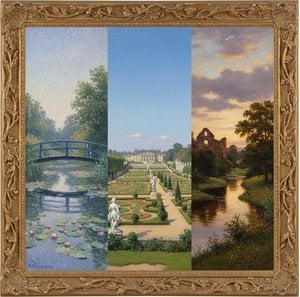
Embark on a visual journey through the serene beauty of gardens and parks in fine art. Discover how master artists capture nature's tranquility through impressionistic blooms and classical landscapes to bring timeless elegance into your home collection.

Embark on a visual journey through the world's most serene parks. Discover how master artists capture light, texture, and tranquility through exquisite oil paintings and botanical landscapes designed for the discerning art enthusiast.
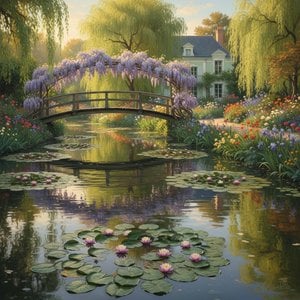
Embark on a visual journey through Claude Monet's Giverny. Discover the enchanting light, vibrant colors, and breathtaking landscapes of his legendary gardens through an expert exploration of Impressionist mastery and timeless beauty.


 공유하기
공유하기 공유하기
공유하기
 상세 정보
상세 정보

 다운로드
다운로드
 유사 작품
유사 작품 슬라이드 쇼
 통계 정보
통계 정보 더 보기
더 보기






































 유리 옵션은 110cm 미만 크기에서만 선택 가능합니다.


![Olive Trees [1889] — 빈센트 반 고흐, Post-impressionism](/media/artworks/images-thumb/e4/68/e4688f7160b2dc16059fc15af708ca73.jpg)


