

빠른 제작과 다양한 마감 옵션을 선택할 수 있는 박물관 수준의 지클레이 및 캔버스 프린트. ( 수작업 채색 복제본 주문하기 디지털 이미지 판매 채널로 전환)





























작품의 원본 비율을 그대로 유지하는 프리셋 사이즈 중에서 선택해 보세요.

액자나 벽면 크기에 맞춰 필요한 가로와 세로 길이를 입력해 주세요. 프린트는 원본 이미지보다 크게 제작할 수 없으며 오직 자르는 것만 가능하므로, 비율이 다른 사이즈를 선택할 경우 이미지의 일부가 잘려 나갈 수 있습니다. 인쇄 작업에 들어가기 전, 최종 확인을 위해 디지털 목업을 보내드립니다. 이 페이지에 표시된 이미지는 실제 잘리는 영역을 나타내지 않으며, 오직 목업을 통해서만 정확한 확인이 가능합니다.
The Three Sisters
복제본 규격
Benjamin West's "The Three Sisters," painted in 1783, is more than just a charming depiction of three women enjoying a pastoral afternoon; it’s a carefully constructed tableau brimming with classical allusion, subtle symbolism, and the burgeoning spirit of American artistic identity. This drawing, remarkably preserved despite its relatively informal nature for West's oeuvre, offers a fascinating glimpse into the artist’s evolving style and his engagement with both European traditions and nascent notions of national art.
The scene unfolds within a lush, verdant garden – a deliberate choice that immediately evokes the idealized landscapes favored by artists of the Neoclassical period. The women themselves are rendered with an exquisite sense of elegance and composure. Their postures suggest relaxed conversation, yet there’s a palpable grace in their movements, mirroring the mythological Three Graces—symbols of beauty, charm, and joy. West masterfully captures this ethereal quality through loose, flowing lines and a delicate handling of charcoal, creating a sense of movement and vitality that belies the drawing's static composition. The arrangement of the figures – one seated on a bench, another gathering flowers, and the third reaching for a basket – establishes a harmonious balance, reflecting West’s deep understanding of classical principles of proportion and perspective.
Close examination reveals intriguing connections to earlier artistic traditions. The figure on the right, holding a sweet expression, bears a striking resemblance to a portrait attributed to Leonardo da Vinci—a detail that speaks volumes about West’s admiration for the Renaissance master. This deliberate homage underscores West's commitment to studying and mastering the techniques of his predecessors, while simultaneously asserting his own artistic voice. The drawing’s overall composition also echoes classical Roman frescoes, particularly those depicting scenes from mythology or pastoral life. West was deeply influenced by the study of ancient ruins during his travels in Italy, and this influence is evident in the careful attention to detail, the balanced arrangement of elements, and the idealized portrayal of the figures.
Furthermore, the inclusion of a woven basket filled with flowers hints at themes of fertility and abundance—a common motif in classical art. The women’s attire, though simple, suggests a connection to nature and a celebration of rural life. West's choice of subject matter reflects the prevailing artistic trends of the late 18th century, which favored scenes of idyllic beauty and moral virtue. However, unlike many of his contemporaries, West infused this genre with a distinctly American sensibility—a quiet dignity and an understated elegance that set him apart from the more overtly theatrical works produced in Europe.
Interestingly, the drawing's creation presents a slight anomaly within West’s established practice. Typically, artists of his generation meticulously prepared detailed sketches to serve as blueprints for larger paintings. The fact that this drawing lacks such preparatory studies is somewhat perplexing—suggesting perhaps an experiment in capturing a fleeting moment or a spontaneous impression. This informality contrasts sharply with the more rigorously planned and executed works that characterized much of West’s career, adding another layer of intrigue to its interpretation.
The loose manner in which he handled his pen here contrasts sharply with the more highly finished quality of his paintings. The drawing's lack of a direct connection to any known work by the artist is also noteworthy—a detail that has fueled speculation about its origins and purpose. Despite these uncertainties, “The Three Sisters” remains a testament to West’s artistic versatility and his enduring legacy as one of America’s first major painters.
“The Three Sisters” possesses an undeniable appeal that transcends its historical context. Its serene beauty, graceful figures, and subtle symbolism continue to resonate with viewers today. The drawing's delicate charcoal lines evoke a sense of intimacy and warmth, while the lush garden setting creates a feeling of tranquility and escape. Its composition—a harmonious blend of classical ideals and American sensibility—makes it an ideal subject for reproduction in interior design settings, bringing a touch of timeless elegance to any space. Collectors appreciate its historical significance and artistic merit, recognizing it as a pivotal work in the development of American art.
"The Three Sisters"은(는) 1783년에 벤자민 웨스트에 의해 제작되었습니다.
Living Room 공간에는 벤자민 웨스트의 "The Three Sisters" 작품을 Medium 크기로 인쇄하시는 것을 추천합니다.
벤자민 웨스트의 "The Three Sisters"의 프린트를 구매하시려면, 해당 작품의 파인 아트 프린트 페이지에서 간단히 주문하실 수 있습니다: 코튼 캔버스 또는 아카이브용 캔버스지에 인쇄된 파인 아트 프린트.


1738 - 1820 , 미국

Explore the refined world of Neoclassical portraiture. Discover the mastery of line, light, and order through an expert exploration of academic art history, from Jacques-Louis David to Jean-Antoine Houdon. Immerse yourself in the timeless elegance of classical realism.

Explore the profound elegance of Neoclassical art. Discover the principles of order, symmetry, and virtue through the works of masters like David and Mengs. Immerse yourself in a journey of classical grace and timeless aesthetic perfection.
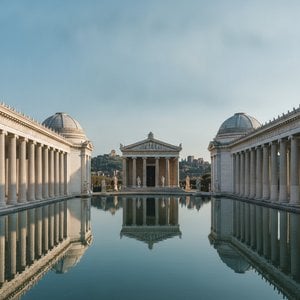
Discover the profound elegance of Neoclassicism. Explore how the pursuit of order, symmetry, and Greco-Roman ideals created a timeless aesthetic for collectors seeking grandeur and intellectual depth in fine art and architecture.

Master the nuances of three-dimensional art with our expert guide. Explore sculptural history, from Phidias to Neoclassicism, and learn to evaluate materiality, form, and technique like a true connoisseur. Elevate your collection with profound insights into the world of sculpture.

 실제 크기로 보기
 보내기
보내기 공유하기
공유하기
 상세 보기
상세 보기 가이드 보기

 이미지 다운로드
 유사 작품 더 보기
 X-레이
X-레이 슬라이드 쇼 보기
 통계 정보
통계 정보


 상세 보기
상세 보기









 유리 옵션은 110cm 미만 크기에서만 선택 가능합니다.


