

작가가 직접 캔버스에 손으로 그린 유화 작품으로, 원하는 크기와 액자로 맞춤 제작해 드립니다. ( 프린트 판매로 전환 디지털 이미지 판매 채널로 전환)





























작품의 원본 비율을 그대로 유지하는 프리셋 사이즈 중에서 선택해 보세요.

액자나 벽면 크기에 맞춰 필요한 가로와 세로 길이를 입력해 주세요. 본 작품은 수작업으로 제작되므로, 요청하신 비율에 따라 작가가 그림의 가장자리를 조금 더 넓게 그리거나 일부를 조정하여 작업할 수 있습니다. 작업 시작 전, 최종 확인을 위해 디지털 목업 이미지를 보내드립니다. 이 페이지에 표시된 이미지는 실제 결과물과 다를 수 있으며, 오직 목업 이미지만이 정확한 결과물을 보여줍니다.
The Last Supper
복제본 규격
Benjamin West's "The Last Supper," painted in 1786, isn’t merely a depiction of a biblical event; it’s a profound exploration of human emotion and the genesis of faith. This monumental oil on canvas, currently residing at the Detroit Institute of Arts, transcends its historical subject matter to become a timeless meditation on betrayal, disbelief, and the quiet dignity of sacrifice. West, a pivotal figure bridging the worlds of Neoclassicism and burgeoning American artistic identity, masterfully captures the palpable tension within the room as Jesus reveals his impending doom to his disciples. The painting’s power lies not just in its subject matter but in the artist's ability to translate complex theological concepts into a visually arresting and emotionally resonant experience.

West’s compositional choices are immediately striking, firmly rooted in the principles of Neoclassicism. He eschews the swirling dynamism of Romanticism for a carefully structured scene reminiscent of classical Roman frescoes. The figures – Jesus at the head of the table, surrounded by his twelve disciples – are rendered with an almost sculptural quality, their bodies and drapery meticulously observed and flawlessly executed. The setting itself is deliberately austere, evoking the formality and gravity associated with religious gatherings in the era. However, it’s West's masterful use of light and shadow—chiaroscuro—that truly elevates the painting to a higher plane. A single, dramatic light source illuminates the faces of the disciples, highlighting their shock, confusion, and despair. This strategic lighting not only draws the viewer’s eye but also intensifies the emotional impact of the scene, creating a sense of foreboding and impending tragedy.
Beyond its formal elements, “The Last Supper” is rich in symbolic meaning. Judas Iscariot, positioned prominently in the foreground—a sickly green shadow enveloping his figure—is not simply a villain but a symbol of corruption and betrayal. West deliberately casts him as oversized, emphasizing his transgression against the group. The disciples’ reactions are equally significant; their gestures, expressions, and body language reveal a spectrum of emotions – disbelief, sorrow, anger, and fear. West doesn't offer easy answers or simplistic portrayals; instead, he presents a complex psychological drama, inviting viewers to contemplate the human condition and the consequences of betrayal.
“The Last Supper” stands as a pivotal work in art history, profoundly influencing subsequent generations of artists. West’s dramatic composition and masterful use of light and shadow were adopted by painters like Tintoretto and Poussin, demonstrating the painting's enduring impact. Furthermore, it reflects the artistic currents of its time – the rise of Neoclassicism, the growing interest in historical subjects, and the exploration of human emotion within a religious context. Reproductions offered by WahooArt.com allow you to experience this masterpiece firsthand, bringing West’s profound vision into your home or studio. For those seeking further insight, we encourage you to explore the Detroit Institute of Arts website and the extensive resources available on WahooArt.com.
벤자민 웨스트은(는) 벤자민 웨스트 클린데인스트, Benjamin West Clinedinst, 웨스트 벤자민, 클린데인스트 벤자민 웨스트(으)로도 알려져 있습니다.
Dramatic 분위기를 자아내는 "The Last Supper"은(는) Living Room에 추천합니다.
전반적으로 "The Last Supper"의 밝기는 deep_shadow로 기록되었습니다. 인지된 밝기는 작품이 얼마나 밝거나 어둡게 보이는지를 나타냅니다.

1738 - 1820 , 미국

Explore the profound tension between Neoclassicism's rational order and Romanticism's emotional depth. An expert journey through the masters of art history, from David to Delacroix, perfect for collectors and enthusiasts seeking a deeper understanding of artistic evolution.

Explore the grandeur of Neoclassicism. Discover how the principles of symmetry, order, and classical antiquity continue to inspire timeless elegance in art history and sophisticated modern interiors through expert analysis and museum-quality mastery.

Transform last-minute gift panic into a moment of pure luxury. WahooArt Express delivers premium, hand-painted custom oil masterpieces in under 3 weeks. Perfect for wedding planners seeking timeless, bespoke legacies for their clients. Trust our museum-quality artistry and global delivery.
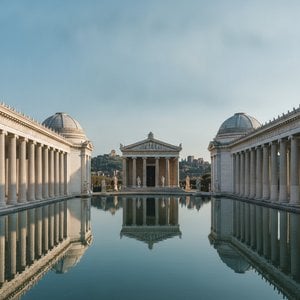
Discover the profound elegance of Neoclassicism. Explore how the pursuit of order, symmetry, and Greco-Roman ideals created a timeless aesthetic for collectors seeking grandeur and intellectual depth in fine art and architecture.

Explore the profound artistry of The Last Supper through an art historian's lens. From Leonardo da Vinci’s genius to diverse Renaissance interpretations, discover the symbolism and technique behind history's most iconic sacred depictions.

 실제 크기로 보기
 보내기
보내기 공유하기
공유하기
 상세 보기
상세 보기 가이드 보기

 이미지 다운로드
 유사 작품 더 보기
 X-레이
X-레이 슬라이드 쇼 보기
 통계 정보
통계 정보


 상세 보기
상세 보기









 유리 옵션은 110cm 미만 크기에서만 선택 가능합니다.


