무료 아트 컨설팅

x
프린트 구매하기 프린트 구매하기작품 구매하기 작품 구매하기 공유하기공유하기
DetailsDetails 즐겨찾기에 추가 즐겨찾기에 추가 다운로드다운로드 유사 작품유사 작품 X-RayX-Ray 슬라이드 쇼슬라이드 쇼

Constructive Town

Discover Béla Kádár (1877-1956), a Hungarian pioneer of avant-garde art! Explore his vibrant paintings blending Expressionism, Cubism & Neo-Primitivism in evocative scenes of village life and bold abstract compositions.

온라인 미리보기보다 훨씬 뛰어난 품질의 고해상도 디지털 이미지를 구매해 보세요.

각 파일은 사내 전문가가 고급 도구와 숙련된 수동 리터칭 기술을 사용하여 세심하게 준비합니다. 우리는 모든 이미지가 탁월한 선명도, 정확한 색상 재현력, 그리고 미세한 디테일까지 완벽하게 갖추도록 보장합니다.

최종 파일은 전문적인 편집 및 인쇄 환경에서 즉시 사용할 수 있도록 최적화되어 72시간 이내에 이메일로 발송됩니다. 이는 세계적인 디자인 스튜디오, 출판사 및 갤러리가 신뢰하는 것과 동일한 품질입니다.

디지털 이미지

개인 소장 및 전시, 인쇄, 창작 프로젝트를 위한 고해상도 파일을 다운로드하세요.

최종 결제 금액

$9.99

모든 디지털 이미지 주문에 포함된 혜택

전문적인 디지털 이미지 전송 보장

WahooArt.com를 선택하시면 단순히 이미지를 받는 것을 넘어, 정밀한 보정 과정을 거친 전문적인 디지털 예술 작품을 만나보실 수 있습니다. 모든 작품에는 만족 보장 서비스가 함께 제공되며, 주문 시 다음과 같은 사항들이 자동으로 포함됩니다:

shipping_icon
빠른 이메일 전송

주문 후 72시간 이내에 고해상도 디지털 이미지 파일이 이메일로 발송되며, 즉시 사용하실 수 있습니다.

canvas_icon
AI 기술로 향상된 디지털 파일

귀하의 작품은 고급 AI 도구와 수동 편집 과정을 거쳐 전문적으로 최적화되며, 이를 통해 디테일과 선명도, 색상의 정확도를 극대화합니다.

insurance_icon
평생 무료 재전송 서비스

파일을 실수로 삭제하거나 분실하셨나요? 걱정 마세요. 언제든 무료로 다시 보내드립니다.

tax_icon
추가 수입 비용 없음 - 언제나

관세나 부가세, 배송비 부담 없이 작품을 즉시 감상하세요 - 디지털 다운로드는 언제나 면세 혜택이 적용됩니다.

color_icon
정확한 색상 보장

전문적인 도구와 색상 관리 시스템을 통해 디지털 이미지가 원본의 색상을 최대한 정확하게 구현하도록 보장합니다.

return_icon
60일 만족 보장제

구매하신 디지털 이미지에 만족하지 못하실 경우, 60일 이내에 수정 또는 100% 환불을 진행해 드립니다 - 어떠한 문의도 필요 없습니다.

guarantee_icon
100% 환불 보장

만족하지 못하셨나요? 디지털 파일을 수령하신 후 60일 이내라면 별도의 이유를 밝힐 필요 없이 전액 환불해 드립니다.

discount_icon
대량 주문 할인

이미지 3매 구매 시 10% 할인 - 5매 구매 시 15% 할인 - 10매 이상 구매 시 20% 할인. 크리에이티브 프로젝트, 갤러리, 에이전시에 매우 유용합니다.


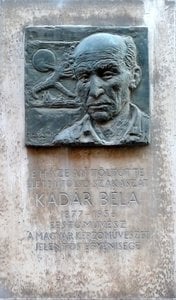
작가 소개

A Hungarian Voice of the Avant-Garde: The Life and Art of Béla Kádár

Born into a working-class Jewish family in Budapest in 1877, Béla Kádár’s journey to becoming a pivotal figure in early 20th-century avant-garde art was one forged through both hardship and an unwavering dedication to artistic exploration. His formal education was limited to six years, yet this lack of traditional schooling seemed to liberate him from conventional constraints, allowing for a uniquely personal visual language to emerge. Kádár began his professional life not with a brush in hand, but as an apprentice iron-turner – a trade that profoundly impacted his artistic sensibilities, instilling within him a deep understanding of form, structure, and the inherent beauty found within industrial materials. Even in these early years, however, his creative spirit shone through; he initially focused on painting murals throughout Budapest, demonstrating an innate inclination towards large-scale visual expression and storytelling. This foundational period laid the groundwork for the bold and dynamic compositions that would later define his oeuvre.

Paris, Berlin, and a Synthesis of Styles

The true catalyst for Kádár’s artistic development arrived with his travels to Paris and Berlin in 1910. These journeys exposed him to the burgeoning avant-garde movements sweeping across Western Europe, irrevocably altering his artistic trajectory. He encountered the radical ideas of Der Blaue Reiter, the fragmented forms of Cubism, the dynamism of Futurism, and the raw energy of Neo-Primitivism – influences that he didn’t simply adopt wholesale, but rather synthesized into a distinctive visual vocabulary all his own. Kádár wasn't content to align himself with any single “school” of thought; instead, he embarked on a constant exploration of form, color, and composition, driven by an insatiable desire to break free from the constraints of traditional representational art. He absorbed elements from Constructivism and even the dreamlike qualities of Metaphysical painting, weaving them together in a complex tapestry that reflected his unique perspective. This period marked a crucial turning point, transforming him from a promising muralist into a truly innovative artist on the cusp of international recognition.

Recognition and International Exposure

Kádár’s breakthrough moment arrived in October 1923 with an exhibition at Herwarth Walden's prestigious Galerie der Sturm in Berlin. This showcase presented his work in a distinctly Expressionist style, immediately garnering attention and establishing him as a force to be reckoned with within the European art scene. The gallery, known for championing radical new artistic voices, provided Kádár with an ideal platform to connect with collectors and fellow artists who shared his commitment to experimentation. Further bolstering his international profile were two exhibitions organized by Katherine Dreier at the Brooklyn Museum of Art in New York City, in 1926 and 1928. Notably, Kádár attended the second exhibition, solidifying his presence on the American art landscape and fostering valuable connections within the burgeoning modernist movement across the Atlantic. His paintings during this period often depicted scenes drawn from Hungarian folklore, intimate portraits, and glimpses of village life – subjects rendered with a bold color palette and dynamic compositions that captured both the spirit of his homeland and the energy of the modern age.

A Legacy of Bold Innovation

Béla Kádár’s artistic style is immediately recognizable for its vibrant and expressive use of color, often employing non-naturalistic hues to convey emotion and atmosphere. His compositions are characterized by a palpable sense of movement and energy, achieved through the interplay of lines, shapes, and forms that seem to vibrate on the canvas. He frequently employed an impasto technique – applying thick layers of paint – creating textured surfaces that enhance the visual impact of his work and invite tactile exploration. But perhaps what truly sets Kádár apart is his remarkable ability to synthesize these diverse artistic influences into a cohesive and original style. He represents a crucial link between the Hungarian avant-garde and the broader European movements of his time, reflecting the social and political upheavals of the early 20th century in his art. While not always as widely celebrated during his lifetime as some of his contemporaries, Kádár’s work has experienced a resurgence in recent decades, with scholars increasingly recognizing his significant contributions to modern art. He died in Budapest in 1956, leaving behind a legacy of bold and innovative paintings that continue to inspire artists and captivate audiences today – a testament to the enduring power of an artist who dared to forge his own path.

Key Characteristics of Kádár’s Work

  • Bold Color Palette: Kádár was renowned for his vibrant and expressive use of color, often employing non-naturalistic hues to convey emotion and atmosphere.
  • Dynamic Composition: His compositions are characterized by a sense of movement and energy, achieved through the interplay of lines, shapes, and forms.
  • Impasto Technique: He frequently used thick layers of paint (impasto) to create textured surfaces and enhance the visual impact of his work.
  • Unique Synthesis: Kádár’s ability to synthesize diverse artistic influences into a cohesive and original style sets him apart as a significant figure in early 20th-century art.
  • Themes & Subjects: His paintings often depict scenes of folklore, village life, and intimate portraits, rendered with bold colors and dynamic compositions. He also explored abstract themes and experimented with fragmented forms.
Béla Kádár

Béla Kádár

1877 - 1956