

온라인 미리보기보다 훨씬 뛰어난 품질의 고해상도 디지털 이미지를 구매해 보세요.
각 파일은 사내 전문가가 고급 도구와 숙련된 수동 리터칭 기술을 사용하여 세심하게 준비합니다. 우리는 모든 이미지가 탁월한 선명도, 정확한 색상 재현력, 그리고 미세한 디테일까지 완벽하게 갖추도록 보장합니다.
최종 파일은 전문적인 편집 및 인쇄 환경에서 즉시 사용할 수 있도록 최적화되어 72시간 이내에 이메일로 발송됩니다. 이는 세계적인 디자인 스튜디오, 출판사 및 갤러리가 신뢰하는 것과 동일한 품질입니다.
개인 소장 및 전시, 인쇄, 창작 프로젝트를 위한 고해상도 파일을 다운로드하세요. ( 프린트 판매로 전환 수작업 채색 복제본 주문하기)
WahooArt.com를 선택하시면 단순히 이미지를 받는 것을 넘어, 정밀한 보정 과정을 거쳐 완성된 전문적인 디지털 예술 작품을 만나보실 수 있습니다. 모든 작품에는 만족 보장 서비스가 함께 제공되며, 주문 시 다음과 같은 사항들이 자동으로 포함됩니다:
주문 후 72시간 이내에 고해상도 디지털 이미지 파일이 이메일로 발송되며, 즉시 사용하실 수 있습니다.
귀하의 작품은 고급 AI 기술과 정교한 수동 편집 과정을 거쳐 전문적으로 최적화되며, 이를 통해 디테일과 선명도, 색상의 정확도를 극대화합니다.
파일을 실수로 삭제하거나 분실하셨나요? 걱정 마세요. 언제든 무료로 다시 보내드립니다.
관세나 부가세, 배송비 부담 없이 작품을 즉시 소장하세요 - 디지털 다운로드는 언제나 면세 혜택이 적용됩니다.
전문적인 도구와 색상 관리 시스템을 통해 디지털 이미지가 원본의 색상을 최대한 정확하게 구현하도록 보장합니다.
구매하신 디지털 이미지에 만족하지 못하실 경우, 100일 이내에 별도의 조건 없이 수정 또는 100% 환불을 진행해 드립니다.
만족스럽지 않으신가요? 디지털 파일을 받으신 후 100일 이내에 조건 없이 전액 환불해 드립니다.
이미지 3매 구매 시 10% 할인 - 5매 구매 시 15% 할인 - 10매 이상 구매 시 20% 할인. 크리에이티브 프로젝트, 갤러리, 에이전시에 매우 유용합니다.

1877년 부다페스트의 노동자 계급 유대인 가정에서 태어난 벨라 카다르(Béla Kádár)가 20세기 초 아방가르드 미술의 핵심 인물로 거듭나기까지의 여정은 고난과 예술적 탐구에 대한 흔들림 없는 헌신으로 점철되었습니다. 그의 정규 교육은 6년이라는 짧은 기간에 그쳤으나, 오히려 이러한 전통적 교육의 부재는 그를 관습적인 제약으로부터 해방시켜 독창적이고 개인적인 시각 언어를 탄생시키는 밑거름이 되었습니다. 카다르는 처음부터 붓을 든 화가가 아닌, 철공소의 견습공으로 사회생활을 시작했습니다. 이 직업은 그의 예술적 감수성에 깊은 영향을 미쳤으며, 형태와 구조, 그리고 산업적 재료 속에 내재된 아름다움을 깊이 이해할 수 있는 눈을 길러주었습니다. 비록 초기에는 미약했을지라도 그의 창조적 정신은 이미 빛나고 있었습니다. 그는 부다페스트 곳곳에 벽화를 그리는 데 집중하며 대규모 시각적 표현과 서사적 이야기 전달에 대한 타고난 재능을 보여주었습니다. 이 기초적인 시기는 훗날 그의 작품 세계를 정의하게 될 대담하고 역동적인 구도의 토대를 마련해 주었습니다.
카다르의 예술적 발전을 이끈 진정한 촉매제는 1910년 파리와 베를린 여행이었습니다. 이 여정을 통해 그는 서유럽을 휩쓸던 신흥 아방가르드 운동을 접하게 되었고, 이는 그의 예술적 궤적을 돌이킬 수 없을 정도로 변화시켰습니다. 그는 '청기사파(Der Blaue Reiter)'의 급진적인 사상, 입체주의(Cubism)의 파편화된 형태, 미래주의(Futurism)의 역동성, 그리고 네오-프리미티비즘(Neo-Primitivism)의 가공되지 않은 에너지를 마주했습니다. 그는 이러한 영향들을 단순히 그대로 수용하는 데 그치지 않고, 자신만의 독특한 시각적 어휘로 재구성하여 통합해 냈습니다. 카다르는 특정 '학파'에 안주하기를 거부했습니다. 대신 그는 전통적인 재현 예술의 제약에서 벗어나고자 하는 끝없는 갈망을 동력 삼아 형태, 색채, 구도를 끊임히 탐구했습니다. 그는 구성주의(Constructivism)의 요소와 형이상학적 회화(Metaphysical painting)의 꿈결 같은 특성까지 흡수하여, 자신의 독특한 관점을 반영하는 복잡하고 정교한 예술적 태피스트리를 짜 내려갔습니다. 이 시기는 그를 유망한 벽화가에서 국제적인 인정을 받기 직전의 진정한 혁신적 예술가로 탈바꿈시킨 결정적인 전환점이었습니다.
카다르의 결정적인 돌파구는 1923년 10월, 베를린의 권위 있는 '갤러리 데어 슈투름(Galerie der Sturm)'에서 열린 헤르바르트 발덴의 전시를 통해 찾아왔습니다. 이 전시에서 그는 확연히 드러나는 표현주의적 스타일로 자신의 작품을 선보였으며, 이는 즉각적인 주목을 받으며 그를 유럽 미술계에서 무시할 수 없는 존재로 각인시켰습니다. 급진적인 새로운 예술적 목소리를 지지하는 것으로 유명했던 이 갤러리는 카다르가 실험 정신을 공유하는 수집가 및 동료 예술가들과 교류할 수 있는 이상적인 플랫폼을 제공했습니다. 그의 국제적 위상을 더욱 공고히 한 것은 1926년과 1928년 뉴욕 브루클린 미술관에서 캐서린 드라이어가 기획한 두 차례의 전시였습니다. 특히 카다르는 두 번째 전시회에 직접 참석함으로써 미국 미술계에서의 입지를 다졌으며, 대서양 너머로 번져나가던 모더니즘 운동 내에서 귀중한 인적 네트워크를 형성했습니다. 이 시기의 그의 작품들은 주로 헝가리 민속 설화, 친밀한 초상화, 그리고 마을 생활의 단면들을 담아냈는데, 이는 고국 헝가리의 정신과 현대 시대의 에너지를 동시에 포착하는 대담한 색채와 역동적인 구도로 그려졌습니다.
벨라 카다르의 예술적 스타일은 감정과 분위기를 전달하기 위해 비자연적인 색조를 사용하는 등, 활기차고 표현력이 풍부한 색채 사용으로 즉각적으로 식별됩니다. 그의 구도는 캔버스 위에서 진동하는 듯한 선, 모양, 형태의 상호작용을 통해 만져질 듯한 운동감과 에너지를 특징으로 합니다. 그는 또한 임파스토(Impasto) 기법, 즉 물감을 두껍게 칠하는 방식을 자주 사용하여 질감이 살아있는 표면을 만들어냈으며, 이는 작품의 시각적 충격을 강화하고 관객이 촉각적인 탐색을 하도록 유도합니다. 하지만 카다르를 진정으로 특별하게 만드는 것은 이처럼 다양한 예술적 영향들을 하나의 응집력 있고 독창적인 스타일로 통합해 내는 놀라운 능력입니다. 그는 헝가리 아방가락드와 당대 광범위한 유럽 운동 사이의 결정적인 연결 고리 역할을 하며, 20세기 초의 사회적, 정치적 격변을 자신의 예술 속에 투영했습니다. 생전에는 동시대의 다른 작가들만큼 널리 찬사받지 못했을 때도 있었으나, 최근 수십 년 동안 그의 작품은 재조명받고 있으며 학자들은 현대 미술에 기여한 그의 중대한 업적을 점점 더 높게 평가하고 있습니다. 그는 1956년 부다페스트에서 생을 마감했지만, 대담하고 혁신적인 회화라는 유산을 남겼습니다. 이는 자신만의 길을 개척하고자 했던 예술가의 영원한 힘을 증명하며 오늘날까지도 많은 예술가에게 영감을 주고 관객들을 매료시키고 있습니다.
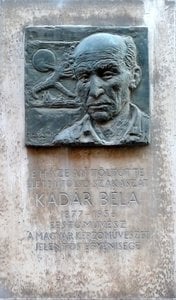
1877 - 1956

 실제 크기로 보기
 보내기
보내기 공유하기
공유하기
 상세 보기
상세 보기 가이드 보기

 이미지 다운로드
 유사 작품 더 보기
 X-레이
X-레이 슬라이드 쇼 보기
 통계 정보
통계 정보 상세 보기
상세 보기


