Tempera On PanelRenaissance
 1475Renaissance
 157.0 x 271.0 cm
 Gallerie dell'Accademia
온라인 미리보기보다 훨씬 뛰어난 품질의 고해상도 디지털 이미지를 구매해 보세요.
각 파일은 사내 전문가가 고급 도구와 숙련된 수동 리터칭 기술을 사용하여 세심하게 준비합니다. 우리는 모든 이미지가 탁월한 선명도, 정확한 색상 재현력, 그리고 미세한 디테일까지 완벽하게 갖추도록 보장합니다.
최종 파일은 전문적인 편집 및 인쇄 환경에서 즉시 사용할 수 있도록 최적화되어 72시간 이내에 이메일로 발송됩니다. 이는 세계적인 디자인 스튜디오, 출판사 및 갤러리가 신뢰하는 것과 동일한 품질입니다.
개인 소장 및 전시, 인쇄, 창작 프로젝트를 위한 고해상도 파일을 다운로드하세요. ( 프린트 판매로 전환 수작업 채색 복제본 주문하기)
WahooArt.com를 선택하시면 단순히 이미지를 받는 것을 넘어, 정밀한 보정 과정을 거쳐 완성된 전문적인 디지털 예술 작품을 만나보실 수 있습니다. 모든 작품에는 만족 보장 서비스가 함께 제공되며, 주문 시 다음과 같은 사항들이 자동으로 포함됩니다:
주문 후 72시간 이내에 고해상도 디지털 이미지 파일이 이메일로 발송되며, 즉시 사용하실 수 있습니다.
귀하의 작품은 고급 AI 기술과 정교한 수동 편집 과정을 거쳐 전문적으로 최적화되며, 이를 통해 디테일과 선명도, 색상의 정확도를 극대화합니다.
파일을 실수로 삭제하거나 분실하셨나요? 걱정 마세요. 언제든 무료로 다시 보내드립니다.
관세나 부가세, 배송비 부담 없이 작품을 즉시 소장하세요 - 디지털 다운로드는 언제나 면세 혜택이 적용됩니다.
전문적인 도구와 색상 관리 시스템을 통해 디지털 이미지가 원본의 색상을 최대한 정확하게 구현하도록 보장합니다.
구매하신 디지털 이미지에 만족하지 못하실 경우, 100일 이내에 별도의 조건 없이 수정 또는 100% 환불을 진행해 드립니다.
만족스럽지 않으신가요? 디지털 파일을 받으신 후 100일 이내에 조건 없이 전액 환불해 드립니다.
이미지 3매 구매 시 10% 할인 - 5매 구매 시 15% 할인 - 10매 이상 구매 시 20% 할인. 크리에이티브 프로젝트, 갤러리, 에이전시에 매우 유용합니다.
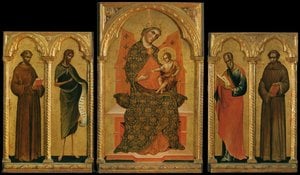
In the heart of the Venetian Renaissance, where the light of the lagoons meets the profound devotion of the era, Bartolomeo Vivarini crafted a masterpiece that transcends time. The Conversano Polyptych, completed in 1475, is not merely an altarpiece but a celestial window into the late Gothic and early Renaissance spirit. As one gazes upon this monumental work, housed within the prestigious Gallerie dell'Accademia, there is an immediate sense of being transported to a sacred realm. The composition, a complex arrangement of multiple panels, orchestrates a narrative of profound religious significance, centered around the Nativity and the presence of holy figures that seem to emerge from a gilded eternity.
The artistry of Vivarini is revealed through his masterful use of tempera on wood panels, a technique that demands absolute precision and foresight. This method allows for an extraordinary level of detail and a saturation of color that remains vibrant centuries later. The central panel serves as the emotional anchor, drawing the viewer into a gathering of figures surrounding a sacred relic, their faces etched with piety and reverence. The use of gold leaf in the background is particularly breathtaking; it does not merely decorate but creates an atmospheric opulence, suggesting a divine light that radiates from within the painting itself, casting a glow upon the intricate headdresses and heavy, embroidered robes of the saints.
Every element within this polyptych is imbued with deep symbolic meaning, designed to guide the faithful through a visual liturgy. The architecture of the piece—divided into distinct sections that separate the heavenly from the earthly—mirrors the hierarchical structure of the universe as understood in the 15th century. Within these frames, the soft curves of halos and the rhythmic placement of figures create a sense of divine order. The Nativity scenes are rich with iconography: the humble manger, the swaddling clothes, and the watchful eyes of Mary and Joseph all serve to ground the miraculous event in a tangible, human reality.
For the discerning collector or interior designer, the Conversano Polyptych offers more than just historical value; it offers an unparalleled aesthetic experience. The interplay of chiaroscuro—the dramatic contrast between light and shadow—adds a sculptural depth to the figures, making them appear almost lifelike within their gilded niches. This tension between the flat, decorative tradition of the Gothic period and the emerging realism of the Renaissance creates a visual complexity that is both intellectually stimulating and emotionally resonant. It is a work that commands attention, bringing a sense of historical weight and spiritual serenity to any space it inhabits.
To possess a high-quality reproduction of such a significant work is to invite a piece of Venetian history into one's personal sanctuary. The warmth of the color palette, dominated by rich ochres, deep blues, and radiant golds, provides a sophisticated foundation for luxurious interior design. Whether placed in a grand gallery or a quiet study, the polyptych acts as a focal point of contemplation, echoing the craftsmanship of Bartolomeo Vivarini and the enduring legacy of the Italian masters. It remains a testament to an era where art was the ultimate bridge between the human soul and the divine.
"Conversano Polyptych"은(는) wall art 작품입니다.
"Conversano Polyptych" 작품은 Large 인쇄 크기를 권장합니다. 동일한 비율의 다른 사이즈로도 제작 가능합니다.
"Conversano Polyptych"의 형식은 Panoramic입니다. 이는 작품 복제본을 배치할 공간을 계획할 때 유용합니다.

In the vibrant, shimmering atmosphere of the Quattrocento, Bartolomeo Vivarini emerged as a pivotal figure in the evolution of Venetian painting. Born in the storied glassmaking hub of Murano, Italy, he was part of an influential dynasty of artists that helped shape the visual identity of the Republic of Venice. As a member of the Vivarini family, his life and work were deeply intertwined with the artistic pulse of his homeland, bridging the transition from the ornate, gilded traditions of the late Gothic period to the burgeoning humanism of the early Renaissance.
The artistry of Vivarini is characterized by a profound sense of spiritual depth and technical precision. While he was a master of tempera, often utilizing gold leaf to imbue his compositions with a celestial luxury, he was also an innovator in the use of new mediums. It is noted that he learned the art of oil painting from Antonello da Messina, and he is credited with producing what is believed to be the first oil painting in Venice around 1473. This mastery allowed him to manipulate light and texture in ways that brought a new level of intimacy and serenity to his religious subjects.
Vivarini’s work often presents a striking balance between hard, defined outlines and a rich, emotive color palette. His figures frequently possess a dignified and devout expression, capturing the solemnity required for the altarpieces that adorned Venetian basilicas. This ability to convey human emotion through structured forms made him a sought-after painter for significant religious commissions. A notable example of his skill is found in his Madonna and Child, where he uses light entering through windows and deep red drapery to create a sense of sacred space.
Beyond the figures themselves, Vivarini’s paintings are often layered with symbolic meaning:
The historical importance of Bartolomeo Vivarini lies in his role as a bridge between eras. He stood at the crossroads of the Byzantine-influenced traditions of his predecessors and the revolutionary Renaissance styles brought by artists like Fra Angelico and Giovanni Bellini. By blending these diverse influences, he helped establish a unique Venetian visual language—one that prioritized luminous color and emotional resonance.
His influence extended through his family lineage, notably impacting the work of his nephew, Alvise Vivarini, who would become a leading artist in Venice before the rise of Bellini. Through his meticulous detail and his pioneering adoption of oil techniques, Bartolomeo Vivarini left an indelible mark on the history of Italian art, ensuring that the spiritual and aesthetic grandeur of Murano and Venice would be preserved for generations to come.

1440 - 1499 , 이탈리아

 실제 크기로 보기
 보내기
보내기 공유하기
공유하기
 상세 보기
상세 보기 가이드 보기

 이미지 다운로드
 유사 작품 더 보기
 X-레이
X-레이 슬라이드 쇼 보기
 통계 정보
통계 정보 상세 보기
상세 보기