
 Oil On CanvasWallArtBaroque
 1620Early Modern
 56.0 x 72.0 cm
 메트로폴리탄 미술관
빠른 제작과 다양한 마감 옵션을 제공하는 박물관 품질의 지클레이 또는 캔버스 프린트. ( 손으로 그린 그림 구매 디지털 이미지로 전환)





























작품의 원본 비율을 유지하는 미리 설정된 크기 중에서 선택하세요.

특정 프레임이나 공간에 맞춰 직접 치수를 입력하실 수 있습니다. 선택하신 사이즈가 원본 이미지의 비율과 일치하지 않을 경우, 작품을 크롭(자르기)하거나 이미지를 대칭 또는 단색 채우기로 확장하여 제작합니다. 제작 시작 전, 최종 확인을 위해 디지털 목업이 전송됩니다.
화면상의 미리보기는 실제 크롭이나 확장 상태를 반영하지 않으므로, 최종 구도는 오직 목업을 통해서만 정확하게 확인하실 수 있습니다.
맞춤 사이즈 제작도 가능하지만, 원본 비율을 유지하기 위해서는 사전 정의된 목록에서 치수를 선택하시는 것을 권장합니다.

Saints Peter and Paul
복제본 크기
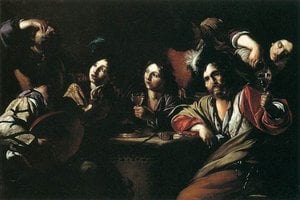
To stand before this depiction of Saints Peter and Paul is to step directly into the vibrant, dramatic heart of early 17th-century Rome. It is a painting that does not merely hang on a wall; it breathes with the palpable energy of its moment of creation. The composition immediately arrests the viewer with its masterful handling of light—a signature trait echoing the revolutionary genius of Caravaggio. Here, a strong, directional illumination streams in from the left, carving out the figures and lending every fold of drapery and every plane of skin an almost sculptural reality. This dramatic chiaroscuro is not just a technique; it is an emotional force, suggesting revelation or profound contemplation.
What makes this piece so captivating is its apparent dual authorship, lending it the air of a deeply personal commission. The scholarly analysis suggests that while Bartolomeo Manfredi may have rendered Saint Peter, his French acolyte and pupil, Nicolas Tournier, was responsible for Saint Paul. This division of labor transforms the work from a mere devotional piece into something far more intimate—perhaps a treasured token of friendship between artists, or a sophisticated nod to an astute collector who understood the burgeoning network of Caravaggio’s influence across Rome. The subjects are not idealized types; rather, they possess distinct, lived-in idiosyncrasies in their faces, lending them an immediate and startling sense of humanity.
The narrative is enriched by the objects held by these two saints. While both men share the venerable beard common to figures of deep piety, they are depicted here with musical instruments—one holding a violin, the other a lute. This unexpected inclusion suggests that their spiritual devotion was intertwined with earthly passions, perhaps suggesting that divine inspiration can manifest through art and music. The setting itself, an interior space hinted at by the nearby chair, feels like a momentary pause in a gathering of shared creativity. It invites us to imagine the resonance of unseen melodies filling the air around them.
For those who seek to infuse their own interiors with the drama and intellectual weight of the Baroque era, this reproduction offers an unparalleled opportunity. The rich tonality, the palpable texture captured in the paintwork, and the sheer narrative depth make it a centerpiece worthy of any distinguished salon or study. Owning this piece is not simply acquiring art; it is curating a moment—a dialogue between friendship, faith, and the enduring power of artistic genius that flourished in Rome during the early 1600s.
1582 - 1622 , 이탈리아

Embark on a sophisticated journey through art history with our exploration of Saint Peter's most powerful masterpieces. Discover the profound emotional depth and technical brilliance of Renaissance and Baroque icons, curated for the discerning classic art enthusiast.

Embark on a sophisticated journey through Italian Baroque art. Discover the dramatic interplay of light and emotion in Caravaggio’s masterpieces and explore how to bring this timeless grandeur into your collection with expert art insights.

Explore the dramatic brilliance of the Flemish Baroque movement. Discover how masters like Peter Paul Rubens utilized chiaroscuro and dynamic composition to redefine art history through light, shadow, and unparalleled emotion.


 미리보기
미리보기
 공유하기
공유하기 공유하기
공유하기
 상세 정보
상세 정보 가이드 보기

 다운로드
다운로드
 유사 작품
유사 작품 X-레이
X-레이 슬라이드 쇼
 통계 정보
통계 정보 더 보기
더 보기









 유리 옵션은 110cm 미만 크기에서만 선택 가능합니다.


