원하는 크기와 액자로 주문 제작되는, 작가들이 직접 캔버스에 손으로 그린 유화 작품입니다. ( 프린트 판매로 전환 디지털 이미지로 전환)





























작품의 원본 비율을 유지하는 미리 설정된 크기 중에서 선택하세요.

특정 프레임이나 공간에 맞도록 직접 크기를 입력할 수 있습니다. 선택하신 크기가 원본 이미지의 비율과 일치하지 않는 경우, 작품을 자르거나 추가적인 손으로 그린 요소를 사용하여 그림을 확장합니다. 제작 시작 전 승인을 위해 디지털 목업을 보내드립니다.
화면 미리 보기는 실제 자르기 또는 확장을 반영하지 않습니다. 최종 구성은 목업을 통해서만 정확하게 확인하실 수 있습니다.
맞춤 크기 제작도 가능하지만, 원본 비율을 유지하기 위해 사전 정의된 목록에서 크기를 선택하시는 것을 권장합니다.

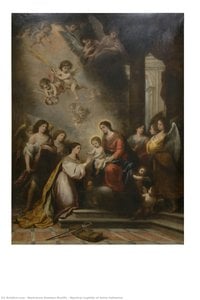
L'apparition de l'Immaculée conception à six personnages
복제본 크기
In the heart of the Spanish Baroque, few images command the soul with such profound tenderness as Bartolomé Esteban Murillo’s L'apparition de l'Immaculée conception à six personnages. This monumental masterpiece, conceived between 1662 and 1665 for the Santa María la Blanca Cathedral in Seville, is far more than a mere religious depiction; it is a window into the divine. As the eye meets the canvas, one is immediately struck by the ethereal presence of the Virgin Mary, appearing amidst a swirling, heavenly cloudscape. Murillo, a titan of his era, possessed an unparalleled ability to bridge the gap between the earthly and the celestial, inviting the viewer to stand alongside the six onlookers who gaze upward in breathless reverence. The composition, characterized by its vertical grandeur, draws the spirit upward, mirroring the very architectural aspirations of the cathedlam that once housed it.
The emotional resonance of the piece lies in its delicate balance between awe and intimacy. While the subject matter is undeniably epic, Murillo avoids the coldness often found in monumental religious works. Instead, he infuses the scene with a soft, palpable warmth. The onlookers—a diverse group of mortals caught in a moment of spiritual epiphany—serve as our emotional anchors. Their varied expressions of piety, wonder, and quiet contemplation allow anyone standing before the painting to find a point of connection. For the collector or the designer, this artwork offers more than just visual prestige; it provides an atmosphere of serenity and contemplative grace, making it a transformative centerpiece for any space dedicated to reflection and beauty.
To understand the magic of this work, one must look closely at Murillo’s sophisticated use of chiaroscuro. The artist employs dramatic lighting not merely as a tool for visibility, but as a profound metaphor for divine revelation. A soft, diffused light emanates from behind the Virgin Mary, sculpting her form against the hazy, atmospheric clouds and creating a natural halo that seems to pulse with life. This technique of backlighting creates a sense of depth and volume, making the drapery of her robes appear heavy and real, yet weightless enough to float within the heavens. The layers of oil paint are applied with such meticulous precision that the textures of skin, fabric, and cloud seem to possess their own distinct tactile qualities.
The color palette is a masterclass in Baroque harmony, dominated by warm, golden tones that suggest the glow of candlelight or sunset, punctuated by the cool, celestial blues and pure whites of the Virgin’s attire. This interplay of warmth and coolness enhances the painting's luminous quality, a hallmark of Murillo’s style. His brushwork, while precise in defining the figures, retains a certain fluid softness that contributes to the dreamlike, visionary atmosphere. For those seeking a high-quality reproduction, capturing these subtle gradations of tone and the delicate interplay of light is essential to preserving the spiritual radiance that defines the original masterpiece.
Every element within this composition serves a higher narrative purpose, weaving a complex tapestry of Christian iconography. The Virgin Mary’s outstretched hand is a poignant gesture of prayer and supplication, embodying the humility required to encounter the divine. Above her, an angel holds aloft a banner, a symbolic herald of the heavenly message being delivered to the faithful below. Even the clouds themselves are not merely atmospheric; they represent the boundary between the mortal realm and the kingdom of God, acting as the stage upon which this miraculous apparition unfolds.
Murillo’s ability to blend these heavy symbolic elements with such naturalistic beauty is what secures his place in the pantheon of art history. He does not force the symbolism upon the viewer; rather, he allows it to emerge organically from the light and movement of the scene. This seamless integration of meaning and aesthetics ensures that the painting remains eternally relevant, offering a timeless sense of peace and spiritual uplift. Whether displayed in a private gallery or as a focal point in a sophisticated interior, this work continues to inspire awe, serving as a lasting testament to the enduring power of faith and the sublime beauty of the Spanish Baroque.


1618 - 1682 , 스페인

Explore the profound drama of Spanish Baroque art. Delve into the mastery of light, shadow, and realism through the legendary works of Diego Velázquez and the Spanish Golden Age.


 미리보기
미리보기
 공유하기
공유하기 공유하기
공유하기
 상세 정보
상세 정보 가이드 보기

 다운로드
다운로드
 유사 작품
유사 작품 X-레이
X-레이 슬라이드 쇼
 통계 정보
통계 정보


 더 보기
더 보기









 유리 옵션은 110cm 미만 크기에서만 선택 가능합니다.