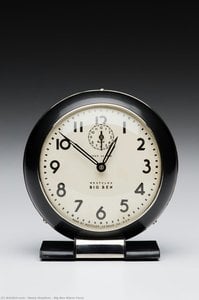
Badische Uhrenfabrik Ag의 Table clock (1905), 거장 화가가 손으로 직접 그린 유화 복제화
미리보기 AR로 미리보기 프린트 판매로 전환 디지털 이미지로 전환 공유하기
상세 정보 가이드 보기 즐겨찾기에 추가 다운로드 유사 작품 더 보기 X-레이 슬라이드 쇼 보기 질의응답 프레젠테이션 다운로드 통계 정보

Table clock 수작업으로 그린 유화 복제화

규격
38.0 x 31.0 cm

Discover badische uhrenfabrik ag, a historic German watchmaker renowned for innovative clocks, cuckoo clocks, and radio equipment from Furtwangen. Explore their legacy in precision craftsmanship and Black Forest tradition.

이 페이지에 표시된 작품은 저작권법의 보호를 받으며, 이에 따라 동일한 복제품을 제작하거나 판매하는 것은 법으로 금지되어 있습니다. 이러한 권리 보호는 다음과 같은 국제 협약에 따라 시행됩니다. 베른 협약 또한 다음에서 명시하는 법률을 포함한 국내법에 의해 보호됩니다. 미국 저작권법 제17조.

저희는 존중을 담은 합법적인 대안으로서, 원작에서 영감을 받은 맞춤형 수제 유화 작품을 제공합니다. 저희의 숙련된 전문 화가들은 원작의 스타일, 분위기, 예술적 정수를 면밀히 연구하여, 그 자체로 독창적인 창작물이면서도 원작과 동일한 감동을 불러일으키는 새로운 작품을 만들어냅니다.

이 방식은 저작권 보호를 받는 예술 작품을 복제하거나 그대로 재현하는 것이 아니기에 저작권 규정을 완벽히 준수합니다. 대신, 이는 창의적인 재해석의 과정을 거칩니다. 즉, 원작에서 영감을 받되 원작과 동일하지 않은 새로운 회화 작품을 의미합니다.

핸드메이드 유화 복제화

작가가 직접 캔버스에 손으로 그린 유화 작품으로, 원하는 크기와 액자로 맞춤 제작해 드립니다. ( 프린트 판매로 전환 디지털 이미지로 전환)

표준 규격
맞춤형
CM
INCH

작품의 원본 비율을 그대로 유지하는 프리셋 사이즈 중에서 선택해 보세요.

가로 너비
세로 길이

액자나 벽면 크기에 맞춰 필요한 가로와 세로 길이를 입력해 주세요. 본 작품은 수작업으로 제작되므로, 요청하신 비율에 따라 작가가 그림의 가장자리를 조금 더 넓게 그리거나 일부를 조정하여 작업할 수 있습니다. 작업 시작 전, 최종 확인을 위해 디지털 목업 이미지를 보내드립니다. 이 페이지에 표시된 이미지는 실제 결과물과 다를 수 있으며, 오직 목업 이미지만이 정확한 결과물을 보여줍니다.

변경 가능한 예시: 고객님의 사진으로 얼굴 교체, 반려동물 추가(예: 고양이를 강아지로 변경), 배경에 숨겨진 메시지 삽입, 배경 풍경 또는 요소 변경 등
주문 완료 후 WahooArt.com 팀에서 상세 안내를 위해 고객님께 이메일을 보내드리며, 미리보기 시안을 함께 제공해 드립니다.

전 세계 배송()은 표준 5주 대신 3~4주 내에 완료됩니다. (8 11월). 품질에는 어떠한 타협도 하지 않습니다.

전 세계 무료 특급 배송
프리미엄 린넨 캔버스
배송 전 과정 보험 적용
관세 및 수입세 환급 보장 서비스
원본과 동일한 색상 구현 보장
100일 이내 반품 정책 (결함 발생 시)
100% 환불 보장
다량 구매 할인 혜택

총 결제 금액

₩ 364940

Table clock

재현 기법

복제본 크기

-

최종 결제 금액

₩ 364940


작가 정보

Badische Uhrenfabrik AG: Precision Craftsmanship Rooted in Black Forest Tradition

The Badische Uhrenfabrik AG (baduf), nestled in Furtwangen im Schwarzwald, Germany, stands as a testament to the enduring legacy of German clockmaking—a tradition stretching back centuries and characterized by meticulous craftsmanship and innovation. Founded in 1889 through the merger of three established firms – Rombach, Ketterer and Leo Faller am Bach & Sohn – baduf quickly ascended to prominence as one of Europe’s largest watch manufacturers, exporting its creations worldwide and establishing branches in London, Milan, Zurich, Bombay and Hong Kong. Its success wasn't merely about quantity; it was about a dedication to quality and pushing the boundaries of horological design.
  • Early Years & Founding Principles: The merger reflected a strategic consolidation of expertise within the Black Forest region, capitalizing on the area’s rich history of metalworking and precision engineering. Rombach, Ketterer and Faller had each cultivated reputations for excellence in clockmaking, blending traditional techniques with emerging advancements.
  • Innovation & Technological Advancement: Baduf distinguished itself from its competitors by embracing technological innovations. As early as the 1920s, they ventured into radio engineering, producing radio-controlled clocks and pioneering loudspeaker technology – demonstrating a foresight that anticipated the growing importance of communication and sound reproduction in the modern era.
  • The Akribie Trademark & Jugendstil Influence: The establishment of the “Akribie” trademark symbolized baduf’s commitment to accuracy and reliability, values deeply ingrained within the company's ethos. Notably, during the 1910s, Baduf produced striking freestanding clocks adorned with Jugendstil (Art Nouveau) motifs – showcasing a stylistic embrace that blended organic forms with geometric precision, reflecting the artistic sensibilities of its time.
  • Expansion & Global Reach: By the mid-20th century, baduf’s influence extended across continents. Collaborations with British firms like Ansonia Clock Company cemented its reputation for producing high-quality clocks destined for international markets. These partnerships underscored baduf's ability to adapt to evolving global trends and maintain a competitive edge.
  • Legacy & Decline: Despite achieving considerable success, Baduf faced challenges in the latter half of the century. Bankruptcy occurred twice – once in 1932 following the acquisition by Franz, Rudolf and Oskar Kaiser from Villingen and again in 1983 with liquidation concluding its operational history. However, baduf’s enduring contribution to German clockmaking heritage remains significant, remembered for its pioneering spirit and unwavering dedication to precision.
Sources:

Notable Achievements & Artistic Style

Baduf’s artistic style was particularly notable for its embrace of Jugendstil, evident in clocks featuring flowing lines and stylized floral patterns. Simultaneously, the company pioneered torsion clocks—a revolutionary design utilizing a weight-driven movement and incorporating a ball pendulum with internal regulating weights—demonstrating an understanding of mechanical principles that anticipated future developments in clockmaking. Furthermore, collaborations with firms like Ansonia Clock Company ensured the dissemination of Baduf’s innovative designs across international markets.

Influence & Historical Context

Baduf's influence extended beyond its immediate production output; it played a crucial role in shaping the broader landscape of German clockmaking during the early 20th century. Its commitment to technological advancement—particularly radio engineering—reflected the anxieties and aspirations of a period marked by rapid industrialization and burgeoning communication networks. The company’s enduring legacy serves as an emblem of Black Forest tradition, blending meticulous craftsmanship with intellectual curiosity.

작가 정보 요약

  • Full Name: Badische Uhrenfabrik AG
  • Nationality: German
  • Place Of Birth: Furtwangen im Schwarzwald, Germany
  • Notable Artworks: ['Table clock']
  • Artistic Movement Or Style: Jugendstil