

 Oil On CanvasWallArtPost-Impressionism
 1922
1922 61.0 x 41.0 cm
 Nottingham Castle Museum And Art Gallery
이 페이지에 표시된 작품은 저작권법의 보호를 받으며, 이에 따라 동일한 복제품을 제작하거나 판매하는 것은 법으로 금지되어 있습니다. 이러한 권리 보호는 다음과 같은 국제 협약에 따라 시행됩니다. 베른 협약 또한 다음에서 명시하는 법률을 포함한 국내법에 의해 보호됩니다. 미국 저작권법 제17조.
이 방식은 저작권 보호를 받는 예술 작품을 복제하거나 그대로 재현하는 것이 아니기에 저작권 규정을 완벽히 준수합니다. 대신, 이는 창의적인 재해석의 과정을 거칩니다. 즉, 원작에서 영감을 받되 원작과 동일하지 않은 새로운 회화 작품을 의미합니다.
빠른 제작과 다양한 마감 옵션을 선택할 수 있는 박물관 수준의 지클레이 및 캔버스 프린트. ( 수작업 채색 복제본 주문하기 디지털 이미지 판매 채널로 전환)





























작품의 원본 비율을 그대로 유지하는 프리셋 사이즈 중에서 선택해 보세요.

특정 프레임이나 공간에 맞춰 직접 치수를 입력하실 수 있습니다. 선택하신 사이즈가 원본 이미지의 비율과 일치하지 않을 경우, 작품을 크롭(자르기)하거나 이미지를 대칭 또는 단색 채우기로 확장하여 제작합니다. 제작 시작 전, 최종 확인을 위해 디지털 목업이 전송됩니다.
화면상의 미리보기는 실제 크롭이나 확장 상태를 반영하지 않으므로, 최종 구도는 오직 목업을 통해서만 정확하게 확인하실 수 있습니다.
맞춤 사이즈 제작도 가능하지만, 원본 비율을 유지하기 위해서는 사전 정의된 목록에서 치수를 선택하시는 것을 권장합니다.
Yvonne
복제본 규격
Augustus Edwin John, a name often associated with the bohemian spirit of late 19th and early 20th-century Wales, gifted us with a remarkable series of portraits that transcend mere likeness. His 1922 painting, "Yvonne," is not simply a depiction of a young woman; it’s an intimate study in observation, capturing a fleeting moment of contemplation and hinting at the complexities beneath a serene surface. The work resides within Nottingham City Museums & Galleries, offering a rare glimpse into John's evolving style and his profound ability to imbue his subjects with personality.
The composition immediately draws the eye to Yvonne’s face – rendered with an almost sculptural precision. John masterfully employs light and shadow to sculpt her features, emphasizing the delicate curve of her cheekbone, the subtle furrow of her brow, and the quiet intensity in her gaze. Her posture is relaxed yet alert, suggesting a thoughtful awareness of herself and the world around her. The muted brown background serves not as a distraction but rather as a deliberate framing device, intensifying the focus on Yvonne’s presence and drawing the viewer into her private space. The loose brushstrokes, characteristic of John's later work, create a sense of immediacy and movement, as if capturing a spontaneous expression.
“Yvonne” exemplifies John’s unique blend of realism and impressionism. He was deeply influenced by the Impressionists, particularly their focus on capturing fleeting moments of light and atmosphere. However, unlike many of his contemporaries who embraced pure Impressionism, John retained a strong grounding in traditional draughtsmanship. His meticulous attention to detail—particularly in the rendering of fabric and hair—is evident throughout the painting. The impasto technique – applying paint thickly to create texture – is particularly pronounced in Yvonne’s clothing, adding a tactile quality to the image and further enhancing its visual richness.
The color palette is restrained, dominated by earthy tones – browns, ochres, and subtle greens – which contribute to the painting's overall mood of quiet introspection. John skillfully uses variations in tone to create depth and volume, suggesting the folds of Yvonne’s dress and the contours of her face. The brushwork itself is dynamic and expressive, with visible strokes that convey a sense of energy and spontaneity. This combination of meticulous detail and loose brushwork is what gives “Yvonne” its distinctive character – a harmonious balance between observation and artistic interpretation.
To fully appreciate "Yvonne," it’s essential to understand the context in which John was working. Born in Tenby, Wales, he cultivated an unconventional lifestyle, embracing the bohemian spirit of the early 20th century. He spent his formative years studying at the Slade School of Fine Art in London but always maintained a strong connection to his Welsh roots and artistic community. John’s life was marked by both success and personal struggles – including a debilitating head injury sustained during a diving accident – which undoubtedly influenced his art, adding layers of complexity and emotional depth to his work.
The painting itself dates back to 1922, a period when John was at the height of his creative powers. He had established himself as one of Britain’s leading portrait painters, known for his psychologically astute depictions of women. “Yvonne” reflects this mastery, demonstrating his ability to capture not only physical likeness but also the inner life and emotional state of his subject.
While "Yvonne" appears outwardly serene, a closer examination reveals subtle symbolic elements. The woman’s gaze is direct and unwavering, suggesting a quiet strength and resilience. There's an undercurrent of melancholy in her expression, perhaps hinting at the challenges and uncertainties of life. The loose, flowing lines of her dress evoke a sense of movement and freedom, while the muted colors create a feeling of intimacy and privacy. John’s masterful use of light and shadow further enhances this emotional resonance, casting a gentle glow on Yvonne's face and inviting the viewer to contemplate her inner world.
Ultimately, “Yvonne” is more than just a portrait; it’s a meditation on beauty, introspection, and the complexities of human experience. It stands as a testament to Augustus Edwin John’s artistic vision and his ability to capture the essence of his subjects with remarkable sensitivity and insight.
"Yvonne"의 명암 대비는 Bold로 기록되었습니다. 대비는 밝은 부분과 어두운 부분의 차이가 얼마나 강한지를 나타냅니다.
어거스터스 에드윈 존의 "Yvonne"은(는) Portrait 구도로 이루어져 있습니다. 프린트 크기를 결정하시기 전에 비율을 확인해 보시는 것이 좋습니다.
"Yvonne" 작품은 코튼 캔버스 또는 아카이브용 캔버스지에 인쇄된 파인 아트 프린트로 만나보실 수 있습니다. 주문은 현재 페이지에서 원하시는 사이즈를 선택하여 진행하실 수 있습니다.
어거스터스 에드윈 존의 "Yvonne"에 기록된 정서적 톤은 Melancholic입니다. 이는 작품이 표현하는 감정을 요약한 것입니다.
어거스터스 에드윈 존의 "Yvonne"의 주요 색상은 Black (#1e1709)입니다.
어거스터스 에드윈 존의 "Yvonne"은(는) 원작 기준 61 x 41 cm 크기의 Portrait 구성입니다.
어거스터스 에드윈 존은(는) 1922년에 "Yvonne"을(를) 제작했습니다.
"Yvonne"은(는) Post-Impressionism 양식의 작품입니다. 이 사조는 해당 작품이 속한 예술적 전통을 나타냅니다.

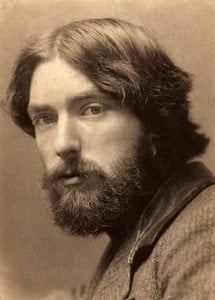
1878 - 1961 , 미국

Unveil the profound revolution of Post-Impressionism. Explore how masters like Van Gogh and Cézanne utilized bold colors and emotional depth to transcend mere representation, laying the foundation for modern art. A sophisticated journey through history's most emotive brushstrokes.

Explore the transformative era of Post-Impressionism. Discover how masters like Cézanne and Matisse revolutionized color and form, moving beyond Impressionism to shape modern art history through structural innovation and expressive emotion.

인상주의의 빛나는 찰나와 후기 인상주의의 강렬한 감정을 깊이 있게 탐구합니다. 모네부터 고흐까지, 거장들의 예술적 혁명을 통해 클래식 미술의 정수를 만나보세요. WahooArt는 숙련된 화가들이 100% 수작업으로 재현하는 프리미엄 유화 복제와 맞춤형 초상화 서비스를 통해 당신의 공간에 품격 있는 예술적 가치를 선사합니다.

Explore the vibrant evolution of Post-Impressionism. From Seurat's revolutionary Pointillism to the emotional depth of masters, discover how this movement redefined modern art history through color, structure, and unparalleled creative expression.

 실제 크기로 보기
 보내기
보내기 공유하기
공유하기
 상세 보기
상세 보기 가이드 보기

 이미지 다운로드
 유사 작품 더 보기
 X-레이
X-레이 슬라이드 쇼 보기
 통계 정보
통계 정보 상세 보기
상세 보기









 유리 옵션은 110cm 미만 크기에서만 선택 가능합니다.


