

작가가 직접 캔버스에 손으로 그린 유화 작품으로, 원하는 크기와 액자로 맞춤 제작해 드립니다. ( 프린트 판매로 전환 디지털 이미지 판매 채널로 전환)





























작품의 원본 비율을 그대로 유지하는 프리셋 사이즈 중에서 선택해 보세요.

액자나 벽면 크기에 맞춰 필요한 가로와 세로 길이를 입력해 주세요. 본 작품은 수작업으로 제작되므로, 요청하신 비율에 따라 작가가 그림의 가장자리를 조금 더 넓게 그리거나 일부를 조정하여 작업할 수 있습니다. 작업 시작 전, 최종 확인을 위해 디지털 목업 이미지를 보내드립니다. 이 페이지에 표시된 이미지는 실제 결과물과 다를 수 있으며, 오직 목업 이미지만이 정확한 결과물을 보여줍니다.
크레덴자
복제본 규격
"크레덴자"에서는 우아한 분위기와 함께 평온함 감정이 느껴집니다.
August Bémbe Workshop의 "크레덴자"은 캔버스에 아크릴 물감 기법과 German Romanticism 양식을 결합한 작품입니다. 기법과 양식은 작품의 제작 방식과 스타일을 설명합니다.
August Bémbe Workshop의 "크레덴자"은(는) 디지털 이미지로 고해상도 디지털 이미지 다운로드할 수 있으며, 작품의 다운로드 페이지에서 다운로드 가능합니다.

The August Bémbe Workshop represents a profound chapter in the history of German decorative arts, embodying a period where craftsmanship and aesthetic intention merged to create objects of lasting beauty. Rooted in the traditions of Düsseldorf, Germany, this workshop was more than a mere production site; it was a sanctuary of meticulous artistry that flourished during the 19th century. The work emerging from this studio reflects the sophisticated sensibilities of its era, blending functional necessity with a deep-seated commitment to the decorative excellence that defined German craftsmanship.
The workshop's output is characterized by an extraordinary attention to detail and a mastery of traditional techniques. One of the most notable expressions of this skill can be seen in pieces such as the Credenza, which showcases the workshop's ability to elevate furniture into the realm of fine art. Through the use of precise carving—utilizing tools like chisels and gouges—the artisans were able to transform durable materials like oak into intricate tapestries of flora. The surfaces of their creations often featured a delicate arrangement of roses, lilies, and ferns, executed with such precision that they achieved a remarkable sense of depth and realism.
The creative spirit of the August Bémbe Workshop was deeply intertwined with the burgeoning Romantic movement. This era, which championed emotion, imagination, and an idealized connection to the natural world, found a perfect medium in the workshop's decorative programs. The floral motifs used by the artisans were not merely ornamental; they served as symbolic windows into the Romantic soul, representing notions of purity, beauty, and fertility. By integrating these natural elements into functional objects, the workshop helped foster a sense of harmony between the domestic environment and the wilder, spiritual essence of nature.
Beyond the botanical imagery, the work of the workshop often incorporated subtle symbolic resonances that invited contemplation. The careful arrangement of their pieces suggested an underlying philosophy of order and refinement, where even a functional item for storing linens could serve as a vessel for domestic tranquility. This ability to imbue everyday objects with emotional weight and historical significance is what distinguishes the August Bémbe Workshop from standard decorative producers of the time, marking them as true contributors to the cultural landscape of the 19th century.

1840 - 1913 , Germany

Master the nuances of three-dimensional art with our expert guide. Explore sculptural history, from Phidias to Neoclassicism, and learn to evaluate materiality, form, and technique like a true connoisseur. Elevate your collection with profound insights into the world of sculpture.

Discover the breathtaking allure of Art Deco. Explore the era's iconic geometry, legendary designers like Erté, and timeless glamour. Perfect for discerning collectors seeking to infuse their spaces with sophisticated modernist elegance and historical prestige.
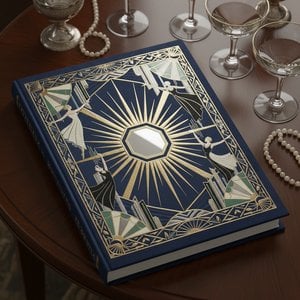
Discover the allure of Art Deco through a curated guide to its most iconic masterpieces. Explore the elegance of Erté and the innovation of Jean Dunand, perfect for collectors seeking timeless glamour and sophisticated design inspiration.

Transform cherished photos into breathtaking 3D sculptures and marble busts with WahooArt AI. Experience the pinnacle of luxury art commissions, blending cutting-edge technology with classical mastery to create timeless, museum-quality heirlooms for your private collection.

Explore the refined world of Neoclassical portraiture. Discover the mastery of line, light, and order through an expert exploration of academic art history, from Jacques-Louis David to Jean-Antoine Houdon. Immerse yourself in the timeless elegance of classical realism.

 실제 크기로 보기
 보내기
보내기 공유하기
공유하기
 상세 보기
상세 보기 가이드 보기

 이미지 다운로드
 유사 작품 더 보기
 X-레이
X-레이 슬라이드 쇼 보기
 통계 정보
통계 정보


 상세 보기
상세 보기









 유리 옵션은 110cm 미만 크기에서만 선택 가능합니다.


