
빠른 제작과 다양한 마감 옵션을 제공하는 박물관 품질의 지클레이 또는 캔버스 프린트. ( 손으로 그린 그림 구매 디지털 이미지로 전환)





























작품의 원본 비율을 유지하는 미리 설정된 크기 중에서 선택하세요.

특정 프레임이나 공간에 맞춰 직접 치수를 입력하실 수 있습니다. 선택하신 사이즈가 원본 이미지의 비율과 일치하지 않을 경우, 작품을 크롭(자르기)하거나 이미지를 대칭 또는 단색 채우기로 확장하여 제작합니다. 제작 시작 전, 최종 확인을 위해 디지털 목업이 전송됩니다.
화면상의 미리보기는 실제 크롭이나 확장 상태를 반영하지 않으므로, 최종 구도는 오직 목업을 통해서만 정확하게 확인하실 수 있습니다.
맞춤 사이즈 제작도 가능하지만, 원본 비율을 유지하기 위해서는 사전 정의된 목록에서 치수를 선택하시는 것을 권장합니다.

untitled
복제본 크기

Arthur Lasenby Liberty was far more than a mere merchant; he was a cultural conductor who orchestrated a revolution in the visual language of the late Victorian era. Born in 1843 in the quiet town of Chesham, Buckinghamshire, his origins were rooted in the tactile world of textiles, being the son of a draper. This early immersion in the textures of lace and fabric provided the foundational sensory vocabulary that would later define his commercial and artistic legacy. Before he became a titan of London retail, Liberty’s spirit was that of an artist, possessing a keen eye for the delicate interplay of color and form. His journey from an apprentice in the drapery trade to the founder of one of the world's most iconic institutions is a testament to a man who saw beauty not just as a luxury, but as a transformative force capable of reshaping domestic life.
The establishment of Liberty & Co. in 1875 marked the beginning of an era where commerce and fine art became inextricably linked. Moving beyond the rigid, often somber aesthetics of mid-Victorian decor, Liberty introduced a sense of wanderlust and exoticism to the British home. Inspired by the intricate craftsmanship of Japan and the Far East, he curated a collection that brought the delicate motifs of Eastern art to the West. This infusion of foreign influence was not merely decorative; it was an intellectual movement that challenged the prevailing Western obsession with formal restraint. Through his store, Liberty became a gateway for the Aesthetic Movement, offering silks, satins, and wallpapers that breathed life into interiors through organic, flowing lines and a palette inspired by the natural world.
As the nineteenth century drew to a close, Liberty’s influence expanded from the shelves of his Regent Street shop into the very fabric of European design. He possessed an uncanny ability to identify and nurture talent, fostering deep connections with the luminaries of the Arts and Crafts and Art Nouveau movements. By collaborating with legendary designers such as William Morris and Edward Burne-Jones, he ensured that his brand was synonymous with the highest caliber of artistic integrity. The resulting "Liberty style" became a global phenomenon, characterized by its signature floral prints, stylized insects, and sinuous, rhythmic patterns that seemed to pulse with biological vitality.
The impact of his work was so profound that it transcended linguistic boundaries, most notably in Italy, where the Art Nouveau movement was affectionately termed Stile Liberty. This nomenclature serves as a permanent tribute to his role in popularizing an aesthetic that celebrated the organic over the industrial. His designs were not merely patterns on cloth; they were symbols of a new modernity—one that sought harmony between human creation and the wild, untamed beauty of nature. The iconic fabrics produced under his guidance became essential components of a lifestyle that valued craftsmanship, whim, and a certain bohemian elegance.
The physical manifestation of Liberty’s ambition can be seen in the magnificent, mock-Tudor edifice of the Liberty London store on Great Marlborough Street. Though completed after his death, the building’s intricate, interconnected rooms and grand atriums reflect his philosophy of creating an immersive, experiential environment—a place where shopping felt like wandering through a private, elegant estate. His life's work successfully bridged the gap between the elite world of fine art and the burgeoning middle-class desire for beautiful, accessible objects.
Today, the name Liberty remains a hallmark of luxury and timeless design. The historical significance of Arthur Lasenby Liberty lies in his ability to have democratized beauty, turning the domestic sphere into a canvas for artistic expression. His achievements can be summarized through several enduring contributions:
Arthur Lasenby Liberty’s journey from a draper's son in Buckinghamshire to the architect of a global aesthetic remains one of the most influential narratives in the history of decorative arts. He did not just sell goods; he sold a vision of a more beautiful, more imaginative world.

1843 - 1917 , United Kingdom
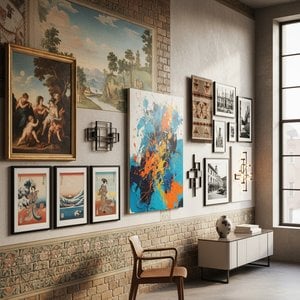
Explore the art of transforming spaces with our comprehensive guide to wall decor. From historical movements to contemporary trends, discover how to curate impactful interiors and commission bespoke artwork for a truly personalized aesthetic.

호텔 디자인에 프레스코를 활용하는 방법부터 기법, 트렌드까지 완벽 가이드! WahooArt.com에서 전문가의 아트 컨설팅을 받고 공간에 특별한 가치를 더하세요. 맞춤 제작 및 소싱 문의 환영.

아르누보 미술의 정수를 담은 10대 걸작을 만나보세요! 무하, 클림트 등 거장의 작품부터 유기적 곡선과 자연주의 색감이 돋보이는 예술 세계를 탐험하고, WahooArt.com에서 고품질 아트 프린트를 찾아 당신의 공간에 예술적인 영감을 더하세요.

Elevate your next project with the rising trend of sculptural textures. Our expert guide explores the allure of plaster relief and impasto art, offering professional decorators trend-driven insights to bring depth, shadow, and a tactile soul to any modern interior space.
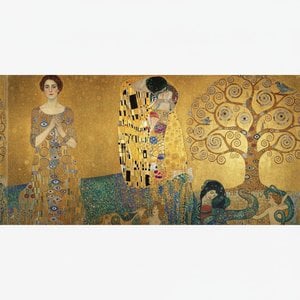
구스타프 클림트의 황홀한 명작 25선을 만나보세요. '키스'부터 '주디트'까지, 빈 분리주의를 대표하는 예술가의 삶과 작품 세계를 탐험합니다. 오스트리아 화가 클림트의 걸작으로 공간에 특별한 감성을 더하세요. WahooArt.com에서 고품질 유화 복제를 만나보세요.


 미리보기
미리보기
 공유하기
공유하기 공유하기
공유하기
 상세 정보
상세 정보

 다운로드
다운로드
 유사 작품
유사 작품 X-레이
X-레이 슬라이드 쇼
 통계 정보
통계 정보

 더 보기
더 보기









 유리 옵션은 110cm 미만 크기에서만 선택 가능합니다.


