
 WatercolorWallArtBombay School
 1931Modern
 55.0 x 69.0 cm
 Museu do Oriente
빠른 제작과 다양한 마감 옵션을 제공하는 박물관 품질의 지클레이 또는 캔버스 프린트. ( 손으로 그린 그림 구매 디지털 이미지로 전환)





























작품의 원본 비율을 유지하는 미리 설정된 크기 중에서 선택하세요.

특정 프레임이나 공간에 맞춰 직접 치수를 입력하실 수 있습니다. 선택하신 사이즈가 원본 이미지의 비율과 일치하지 않을 경우, 작품을 크롭(자르기)하거나 이미지를 대칭 또는 단색 채우기로 확장하여 제작합니다. 제작 시작 전, 최종 확인을 위해 디지털 목업이 전송됩니다.
화면상의 미리보기는 실제 크롭이나 확장 상태를 반영하지 않으므로, 최종 구도는 오직 목업을 통해서만 정확하게 확인하실 수 있습니다.
맞춤 사이즈 제작도 가능하지만, 원본 비율을 유지하기 위해서는 사전 정의된 목록에서 치수를 선택하시는 것을 권장합니다.

Nasik Scene II
복제본 크기
In the delicate, luminous layers of António Xavier Trindade’s Nasik Scene II, we are invited to step through a portal into the vibrant, rhythmic pulse of 1930s India. This exquisite watercolor is far more than a mere topographical record; it is a breathing, breathing moment captured in time. As the eye wanders across the composition, one immediately feels the warmth of the sun and the gentle humidity of the Godavari River region. The artist, a master of the Bombay School, utilizes the inherent transparency of the watercolor medium to mimic the way light filters through the atmosphere of Northern Nasik. Through his quick, confident brushstrokes, the bustling street scene comes alive, offering a sense of movement that suggests the constant flow of pilgrims, traders, and locals navigating their daily rituals.
The composition is anchored by a profound sense of community and shared space. Under the protective canopy of large, sun-drenched umbrellas, figures gather in quiet conversation or rest amidst the midday heat, creating pockets of intimacy within the larger, more chaotic streetscape. These umbrellas serve as both functional elements of the landscape and symbolic anchors, providing visual relief and structure to the composition. Scattered chairs and benches dot the scene, suggesting a culture that finds repose even amidst the industrious energy of the weekly bazaars. In the distance, the subtle presence of a boat on the waterway hints at the vital connection between the city and the sacred river, reminding the viewer of the spiritual lifeline that flows through this historic pilgrimage site.
Trindade’s technical prowess is most evident in his ability to balance documentary precision with an impressionistic flair. Having honed his skills through the rigorous curriculum of the J.J. School of Arts, he possessed a deep understanding of how to observe and translate daylight onto paper. In Nasik Scene II, this mastery manifests as a luminous quality that seems to radiate from within the paper itself. The artist employs a vibrant palette that captures the earthy tones of the architecture alongside the brilliant, saturated colors of Indian textiles and street life. His technique allows for a "quick practice" style—a skill developed during outdoor sketching sessions—which lends the work an authentic, spontaneous energy that more labored oil paintings often lack.
For the discerning collector or interior designer, this piece offers a sophisticated interplay of color and light that can transform any space. The artwork does not merely decorate a wall; it introduces a narrative of cultural heritage and serene vitality. Its ability to evoke the "Rembrandt of the East" through its nuanced use of shadow and highlight makes it a centerpiece of immense character. Whether placed in a contemporary gallery setting or a classic, richly textured study, Nasik Scene II serves as an evocative conversation starter, bridging the gap between the historical splendor of colonial India and the timeless beauty of the natural landscape.


1870 - 1935 , 인도
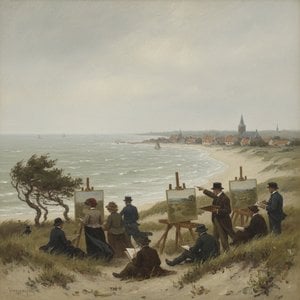
Explore the ethereal beauty of the Hague School art movement. Discover how masters like Jan Weissenbruch captured the atmospheric grey light of the Dutch landscape through unparalleled technique and emotive, misty compositions.

Discover the ethereal beauty of watercolor through an art-historical lens. Master the delicate balance of light, fluidity, and pigment to capture the luminous essence of nature, inspired by the legendary techniques of the Old Masters and Impressionist greats.

An expert guide for art collectors exploring the chemistry and artistry of oil, acrylic, tempera, and watercolor. Discover how medium specificity and material integrity define the longevity and value of fine art masterpieces.

Discover the ethereal beauty of premium watercolor reproductions and bespoke commissions at WahooArt. From museum-quality landscapes to custom AI-enhanced portraits, our master artists deliver unparalleled craftsmanship and white-glove service for discerning collectors worldwide.


 미리보기
미리보기
 공유하기
공유하기 공유하기
공유하기
 상세 정보
상세 정보 가이드 보기

 다운로드
다운로드
 유사 작품
유사 작품 X-레이
X-레이 슬라이드 쇼
 통계 정보
통계 정보 더 보기
더 보기









 유리 옵션은 110cm 미만 크기에서만 선택 가능합니다.


