
빠른 제작과 다양한 마감 옵션을 제공하는 박물관 품질의 지클레이 또는 캔버스 프린트. ( 손으로 그린 그림 구매 디지털 이미지로 전환)





























작품의 원본 비율을 유지하는 미리 설정된 크기 중에서 선택하세요.

특정 프레임이나 공간에 맞춰 직접 치수를 입력하실 수 있습니다. 선택하신 사이즈가 원본 이미지의 비율과 일치하지 않을 경우, 작품을 크롭(자르기)하거나 이미지를 대칭 또는 단색 채우기로 확장하여 제작합니다. 제작 시작 전, 최종 확인을 위해 디지털 목업이 전송됩니다.
화면상의 미리보기는 실제 크롭이나 확장 상태를 반영하지 않으므로, 최종 구도는 오직 목업을 통해서만 정확하게 확인하실 수 있습니다.
맞춤 사이즈 제작도 가능하지만, 원본 비율을 유지하기 위해서는 사전 정의된 목록에서 치수를 선택하시는 것을 권장합니다.

In-laid Ceiling
복제본 크기

Born in the small Imperial Free City of Schwäbisch Gmünd around 1484 or 1485, Hans Baldung was a pivotal figure in the transition between the late Gothic traditions of Northern Europe and the burgeoning Renaissance art scene. His life, tragically cut short in September 1545 at the age of approximately sixty-one, marked him as a master craftsman deeply rooted in both the expressive power of the past and the innovative spirit of his time. While often overshadowed by his influential student, Albrecht Dürer, Baldung carved out a unique artistic identity, characterized by a potent blend of meticulous detail, dramatic color, and a distinctly unsettling psychological depth.
Baldung’s early life remains somewhat shrouded in mystery. He was the son of a jurist and a doctor, receiving an unusual education for an artist of his era – he attended university himself, though not to pursue a degree. This intellectual background likely contributed to his later explorations of allegory and symbolism. His apprenticeship with Albrecht Dürer in Nuremberg from 1503 to 1507 proved transformative. Here, he absorbed the master’s technical skills and observational acuity, but crucially, Baldung began to develop a style that diverged significantly from Dürer's idealized realism. While Dürer sought clarity and order, Baldung embraced a more subjective and emotionally charged approach.
Baldung’s artistic legacy is defined by its inherent duality. He was simultaneously a devout follower of Dürer and a champion of the darker, more expressive currents of late Gothic art. This tension manifests in his diverse body of work – from meticulously rendered portraits and intricate woodcuts to hauntingly beautiful altarpieces and stained glass windows. His nickname, “Hans Baldung Grien,” derived from the German word for green, reflects his penchant for rich, saturated colors, often employed with a dramatic intensity that bordered on the macabre.
His work is characterized by a fascination with death, decay, and the grotesque – themes frequently explored in late medieval art. This interest isn’t simply morbid; it represents a profound engagement with the complexities of human existence, acknowledging both beauty and suffering. Consider his depictions of demons and devils, not as purely malevolent figures, but as embodiments of temptation and moral struggle. Baldung's ability to convey such psychological nuance was remarkably advanced for his time.
Baldung’s career spanned several decades, during which he produced a vast and varied oeuvre. He worked as a painter, printmaker, draftsman, and even a stained glass artist, demonstrating remarkable versatility. His woodcuts, in particular, are considered masterpieces of the German Renaissance, showcasing his technical skill and expressive power. These prints often depict scenes from mythology, biblical stories, and allegorical narratives, imbued with a sense of drama and emotional intensity.
His altarpieces, such as those found in the St. Sebaldus Church in Munich, are notable for their vibrant colors, dynamic compositions, and unsettling imagery. These works reflect Baldung’s unique artistic vision – a synthesis of Gothic expressiveness and Renaissance innovation. He also created numerous portraits, often characterized by a psychological realism that anticipated later developments in portraiture.
Despite his undeniable talent and prolific output, Hans Baldung's place in art history has been somewhat overshadowed for centuries. Initially, he was largely viewed as a mere student of Dürer, lacking the independent genius of his master. However, in recent decades, scholars have increasingly recognized Baldung’s originality and significance. His work is now appreciated for its complex psychological depth, its masterful use of color, and its crucial role in bridging the gap between late Gothic art and the Renaissance.
Baldung's influence can be seen in the works of subsequent generations of German artists, including his son, Hans Holbein the Younger. His legacy endures as a testament to the power of artistic duality – the ability to embrace both darkness and light, tradition and innovation, to create art that is both deeply rooted in the past and profoundly relevant to the present.

1484 - 1546 , Italy
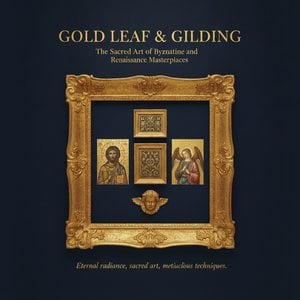
Explore the divine mastery of Byzantine gold leaf and gilding. Discover how ancient artisans used gold ground and mosaics to create celestial light, a timeless legacy of spiritual splendor and technical excellence in sacred art history.

Embark on a visual journey through the world's most radiant masterpieces. Discover how gold leaf, impasto textures, and gilded tones define luxury in fine art, from Byzantine icons to modern abstracts. Explore the eternal allure of gold in curated, museum-quality art collections.

Embark on a sophisticated journey through Italian Baroque art. Discover the dramatic interplay of light and emotion in Caravaggio’s masterpieces and explore how to bring this timeless grandeur into your collection with expert art insights.


 미리보기
미리보기
 공유하기
공유하기 공유하기
공유하기
 상세 정보
상세 정보 Guide
Guide

 다운로드
다운로드
 유사 작품
유사 작품 X-레이
X-레이 슬라이드 쇼
 통계 정보
통계 정보


 더 보기
더 보기









 유리 옵션은 110cm 미만 크기에서만 선택 가능합니다.


