

 CarvedArt Informel
 1989Contemporary
 18.0 x 23.0 cm
 미술관
미술관이 페이지에 표시된 작품은 저작권법의 보호를 받으며, 이에 따라 동일한 복제품을 제작하거나 판매하는 것은 법으로 금지되어 있습니다. 이러한 권리 보호는 다음과 같은 국제 협약에 따라 시행됩니다. 베른 협약 또한 다음에서 명시하는 법률을 포함한 국내법에 의해 보호됩니다. 미국 저작권법 제17조.
이 방식은 저작권 보호를 받는 예술 작품을 복제하거나 그대로 재현하는 것이 아니기에 저작권 규정을 완벽히 준수합니다. 대신, 이는 창의적인 재해석의 과정을 거칩니다. 즉, 원작에서 영감을 받되 원작과 동일하지 않은 새로운 회화 작품을 의미합니다.
빠른 제작과 다양한 마감 옵션을 선택할 수 있는 박물관 수준의 지클레이 및 캔버스 프린트. ( 수작업 채색 복제본 주문하기 디지털 이미지 판매 채널로 전환)
작품의 원본 비율을 그대로 유지하는 프리셋 사이즈 중에서 선택해 보세요.

액자나 벽면 크기에 맞춰 필요한 가로와 세로 길이를 입력해 주세요. 프린트는 원본 이미지보다 크게 제작할 수 없으며 오직 자르는 것만 가능하므로, 비율이 다른 사이즈를 선택할 경우 이미지의 일부가 잘려 나갈 수 있습니다. 인쇄 작업에 들어가기 전, 최종 확인을 위해 디지털 목업을 보내드립니다. 이 페이지에 표시된 이미지는 실제 잘리는 영역을 나타내지 않으며, 오직 목업을 통해서만 정확한 확인이 가능합니다.
Gothic Box
복제본 규격
In the realm of contemporary art, few voices resonate with the raw, tactile intensity of Antoni Tàpies. His work Gothic Box, created in 1989, serves as a profound testament to his philosophy of pintura matèrica—a style where the physical substance of the medium becomes the very language of the soul. This piece is not merely an object to be observed; it is an encounter with texture and history. At first glance, the viewer is drawn into a miniature world of weathered surfaces and intricate carvings that evoke the ancient and the eternal. The box, appearing as a fusion of stone and wood, carries a rustic, primordial energy that suggests it has been unearthed from a forgotten corner of Catalan history.
The artistry lies in the delicate balance between spontaneous gesture and deliberate craftsmanship. Tàpies believed that any mark expressing the human condition—even something as fleeting as graffiti on a wall—held more value than the sterile perfection of traditional museum pieces. In Gothic Box, we see this manifested through the detailed carvings of a bird and a fish, symbols that dance across the surface with a quiet, organic grace. These motifs, paired with the enigmatic letter "G" etched into the corner, invite the observer to contemplate personal inscriptions and the layers of identity that define us. The piece breathes with a life force that transcends its small 18 x 23 cm dimensions, offering a window into a universe where every scratch and indentation tells a story.
To possess or display a reproduction of this work is to invite a sense of profound depth into a space. For the discerning collector or interior designer, Gothic Box offers more than just aesthetic appeal; it provides a focal point of intellectual and emotional gravity. The technique employed by Tàpies involves an experimental use of non-traditional materials—clay, marble dust, and organic debris—to create a surface that feels alive to the touch. Even in a high-quality reproduction, the illusion of this rugged, sculptural relief is maintained, allowing the interplay of light and shadow to animate the carved figures of the bird and fish.
The emotional impact of the piece is one of quiet introspection. It evokes the feeling of holding a relic, a sacred object that bridges the gap between the ephemeral present and the enduring past. The muted, earthy tones and the weathered appearance of the "stone-like" wood create an atmosphere of serenity and strength. Whether placed in a minimalist modern gallery or nestled within a richly textured study, this artwork acts as an anchor, grounding the surrounding environment with its historical weight and artistic integrity. It is a celebration of the beauty found in imperfection, making it an essential acquisition for those who find inspiration in the rugged, the authentic, and the deeply human.
Antoni Tàpies의 "Gothic Box"의 색채 분석은 Bold한 대비와 Unified Palette한 조화를 보여줍니다.
Antoni Tàpies의 "Gothic Box"은(는) Muted의 채도로 기록되었습니다.
"Gothic Box"의 색채 강도는 Balanced입니다. 강도는 색상이 얼마나 선명하게 보이는지를 나타냅니다.


1923 - 2012 , Spain

Explore the profound emotional depth of Van Gogh's impasto technique. Discover how his sculptural brushstrokes and textured oil layers define Post-Impressionism through an expert art-historical lens, perfect for discerning collectors and fine art enthusiasts.

Explore the profound history and intricate techniques of woodblock printing. From Ukiyo-e masterpieces to the mastery of texture and grain, discover an expert guide to this timeless art form designed for discerning collectors and art enthusiasts.

Discover the exquisite mastery of pastel and chalk in fine art. Explore how texture, light, and softness create depth in Impressionist masterpieces and learn to curate these velvety textures for sophisticated, luxury interiors with expert guidance.
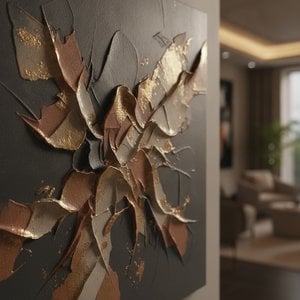
Elevate hospitality interiors with the sculptural depth of plaster and impasto art. Explore how tactile textures and relief techniques create immersive, luxurious environments for modern hotel design through expert curation and bespoke fine art commissions.

 보내기
보내기 공유하기
공유하기
 상세 보기
상세 보기 가이드 보기

 이미지 다운로드
 유사 작품 더 보기
 슬라이드 쇼 보기
 통계 정보
통계 정보 상세 보기
상세 보기






































 유리 옵션은 110cm 미만 크기에서만 선택 가능합니다.


