빠른 제작과 다양한 마감 옵션을 제공하는 박물관 품질의 지클레이 또는 캔버스 프린트. ( 손으로 그린 그림 구매 디지털 이미지로 전환)
작품의 원본 비율을 유지하는 미리 설정된 크기 중에서 선택하세요.

특정 프레임이나 공간에 맞춰 직접 치수를 입력하실 수 있습니다. 선택하신 사이즈가 원본 이미지의 비율과 일치하지 않을 경우, 작품을 크롭(자르기)하거나 이미지를 대칭 또는 단색 채우기로 확장하여 제작합니다. 제작 시작 전, 최종 확인을 위해 디지털 목업이 전송됩니다.
화면상의 미리보기는 실제 크롭이나 확장 상태를 반영하지 않으므로, 최종 구도는 오직 목업을 통해서만 정확하게 확인하실 수 있습니다.
맞춤 사이즈 제작도 가능하지만, 원본 비율을 유지하기 위해서는 사전 정의된 목록에서 치수를 선택하시는 것을 권장합니다.

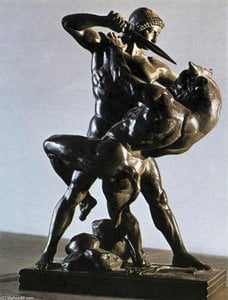
Greyhound Retrieving a Hare
복제본 크기
Antoine-Louis Barye's “Greyhound Retrieving a Hare” isn’t merely a sculpture; it’s a captured heartbeat. Completed around 1870, this bronze exemplifies the apex of the *animalier* movement – a revolutionary approach to sculpture that sought to transcend mere representation and instead imbue animals with their raw power, instinct, and inherent drama. Barye, often dubbed the “Michelangelo of the Menagerie,” achieved this remarkable feat through an unparalleled understanding of anatomy, coupled with a deeply Romantic sensibility that prioritized emotion over rigid academic constraints.
The scene unfolds with breathtaking immediacy: a greyhound, muscles taut and fur rippling, is in full pursuit. Its body arcs dramatically downwards, its powerful legs propelling it forward with explosive energy. Beneath the dog, a hare – smaller, more compact, and seemingly caught off guard – provides a vital counterpoint to the dynamic action. The composition isn’t static; it's a carefully orchestrated dance of movement, capturing the precise instant before the chase concludes. Barye masterfully uses negative space—the open areas around the figures—to further emphasize their dynamism and create a sense of depth within the sculpture.
Barye’s technical prowess is immediately evident in the exquisite detail of this piece. He was a pioneer of the lost-wax casting process (cire perdue), a method that allowed him to achieve an astonishing level of realism and intricacy. The bronze itself, meticulously crafted, showcases subtle variations in tone – from the deep, lustrous blacks of the dog’s coat to the warmer browns and golds highlighting its musculature. The texture of the fur is remarkably convincing, achieved through careful manipulation of the wax model before casting. Notice, too, the delicate rendering of the hare's paws and ears—a testament to Barye’s painstaking attention to detail.
The sculpture’s surface isn’t smooth; it bears the marks of the casting process – subtle ridges and imperfections that add to its tactile quality. These irregularities are not flaws, but rather evidence of the artist's skill and the inherent beauty of the technique itself. Barye didn’t shy away from showcasing the tools of his trade, believing that the process was as important as the final product.
“Greyhound Retrieving a Hare” is more than just a depiction of a hunt; it's a potent exploration of primal instincts and the eternal struggle between predator and prey. The greyhound, traditionally associated with speed, nobility, and loyalty, embodies the relentless pursuit of instinct. The hare, representing agility, cunning, and vulnerability, becomes a symbol of resistance against overwhelming force. The sculpture taps into deeply rooted human fascination with these themes – the thrill of the chase, the tension between life and death, and the inherent drama of the natural world.
Barye’s work resonates powerfully within the context of Romanticism, a movement that celebrated emotion, individualism, and the sublime. He sought to capture not just the outward appearance of animals but also their inner lives—their passions, fears, and desires. “Greyhound Retrieving a Hare” is a visceral expression of this Romantic ideal, inviting viewers to contemplate the raw beauty and untamed spirit of the animal kingdom.
Originally created as a bronze sculpture, "Greyhound Retrieving a Hare" has been reproduced extensively through hand-painted reproductions. These modern interpretations retain the essence of Barye’s original vision—the dynamic composition, the exquisite detail, and the profound emotional impact. Whether displayed in a private collection or adorning a grand interior space, this artwork continues to captivate audiences with its timeless appeal.

1796 - 1875 , 프랑스

Discover the enduring allure of bronze sculpture. From the intricate lost-wax process to Neoclassical masterpieces, our expert guide offers connoisseurs deep insights into evaluating patina, historical significance, and integrating metal fine art into sophisticated collections.

Discover the enduring elegance of bronze sculpture. From ancient Roman strength to Art Deco sophistication, explore our expert guide on collecting, casting techniques, and integrating timeless metal masterpieces into your fine art collection.

Discover the enduring allure of bronze sculptures at WahooArt.com. From classical lost-wax casting to modern metal masterpieces, explore museum-quality artworks designed to elevate luxury interiors. Expert curation, authenticity guaranteed, and worldwide shipping for discerning collectors.


 공유하기
공유하기 공유하기
공유하기
 상세 정보
상세 정보

 다운로드
다운로드
 유사 작품
유사 작품 슬라이드 쇼
 통계 정보
통계 정보

 더 보기
더 보기






































 유리 옵션은 110cm 미만 크기에서만 선택 가능합니다.