웹 미리보기 화면을 훨씬 뛰어넘는 인쇄용 파일을 만나보세요. 저희가 판매하는 모든 디지털 이미지는 스톡 데이터베이스 내의 고해상도 마스터 파일(일반적으로 가로 5,000~15,000픽셀)을 기반으로 합니다. 따라서 대형 인쇄나 정밀한 크롭 작업 시에도 세밀한 디테일을 자신 있게 구현할 수 있습니다.
저희 스튜디오를 거치는 모든 파일은 정교한 손길을 거칩니다. 디지털 전문가가 원작과 대조하여 색상을 점검하고 필요 시 보정하며, 전문 리터칭 도구를 사용하여 선명도와 디테일을 높입니다. 이 과정에서 작가의 붓 터치와 화풍을 충실히 유지하는 것을 원칙으로 합니다. 그 결과, 단순한 스캔본에 필터를 입힌 듯한 느낌이 아닌, 마치 실제 회화 작품을 보는 듯한 이미지를 구현해냅니다.
최종 완료 전 확인 단계가 있습니다. 전문가가 검토하실 수 있도록 72시간 이내에 이메일로 이미지를 보내드립니다. 결과물이 만족스럽지 않으신가요? 수정이나 보완을 요청하시거나, 품질이 기대에 미치지 못할 경우 환불을 요청하실 수 있습니다.
출판사, 디자인 스튜디오, 갤러리 및 인쇄소가 신뢰하는 바로 그 품질입니다.
개인 소장 및 전시, 인쇄, 창작 프로젝트를 위한 고해상도 파일을 다운로드하세요. ( 프린트 판매로 전환 수작업 채색 복제본 주문하기)
WahooArt.com를 선택하시면 단순히 이미지를 받는 것을 넘어, 정밀한 보정 과정을 거쳐 완성된 전문적인 디지털 예술 작품을 만나보실 수 있습니다. 모든 작품에는 만족 보장 서비스가 함께 제공되며, 주문 시 다음과 같은 사항들이 자동으로 포함됩니다:
주문 후 72시간 이내에 고해상도 디지털 이미지 파일이 이메일로 발송되며, 즉시 사용하실 수 있습니다.
귀하의 작품은 고급 AI 기술과 정교한 수동 편집 과정을 거쳐 전문적으로 최적화되며, 이를 통해 디테일과 선명도, 색상의 정확도를 극대화합니다.
파일을 실수로 삭제하거나 분실하셨나요? 걱정 마세요. 언제든 무료로 다시 보내드립니다.
관세나 부가세, 배송비 부담 없이 작품을 즉시 소장하세요 - 디지털 다운로드는 언제나 면세 혜택이 적용됩니다.
전문적인 도구와 색상 관리 시스템을 통해 디지털 이미지가 원본의 색상을 최대한 정확하게 구현하도록 보장합니다.
구매하신 디지털 이미지에 만족하지 못하실 경우, 100일 이내에 별도의 조건 없이 수정 또는 100% 환불을 진행해 드립니다.
만족스럽지 않으신가요? 디지털 파일을 받으신 후 100일 이내에 조건 없이 전액 환불해 드립니다.
이미지 3매 구매 시 10% 할인 - 5매 구매 시 15% 할인 - 10매 이상 구매 시 20% 할인. 크리에이티브 프로젝트, 갤러리, 에이전시에 매우 유용합니다.
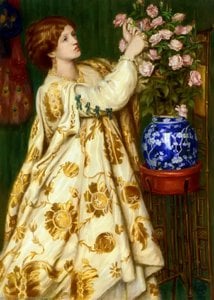
Anthony Frederick Augustus Sandys's “Grace Rose,” painted in 1866, is more than just a portrait; it’s a meticulously crafted tableau vivant, a shimmering glimpse into the opulent world of Victorian society and infused with the evocative spirit of the Pre-Raphaelites. This captivating work, now housed at the Yale Center for British Art, reveals Sandys's profound understanding of color, texture, and symbolic detail – elements that elevate it beyond a simple likeness to a richly layered exploration of beauty, femininity, and the allure of antiquity.
The subject herself, Grace Charlotte Rose, was a woman of considerable social standing, the daughter of Captain Winterton Snow and wife of Sir William Anderson Rose. Sandys’s choice to depict her in such exquisite detail speaks volumes about the importance placed on lineage and status within Victorian society. However, it's not merely a celebration of wealth; rather, the painting subtly hints at a deeper narrative woven through carefully chosen motifs. The elegant pose, the delicate lace trim, and the shimmering pearls all contribute to an atmosphere of refined grace, while simultaneously grounding the portrait in a tradition of aristocratic portraiture.
Sandys’s technical mastery is immediately apparent. He employs a rich, velvety impasto technique, building up layers of paint to create a tactile surface that invites close inspection. The delicate rendering of Grace's silk dress, the subtle sheen of her jewelry, and the intricate details of the antique vase all demonstrate his exceptional skill in capturing texture and light. Notably, Sandys deliberately avoids the stark realism favored by earlier portraitists, instead opting for a softer, more atmospheric approach—a hallmark of Pre-Raphaelite painting.
The composition is carefully orchestrated to draw the viewer’s eye through a series of interconnected elements. The green marble parapet, reminiscent of Italian Renaissance architecture, provides a dramatic backdrop for Grace and establishes an immediate connection to classical antiquity. The arrangement of the pink, crimson, and yellow roses within the vase isn't merely decorative; it speaks to themes of beauty, love, and fleeting moments—a common preoccupation in Pre-Raphaelite art. The inclusion of Japanese painted screens, a popular motif during this period (Japonisme), further enhances the sense of exoticism and adds another layer of visual richness.
“Grace Rose” occupies a fascinating space between the Pre-Raphaelite Brotherhood and the burgeoning aesthetic movement. Sandys, like many artists of his time, was drawn to the Pre-Raphaelite’s emphasis on beauty, detail, and mythological subjects, but he also embraced the aesthetic movement's fascination with decorative arts and exotic influences. The painting’s opulent details—the gold jewelry, the intricate vase, the Japanese screens—reflect this dual sensibility.
The choice of a Japanese screen as a backdrop is particularly significant. It represents a deliberate attempt to incorporate elements of Eastern art into a Western context, aligning with the aesthetic movement's interest in creating visually stimulating and emotionally evocative works. Furthermore, Sandys’s use of color—the rich reds, greens, and golds—is deliberately heightened, creating a sense of dramatic intensity that is characteristic of both Pre-Raphaelite and aesthetic paintings.
Ultimately, “Grace Rose” transcends its formal elements to evoke a powerful emotional response. The portrait captures not just Grace’s physical appearance but also her inner grace and dignity. The subtle gaze, the delicate expression, and the overall atmosphere of quiet elegance suggest a woman of considerable intelligence and refinement. It's a painting that invites contemplation—a reminder of the beauty and complexity of Victorian society and the enduring power of art to capture the essence of human experience.
프레데릭 샌디스의 "Grace Rose"은(는) 디지털 이미지로 고해상도 디지털 이미지 다운로드할 수 있으며, 작품의 다운로드 페이지에서 다운로드 가능합니다.
프레데릭 샌디스의 "Grace Rose" 작품의 경우 Medium 크기의 복제본을 추천합니다. 비율을 유지하면서 크기를 조정할 수 있습니다.
프레데릭 샌디스의 "Grace Rose"의 색채 정체성: Walnut (#7f5827)이(가) 주를 이루는 Earthy 팔레트.


1829 - 1904 , 영국

 실제 크기로 보기
 보내기
보내기 공유하기
공유하기
 상세 보기
상세 보기 가이드 보기

 이미지 다운로드
 유사 작품 더 보기
 X-레이
X-레이 슬라이드 쇼 보기
 Q&A
Q&A 통계 정보
통계 정보


 상세 보기
상세 보기