A Profound Expression of Faith: Delving into Andy Warhol’s “Yellow Candy Box”
This captivating print by
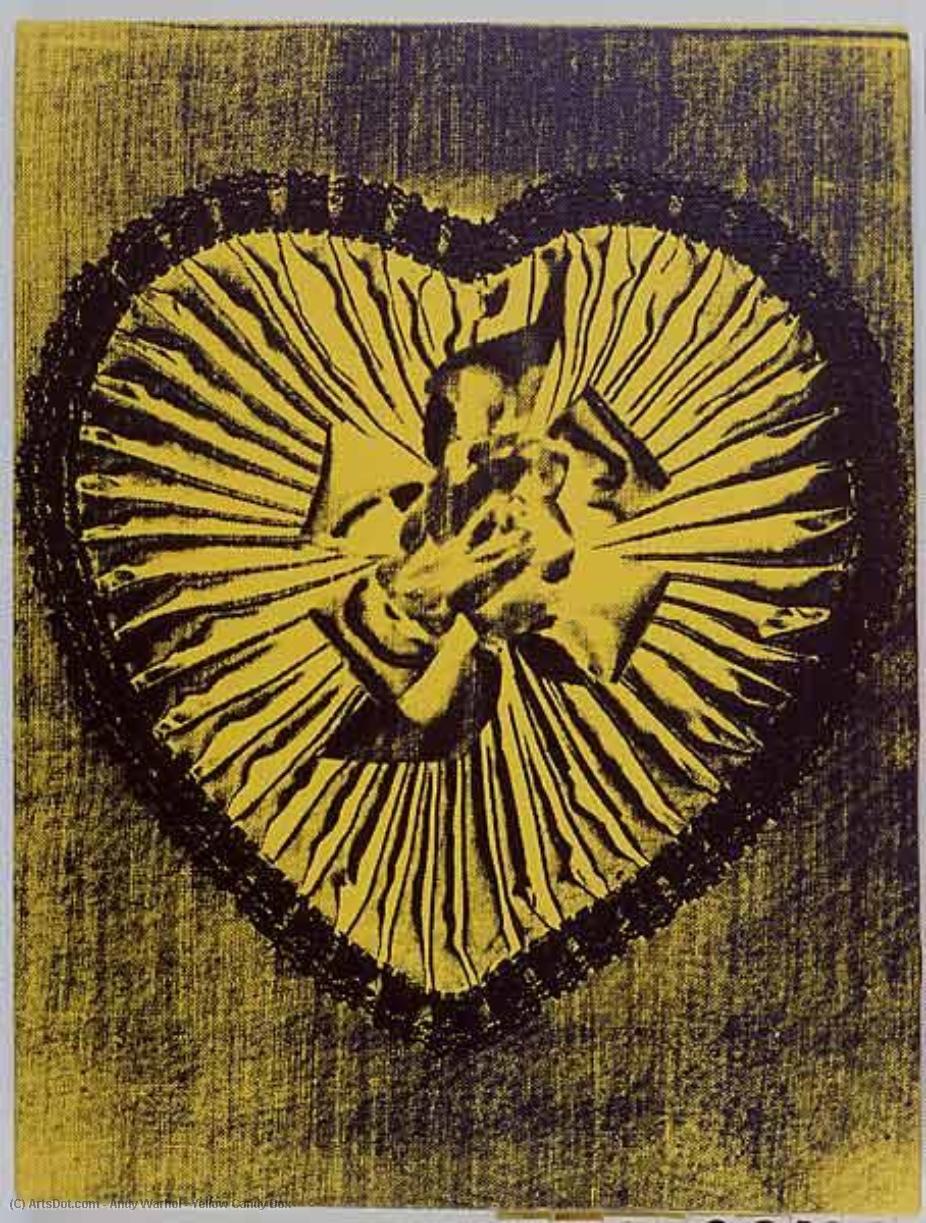
Andy Warhol transcends his celebrated Pop Art persona, offering a deeply personal and introspective glimpse into the artist's spiritual inclinations. Far removed from silkscreens of soup cans or celebrity portraits, "Yellow Candy Box" is a powerful meditation on devotion, longing, and the human condition – distilled through Warhol’s uniquely compelling visual language.
Style & Technique: A Fusion of Influences
While inextricably linked to Pop Art, “Yellow Candy Box” demonstrates a fascinating stylistic departure for Warhol. The work subtly echoes both the boldness of
Art Deco, with its strong outlines and flattened perspective, and the emotional intensity of
Expressionism. This intriguing blend creates a visual tension – prioritizing emotive impact over strict representational accuracy.
- The technique appears to be printmaking, likely lithography or etching, evidenced by the textured surface and subtle graininess.
- This choice is significant; printmaking allowed for multiple iterations, aligning with Warhol's interest in mass production.
- However, it also lends a handcrafted quality that belies the mechanical process, adding depth and visual richness to the composition.
Subject & Symbolism: The Heart of Devotion
At the core of this artwork is a figure in profile, seemingly engaged in prayer or supplication within the confines of a large, ornate heart shape. This immediately evokes universal themes of love, faith, devotion, and longing. Radiating lines emanate from the figure, suggesting divine light, energy, or perhaps the outward expression of inner emotion.
- The heart is not presented as a saccharine symbol of romance but rather as a dramatic vessel containing profound human experience.
- Its dark, velvety border creates a sense of enclosure and intensity, emphasizing the weight of the emotions contained within.
- The golden background elevates the spiritual connotations, referencing Byzantine mosaics or religious iconography.
Historical Context & Warhol’s Artistic Range
Born in 1928,
Andy Warhol rose to prominence as a leading figure in the Pop Art movement of the 1960s. He challenged traditional notions of art by elevating everyday objects and celebrity imagery to high art status. However, his artistic practice was far more diverse than often acknowledged. Works like “Yellow Candy Box” reveal a deeper exploration of existential themes and personal spirituality that existed alongside his more commercially driven pieces.
- Warhol’s lifelong fascination with religion stemmed from his devout Byzantine Catholic upbringing.
- This piece can be seen as a visual manifestation of those early influences, filtered through his unique artistic lens.
Emotional Impact & Interior Design Considerations
“Yellow Candy Box” evokes a sense of solemnity, introspection, and spiritual yearning. It’s a work that invites contemplation and encourages viewers to connect with their own emotions. The dramatic contrast between the dark foreground and bright gold background creates visual tension, drawing the eye towards the central figure and amplifying its emotional power.
- This artwork would be a striking addition to modern or contemporary interior spaces.
- Its rich color palette and bold composition make it suitable for living rooms, dining rooms, or studies.
- The piece’s introspective nature also lends itself well to more private spaces like bedrooms or meditation rooms.
- A high-quality reproduction would capture the nuances of texture and color, allowing you to experience the emotional power of Warhol's vision in your own home.



 미리보기
미리보기
 손으로 그린 그림 구매
 공유하기
공유하기 공유하기
공유하기
 상세 정보
상세 정보

 다운로드
다운로드
 유사 작품
유사 작품 X-레이
X-레이 슬라이드 쇼

 더 보기
더 보기






































 유리 옵션은 110cm 미만 크기에서만 선택 가능합니다.





