A Pop Icon Reimagined: Decoding Andy Warhol’s ‘Untitled (2126)’
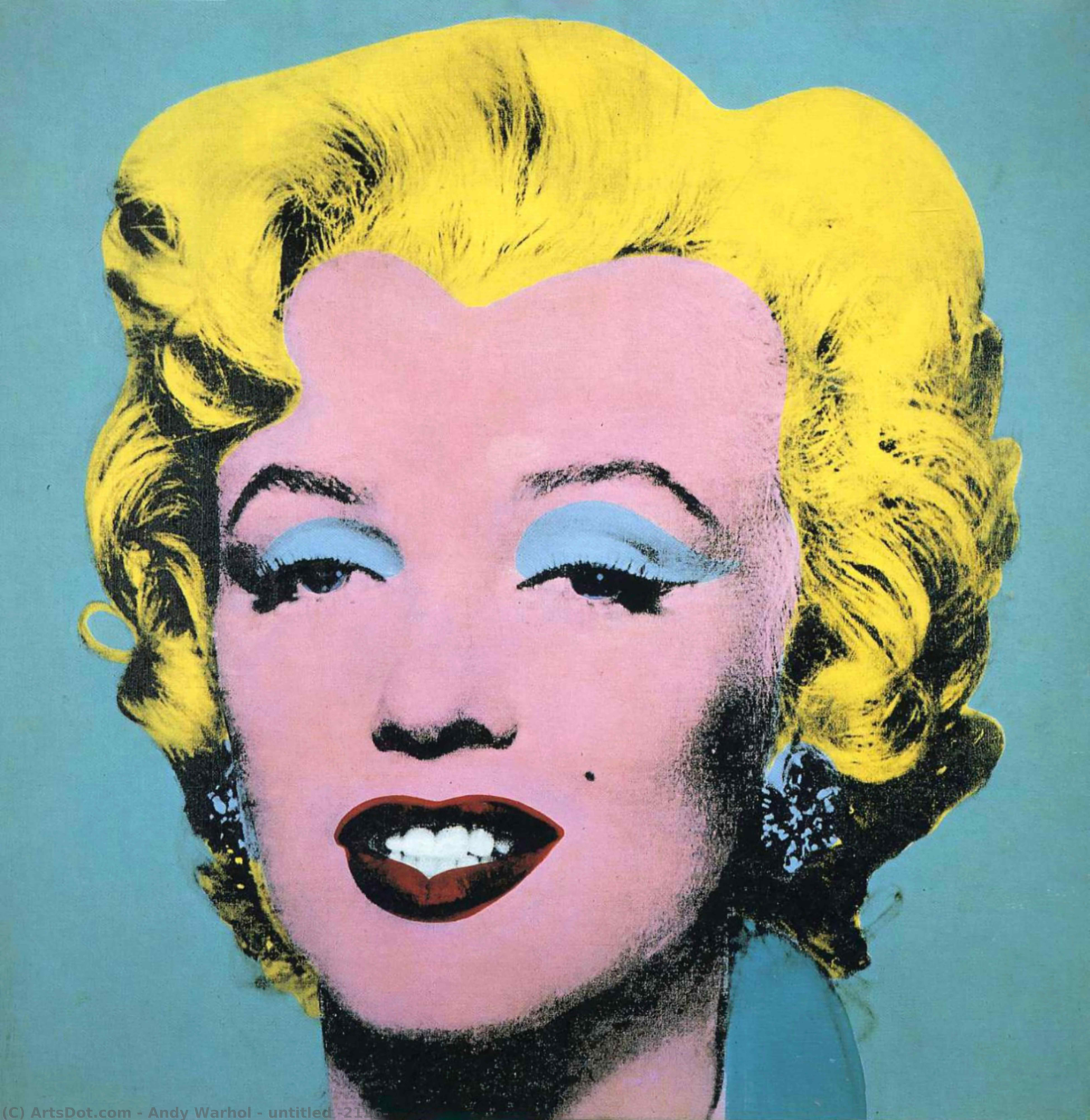
Andy Warhol's *Untitled (2126)* is far more than a portrait; it’s a cultural touchstone, a vibrant distillation of 20th-century celebrity and consumerism. This silkscreen print featuring Marilyn Monroe exemplifies Warhol’s groundbreaking contribution to the Pop Art movement, challenging traditional notions of artistic subject matter and technique. It's a work that continues to resonate with audiences today, inspiring both admiration and critical reflection.
Subject & Style: The Enduring Allure of Marilyn
The artwork centers on a close-up depiction of Marilyn Monroe’s face – an image instantly recognizable across the globe. Warhol doesn't present Monroe as a vulnerable individual but rather as an *icon*, a manufactured persona endlessly reproduced and consumed by mass media. His style is deliberately detached, almost mechanical in its precision. The flattened planes of color, bold outlines, and lack of subtle shading contribute to this effect, mirroring the aesthetic of advertising and commercial printing. This deliberate removal of painterly touch was revolutionary; Warhol aimed to eliminate the artist’s hand, reflecting a society increasingly defined by mass production.
Technique & Materials: The Power of Repetition
*Untitled (2126)* is a prime example of Warhol's signature silkscreen printing technique. This process involved transferring an image onto a mesh screen and then using ink to create multiple impressions on canvas or paper. The repetition inherent in the silkscreen method perfectly aligned with Warhol’s fascination with mass production and celebrity culture. Slight variations between each impression, often visible upon close inspection, subtly underscore the idea of replication and the blurring of originality in a media-saturated world. The use of vibrant, non-naturalistic colors – bright yellow and blue dominating this particular iteration – further emphasizes the artificiality of the image and its detachment from reality.
Historical Context: Pop Art & Post-War America
Emerging in the 1960s, Pop Art was a direct response to Abstract Expressionism’s emphasis on subjective emotion and individual expression. Warhol, along with artists like Roy Lichtenstein, sought to embrace popular culture – advertising, comic books, and celebrity imagery – as legitimate subjects for art. Post-World War II America experienced unprecedented economic prosperity and the rise of consumerism. *Untitled (2126)* reflects this cultural shift, capturing the era’s obsession with fame, beauty, and manufactured desire. It's a visual commentary on a society increasingly defined by its media landscape.
Symbolism & Emotional Impact: Fame, Mortality & The American Dream
While seemingly straightforward, *Untitled (2126)* is rich in symbolic meaning. Monroe herself represents the allure and fragility of the American dream. Her tragic life and untimely death add a layer of melancholy to the image, hinting at the dark side of fame. The bold colors can be interpreted as both celebratory and unsettling – reflecting the superficiality and artificiality often associated with celebrity culture. The artwork doesn’t offer easy answers; instead, it provokes questions about identity, representation, and the nature of reality in a mass-mediated world. It evokes a sense of both fascination and unease, prompting viewers to confront their own relationship with celebrity and consumerism.
Collecting Warhol: Bringing Pop Art Home
For collectors and interior designers alike, *Untitled (2126)* offers a powerful statement piece. Its bold colors and iconic imagery make it suitable for a variety of spaces – from modern lofts to contemporary living rooms. A high-quality reproduction allows you to experience the impact of Warhol’s vision without the expense of an original work. Consider pairing this artwork with minimalist furniture and neutral color palettes to allow its vibrant energy to truly shine.
Exploring Further: Other Works by Andy Warhol
- Campbell's Soup Cans (1962): A quintessential example of Pop Art, elevating everyday consumer goods to the level of fine art.
- Marilyn Diptych (1962): A monumental work exploring themes of repetition, fame, and mortality through multiple images of Marilyn Monroe.
- Electric Chair (1967-1968): A stark and unsettling commentary on capital punishment and the American justice system.
Warhol’s legacy continues to inspire artists and captivate audiences worldwide. *Untitled (2126)* stands as a testament to his enduring influence, reminding us of the power of art to reflect – and challenge – the culture in which it is created.



 미리보기
미리보기
 손으로 그린 그림 구매
 공유하기
공유하기 공유하기
공유하기
 상세 정보
상세 정보

 다운로드
다운로드
 유사 작품
유사 작품 X-레이
X-레이 슬라이드 쇼

 더 보기
더 보기






































 유리 옵션은 110cm 미만 크기에서만 선택 가능합니다.





