A Celebration of Color and Pop Art Iconography
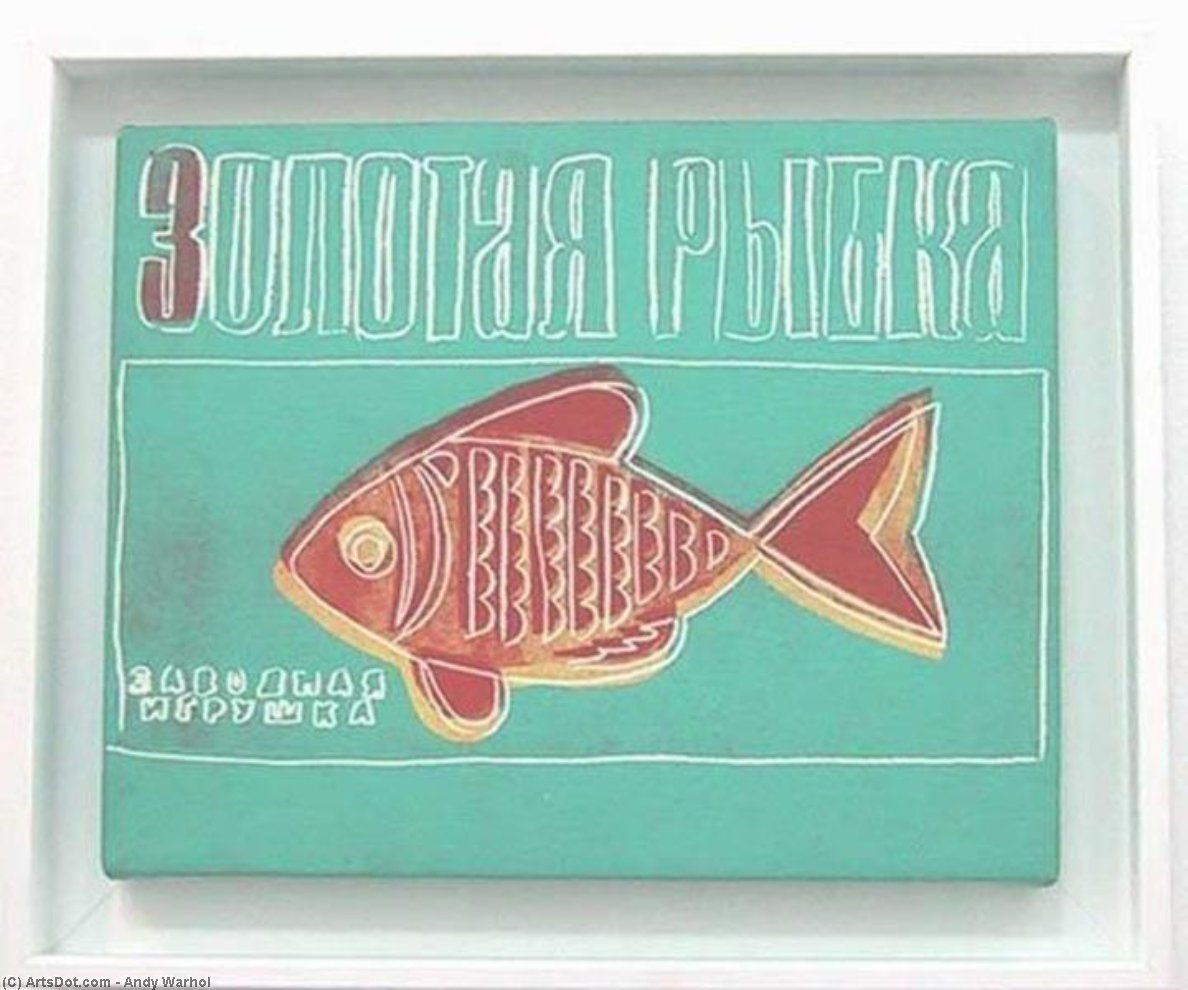
Andy Warhol’s “Toy Fish,” completed in 1983, stands as a quintessential embodiment of the Pop Art movement—a stylistic rebellion against the solemn traditions of Abstract Expressionism that dominated the preceding decade. Born Andrew Warhola Jr., Warhol ascended to artistic prominence through his pioneering use of silkscreen printing and his fascination with mass media imagery, transforming everyday objects into monumental canvases imbued with profound cultural significance.
The Technique: Silkscreen Printing – Democratizing Art
Warhol’s method wasn't merely about applying paint; it was a calculated process designed to maximize efficiency and reproducibility. He utilized silkscreen printing—developed initially for textile manufacturing—allowing him to transfer images onto paper with remarkable precision and consistency. This technique involved creating a stencil from photographic reproductions of his subjects, transferring the image onto acetate sheets, masking off areas to achieve desired effects, and then applying ink through screens positioned beneath the acetate. The resulting prints possessed a distinctive sheen and vibrant color saturation that distinguished them dramatically from hand-painted artworks.
A Visual Dialogue with Mass Media
"Toy Fish," like many of Warhol’s works, deliberately references popular culture—specifically comic books and advertising campaigns—reflecting Warhol's belief that art should engage directly with the visual language of contemporary society. The bold orange hue of the fish’s body echoes the vibrant colors found in superhero comics, while the yellow fin mimics the stylized lettering used in promotional materials. This juxtaposition wasn’t accidental; Warhol sought to elevate commonplace images into artistic statements, questioning notions of originality and challenging viewers to reconsider their perceptions of beauty.
Symbolism: Playful Representation of Innocence
Despite its references to commercial branding, “Toy Fish” carries a subtle layer of symbolic meaning. The fish itself—a universally recognized symbol of fertility, abundance, and spiritual renewal—represents an optimistic vision of the future. Warhol’s deliberate simplification of form—reducing the fish to its essential contours—underscores his commitment to stripping away extraneous detail and conveying emotion through pure visual impact. This playful depiction contrasts sharply with the anxieties prevalent during Warhol's time, offering a counterpoint to the pervasive disillusionment following World War II.
Emotional Resonance: Capturing Joyful Energy
Ultimately, “Toy Fish” succeeds in capturing a palpable sense of joyful energy—a characteristic hallmark of Warhol’s artistic vision. The artwork radiates optimism and exuberance, inviting contemplation on themes of innocence, playfulness, and the transformative power of art to elevate ordinary subjects into extraordinary expressions of emotion. It remains an enduring testament to Warhol's genius as both a technician and a conceptual innovator, cementing his legacy as one of the most influential artists of the 20th century.



 미리보기
미리보기
 손으로 그린 그림 구매
 공유하기
공유하기 공유하기
공유하기
 상세 정보
상세 정보

 다운로드
다운로드
 유사 작품
유사 작품 X-레이
X-레이 슬라이드 쇼
 더 보기
더 보기






































 유리 옵션은 110cm 미만 크기에서만 선택 가능합니다.





