A Shadow of Self: Decoding Andy Warhol’s Enigmatic Portrait
Andy Warhol, a name synonymous with Pop Art's vibrant explosion onto the 20th-century art scene, often explored the superficiality and manufactured personas of fame. However, beneath the brightly colored silkscreens of celebrities and consumer goods lay a profound fascination with identity, perception, and the hidden depths within us all. “The Shadow,” created in 1981, offers a compelling glimpse into this more introspective side of Warhol’s artistic vision. Far removed from the bold commercial aesthetic he pioneered, this work is a study in contrasts – light and darkness, self and other – rendered with a haunting simplicity that lingers long after viewing.
Myths and Mirrors: Contextualizing “The Shadow”
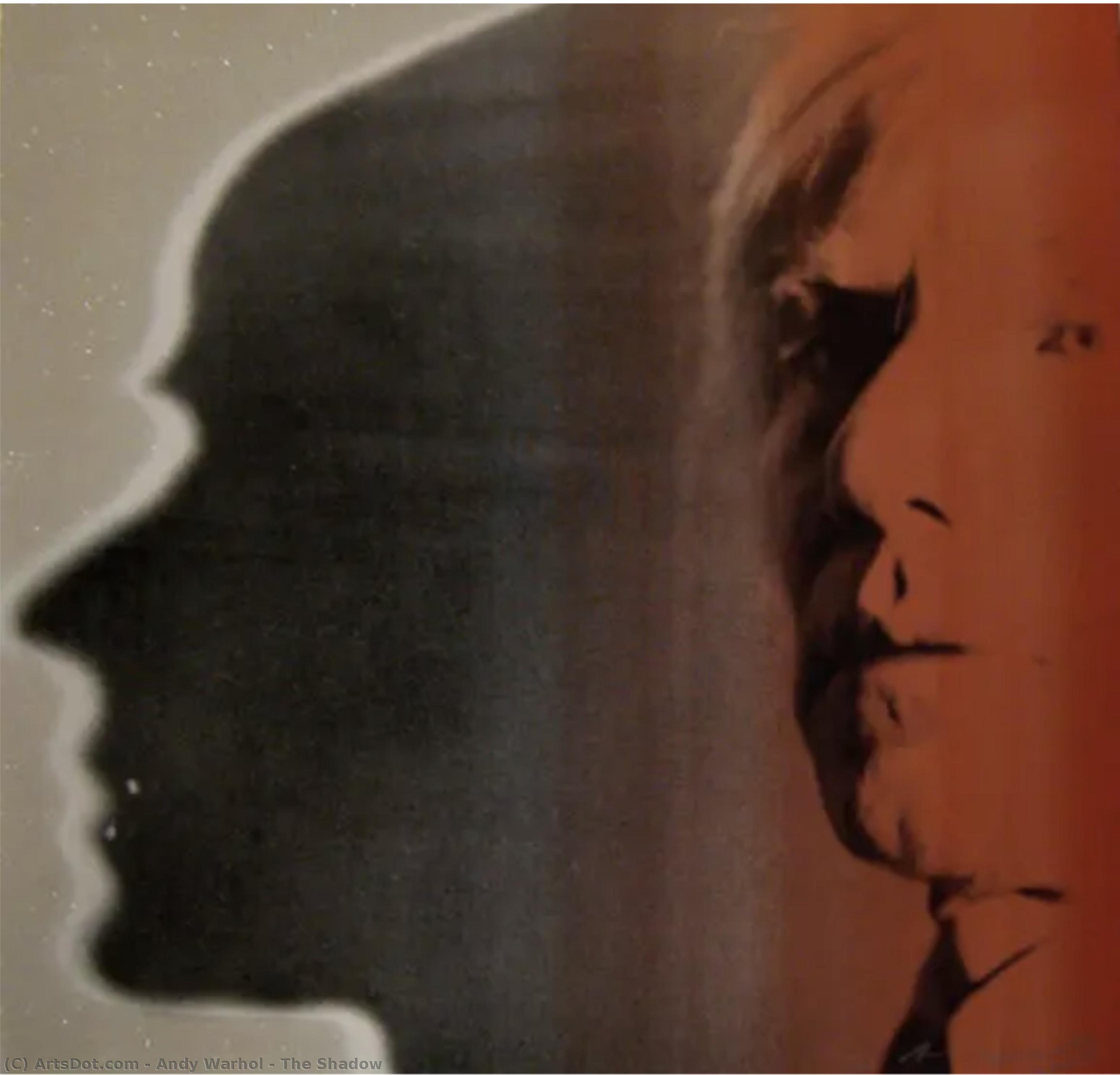
“The Shadow” emerges from Warhol’s “Myths” series of 1981, a portfolio of screenprints depicting iconic figures drawn from American folklore, popular culture, and even the artist's own imagination. Alongside Superman, Mickey Mouse, and Dracula, Warhol chose to represent ‘The Shadow,’ a mysterious radio hero who captivated audiences during the 1930s and 40s. This wasn’t merely an exercise in nostalgia; it was a deliberate exploration of archetypes and the power of constructed identities. The choice to *become* The Shadow – using his own likeness as the subject – is particularly striking. Warhol doesn't present us with a heroic depiction, but rather a fragmented self-portrait, bathed in dramatic lighting that emphasizes the duality inherent in human nature. It’s a fascinating intersection of personal and cultural iconography.
Technique and Texture: A Study in Contrast
The screenprint technique itself is crucial to understanding “The Shadow.” Warhol's masterful use of color – or rather, the deliberate limitation of it – creates a stark visual impact. The artist’s face is rendered in washes of deep red, suggesting passion, vitality, but also perhaps danger or even violence. This vibrant hue sharply contrasts with the cool blue of the shadow itself, creating a sense of unease and psychological distance. The addition of diamond dust to the surface adds a subtle shimmer, hinting at the artificiality and glamour often associated with celebrity culture – a recurring theme in Warhol’s work. The composition is deliberately simple, focusing on the stark profile and elongated shadow, forcing the viewer to confront the unsettling ambiguity of the image. It's not about precise representation; it’s about evoking a feeling, a mood, an internal struggle.
The Emotional Resonance: Introspection and Identity
“The Shadow” is more than just a portrait; it’s a psychological exploration of the self. The shadowy figure looming behind Warhol's face can be interpreted in numerous ways – as a representation of his hidden desires, his anxieties, or even the darker aspects of his personality. It speaks to the universal human experience of grappling with our own inner demons and the masks we wear to navigate the world. The work invites introspection, prompting viewers to consider their own shadows—the parts of themselves they conceal from others, and perhaps even from themselves. In a career often defined by surface appearances, “The Shadow” reveals a rare moment of vulnerability and self-examination from one of the most iconic artists of the 20th century.



 미리보기
미리보기
 손으로 그린 그림 구매
 공유하기
공유하기 공유하기
공유하기
 상세 정보
상세 정보

 다운로드
다운로드
 유사 작품
유사 작품 X-레이
X-레이 슬라이드 쇼

 더 보기
더 보기






































 유리 옵션은 110cm 미만 크기에서만 선택 가능합니다.