

빠른 제작과 다양한 마감 옵션을 선택할 수 있는 박물관 수준의 지클레이 및 캔버스 프린트. ( 수작업 채색 복제본 주문하기 디지털 이미지 판매 채널로 전환)
작품의 원본 비율을 그대로 유지하는 프리셋 사이즈 중에서 선택해 보세요.

액자나 벽면 크기에 맞춰 필요한 가로와 세로 길이를 입력해 주세요. 프린트는 원본 이미지보다 크게 제작할 수 없으며 오직 자르는 것만 가능하므로, 비율이 다른 사이즈를 선택할 경우 이미지의 일부가 잘려 나갈 수 있습니다. 인쇄 작업에 들어가기 전, 최종 확인을 위해 디지털 목업을 보내드립니다. 이 페이지에 표시된 이미지는 실제 잘리는 영역을 나타내지 않으며, 오직 목업을 통해서만 정확한 확인이 가능합니다.
Untitled (833)
복제본 규격

In the golden age of Flemish painting, when the salt spray of the North Sea met the burgeoning maritime power of the Low Countries, one artist emerged to capture the untamed spirit of the ocean. Andries van Eertvelt, born in Antwerp in 1590, was not merely a painter of water and wind; he was a pioneer who redefined the boundaries of marine art. While his contemporaries often focused on the terrestrial triumphs of portraiture or religious devotion, van Eertvelt turned his gaze toward the horizon, finding profound drama in the churning waves, the creaking timber of Dutch ships, and the perilous beauty of naval warfare.
Van Eert velt’s journey began in the heart of Antwerp, a city pulsating with artistic energy. Baptized in the magnificent Antwerp Cathedral, his early years were steeped in the traditions of the Guild of St. Luke, where he officially registered as a master in 1609. Though the records of his formal apprenticeship remain lost to time, his technical prowess suggests a rigorous foundation in the Flemish tradition. His life, however, was marked by both personal tragedy and profound wanderlust. Following the death of his wife, Catherine de Vlieger, in the mid-1620s, van Eertvelt embarked on a transformative journey through Italy. Accompanied by his pupil, Matthieu van Plattenberg, he found himself in Genoa between 1628 and 1630, living alongside the renowned marine artist Cornelis de Wael. This period of Mediterranean exposure likely infused his work with a new understanding of light and atmosphere, bridging the gap between the rugged Northern maritime style and the luminous sensibilities of the South.
The true genius of van Eertvelt lies in his ability to translate the chaotic energy of the sea into a structured, emotive visual narrative. He was one of the first Flemish artists to specialize specifically in marine subjects, moving beyond mere background scenery to make the ocean the central protagonist of his canvases. His work often oscillates between two distinct modes: the terrifying intensity of naval combat and the serene, yet powerful, majesty of the open sea.
In his depictions of battle, such as the epic The Battle of Lepanto or his visceral Sea Battle, the viewer is thrust into the heart of the conflict. Here, the artist employs a masterful command of Baroque dynamism, using thick textures and dramatic lighting to convey the smoke of cannon fire, the splintering of masts, and the desperate struggle of sailors amidst the waves. Conversely, in works like Two Ships at Anchor, he demonstrates an incredible capacity for stillness and realism. In these compositions, the focus shifts to the subtle play of light upon calm waters and the meticulous detail of the vessels, showcasing a profound respect for the technical anatomy of the ships that defined his era.
His artistic repertoire was remarkably diverse, encompassing:
The historical importance of Andries van Eertvelt cannot be overstated. By carving out a specialized niche within the Flemish school, he laid the groundwork for generations of marine painters who would follow in his wake. He transformed the sea from a mere setting into a psychological landscape capable of expressing human vulnerability and triumph. His ability to blend the meticulous detail required by the Northern tradition with the dramatic, theatrical flair of the Baroque movement allowed him to create works that were both intellectually stimulating and emotionally resonant.
As a master, draughtsman, and engraver, his influence extended far beyond his own brushstrokes; many of his pupils went on to become prominent figures in the maritime art world, ensuring that his vision of the sea continued to evolve. Today, when we look upon a van Eertvelt seascape, we are not just looking at water and wood; we are witnessing the birth of a genre. His legacy remains etched in the salt-stained canvases of history, reminding us of a time when the mastery of the elements was the ultimate frontier of artistic expression.

1590 - 1652 , Belgium

Explore the captivating world of Baroque Classicism! Discover its history, key artists like Caravaggio & Rubens, and defining characteristics. Expert insights & high-quality reproductions at WahooArt.

Explore the rich history & enduring techniques of oil painting on canvas. Discover the science behind its longevity, conservation practices, and contemporary relevance. Expert insights for art enthusiasts.

렘브란트 반 레인 명작 25선을 만나보세요. 빛과 그림자의 거장이 그린 역사화, 초상화 속 예술의 정수를 감상하고, 네덜란드 황금시대 바로크 미술의 깊이를 느껴보세요. WahooArt.com에서 고품질 복제화를 컬렉션하세요.

화려함과 극적인 표현이 압권! 바로크 미술을 대표하는 10대 걸작의 숨겨진 이야기를 만나보세요. 베르니니, 루벤스 등 거장의 작품부터 바로크 색감, 예술적 기법까지 – WahooArt.com에서 명품 복제 & 인테리어 영감을 얻으세요! 지금 바로 컬렉션을 탐험해보세요.
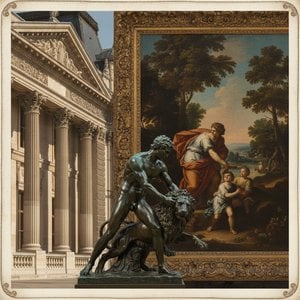
Explore the profound elegance of Baroque Classicism. Discover how 17th-century masters synthesized dramatic emotion with classical order through the lens of the Counter-Reformation and the works of legends like Carlo Maratta and Andrea Sacchi.

 실제 크기로 보기
 보내기
보내기 공유하기
공유하기
 상세 보기
상세 보기 가이드 보기

 이미지 다운로드
 유사 작품 더 보기
 X-레이
X-레이 슬라이드 쇼 보기
 통계 정보
통계 정보
 상세 보기
상세 보기






































 유리 옵션은 110cm 미만 크기에서만 선택 가능합니다.


