x


 OilWallArtBaroque Classicism
 58.0 x 77.0 cm
 에르미타주 박물관
빠른 제작과 다양한 마감 옵션을 제공하는 박물관 품질의 지클레이 또는 캔버스 프린트. ( 손으로 그린 그림 구매 이미지 구매)





























작품의 원본 비율을 유지하는 미리 설정된 크기 중에서 선택하세요.

특정 프레임이나 공간에 맞춰 직접 치수를 입력하실 수 있습니다. 선택하신 사이즈가 원본 이미지의 비율과 일치하지 않을 경우, 작품을 크롭(자르기)하거나 이미지를 대칭 또는 단색 채우기로 확장하여 제작합니다. 제작 시작 전, 최종 확인을 위해 디지털 목업이 전송됩니다.
화면상의 미리보기는 실제 크롭이나 확장 상태를 반영하지 않으므로, 최종 구도는 오직 목업을 통해서만 정확하게 확인하실 수 있습니다.
맞춤 사이즈 제작도 가능하지만, 원본 비율을 유지하기 위해서는 사전 정의된 목록에서 치수를 선택하시는 것을 권장합니다.

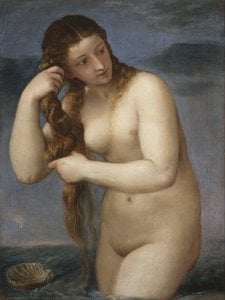
Venus at Rest
복제본 크기
Andrea Sacchi’s “Venus at Rest” isn't merely a painting; it’s an invitation to step into a realm of classical grace and contemplative beauty. Completed in the mid-17th century, during the height of the Baroque period in Rome, this oil on canvas transports us to a world where mythology intertwines with idealized serenity. The work, now housed within the esteemed Hermitage Museum in St. Petersburg, Russia, is a testament to Sacchi’s mastery of capturing not just form but also an atmosphere of profound peace.

Sacchi’s style is a fascinating blend of classical ideals and Baroque dynamism, yet he consciously steers clear of the overwhelming theatricality often associated with his era. He draws heavily from the influence of Raphael, particularly in the careful balance of composition and the subtle modeling of forms. The painting eschews dramatic diagonals or bombastic gestures, instead favoring a carefully orchestrated arrangement where Venus, seated upon her golden throne, becomes the focal point of quiet contemplation. Notice how the figures—cherubs engaged in playful activities—are not presented as active participants but rather as gentle observers, contributing to the overall sense of tranquility.
The use of light and shadow is exquisitely controlled, creating a diffused glow that softens the forms and imbues the scene with an ethereal quality. Sacchi’s meticulous attention to detail – from the delicate folds of Venus's drapery to the intricate foliage surrounding her—demonstrates his exceptional technical skill. Interestingly, Sacchi’s approach aligns him with a group of artists who were pushing back against the excesses of the Baroque, advocating for a more restrained and harmonious style.
“Venus at Rest” is rich in symbolic meaning. Venus herself embodies the ideals of feminine beauty, love, and fertility – qualities celebrated throughout classical mythology. The golden throne symbolizes her divine status and authority, while the cherubs surrounding her represent innocence and joy. The lush foliage—a carefully rendered depiction of plants from various regions—suggests abundance and prosperity. Even the mountainous landscape in the background hints at a connection to the natural world, grounding Venus’s idealized beauty within a tangible reality.
Beyond its immediate visual appeal, the painting speaks to broader themes of harmony, balance, and the pursuit of inner peace. It's a meditation on the power of stillness and the appreciation of simple pleasures – a concept particularly resonant in a world often characterized by chaos and distraction.
Andrea Sacchi’s “Venus at Rest” stands as a significant work within the context of 17th-century Roman art. His commitment to classical restraint influenced subsequent generations of artists, including Carlo Maratta, who carried on his style and techniques. The painting's influence can also be seen in the works of other Baroque masters like Pieter Wouwerman and Jan Weenix, whose dynamic compositions and meticulous attention to detail share a common thread with Sacchi’s approach. Today, reproductions of “Venus at Rest” continue to captivate art lovers worldwide, offering a glimpse into the enduring beauty and timeless appeal of this Baroque masterpiece.


1599 - 1661 , 이탈리아

Elevate your collection with the dramatic grandeur of Baroque oil masterpieces. WahooArt offers exquisite, hand-painted reproductions of the Great Masters, featuring authentic chiaroscuro and premium textures. Discover bespoke artistry and expert consultation for elite collectors worldwide.


최신 미술 뉴스, 특별 혜택 및 인테리어 아이디어를 가장 먼저 만나보세요.
프로젝트에 대해 알려주시면 저희 미술 전문가들이 맞춤형 아트 제안 3가지를 전달해 드립니다.
당신만을 위한 맞춤형 옵션 3가지를 무료로 추천해 드립니다!


 미리보기
미리보기
 공유하기
공유하기 공유하기
공유하기
 상세 정보
상세 정보

 다운로드
다운로드
 유사 작품
유사 작품 X-레이
X-레이 슬라이드 쇼
 더 보기
더 보기









 유리 옵션은 110cm 미만 크기에서만 선택 가능합니다.